Rincón de la Victoria – More Than Just a Seaside Resort
Discover Rincón de la Victoria: beaches, a treasure cave, historic tunnels, and tips for your visit to the Costa del Sol.
*Promotion*
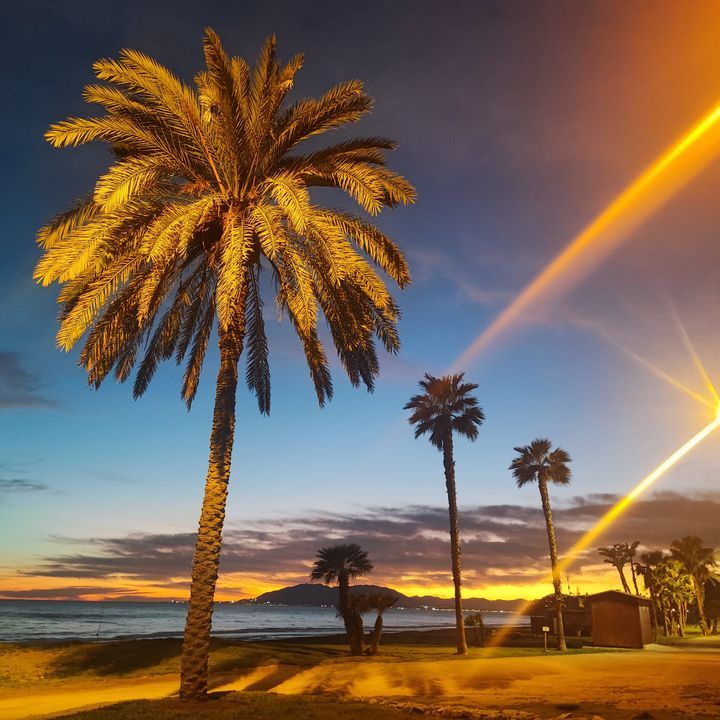
Rincón de la Victoria – More Than Just a Seaside Resort
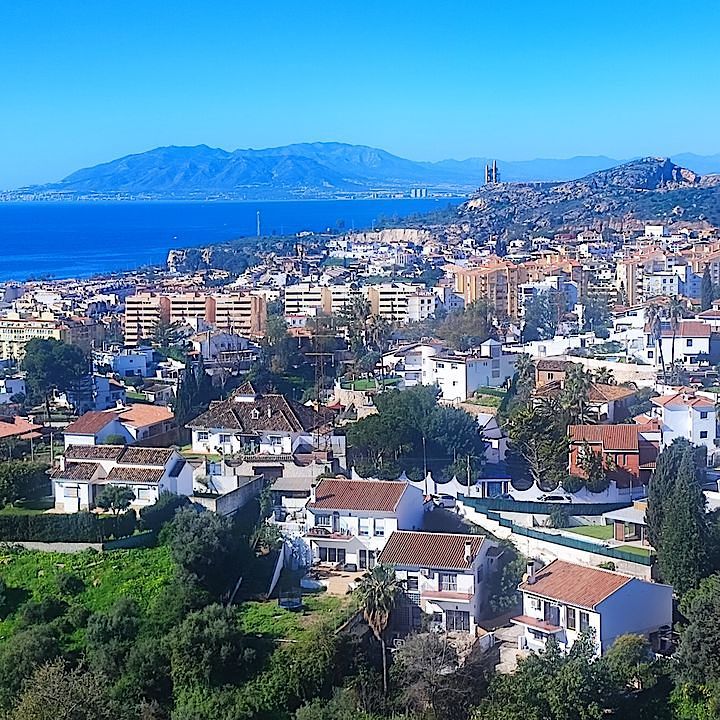
After Nerja and Frigiliana, Rincón de la Victoria was the final stop on my little Andalusian trip – and if I'm honest, I knew next to nothing about the place beforehand. What did I find? A relaxed small town of just over 50,000 inhabitants, a mere 12 km from Málaga, pleasantly unhurried and with more to offer than you might expect at first glance.
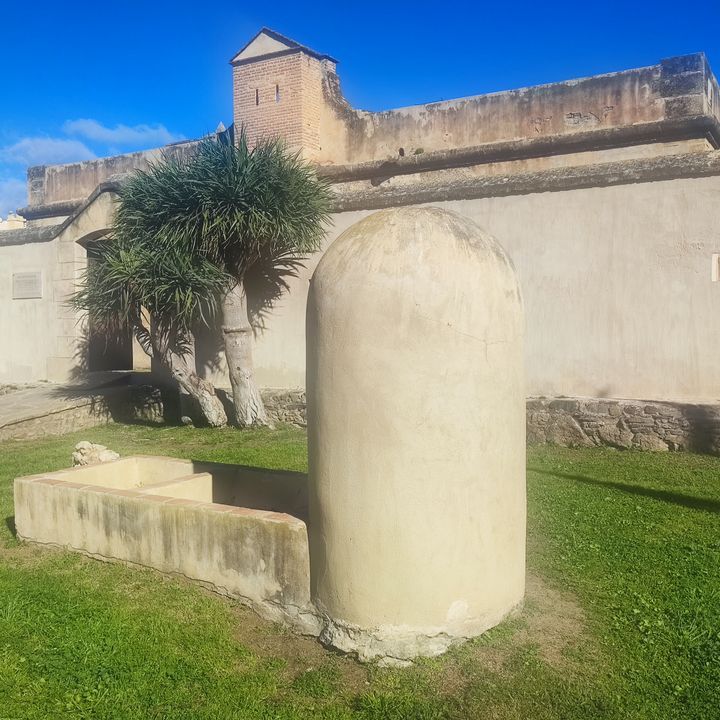
History in the Heart of Town
Rincón de la Victoria has a long history – Romans, Arabs, pirates. It sounds dramatic, and in a way, it rather is. The small fortress Casa Fuerte Bezmiliana was built in 1766 right in the town centre to fend off British and Dutch pirates. Today it houses an exhibition of contemporary art – admission is free, so there's no excuse to walk on by!

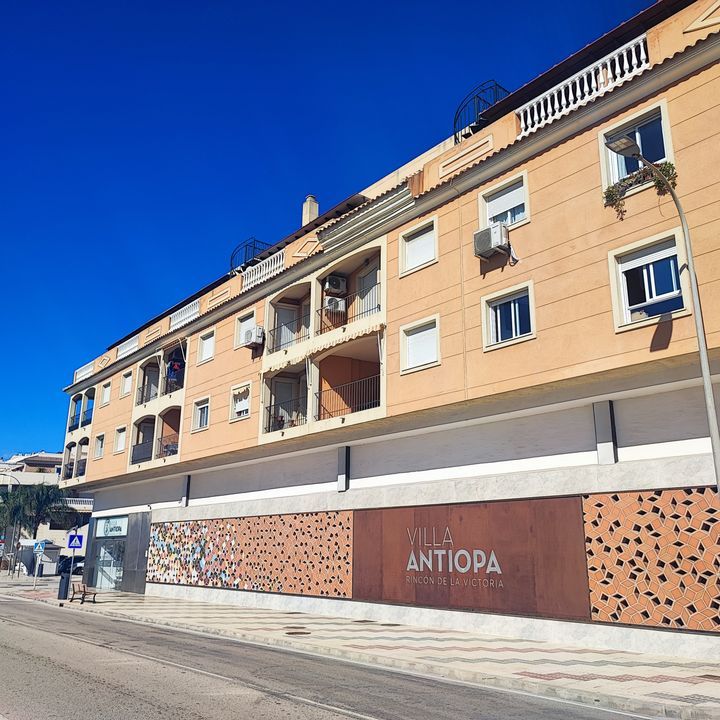
The Roman Villa Antiopa
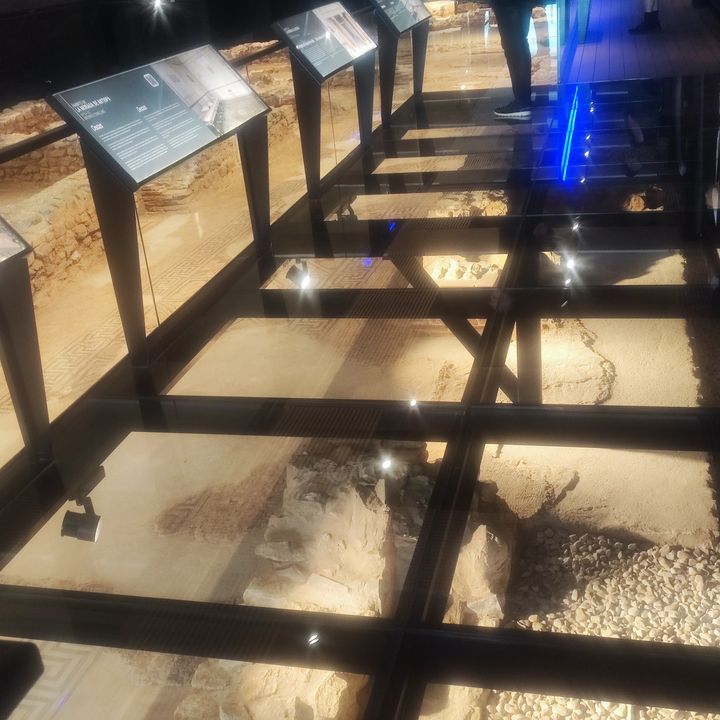
About a 15-minute walk from the centre lies one of the most fascinating concepts I encountered on this trip: the Villa Antiopa, one of the best-preserved Roman relics from the 3rd century AD, has simply been integrated into a modern residential building. Through a transparent floor, you stroll above impressive mosaics and ceramics – partly interactive, always striking. Right next door stretches the long sandy beach of Benagalbón with a promenade, from which I ambled back to the centre in a leisurely 20 minutes, with views of the Bay of Málaga the whole way. It's hard to imagine a lovelier walk.
Historic Tunnels Right by the Sea
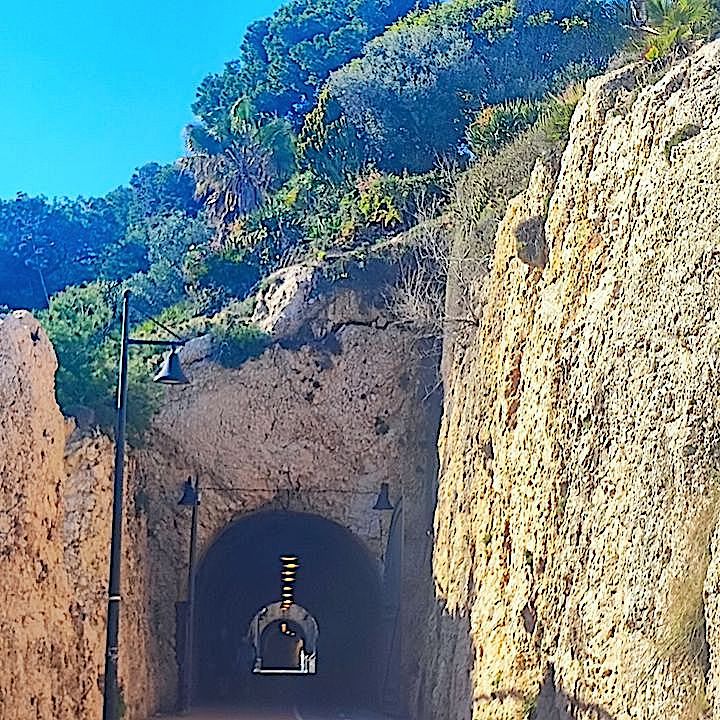
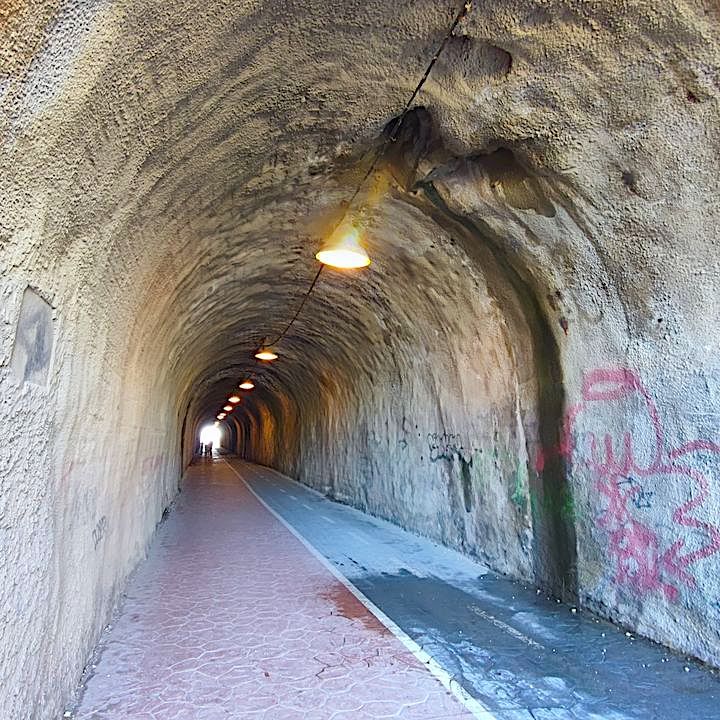
My personal highlight was a stroll along the seafront promenade to the five historic tunnels. Built in 1908, used as a shelter during the Spanish Civil War, and in operation as railway tunnels until 1968, today they make for a wonderfully eerie walk through the tunnel system all the way to the imposing cliffs at the water's edge. The Mirador Gaucín, high above the Mediterranean, is an absolute must for your Instagram feed. You won't regret it.
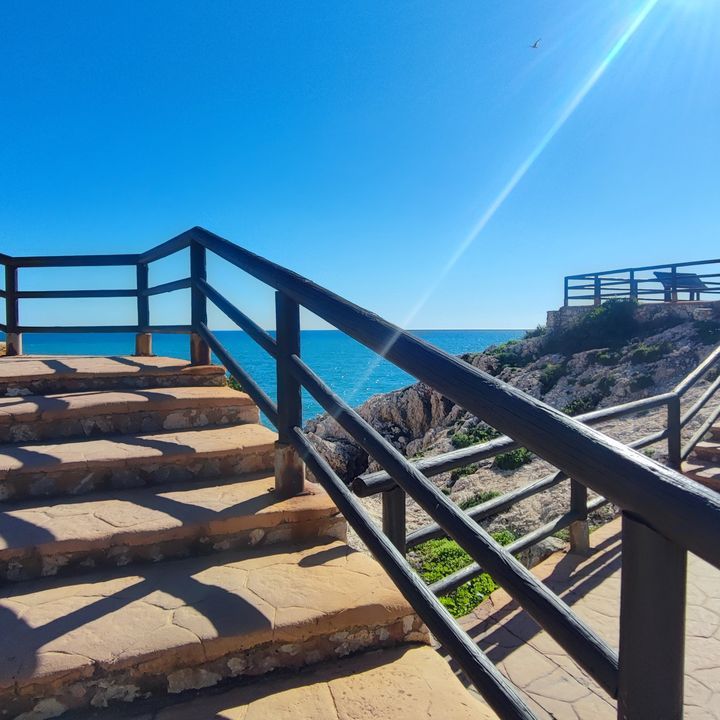
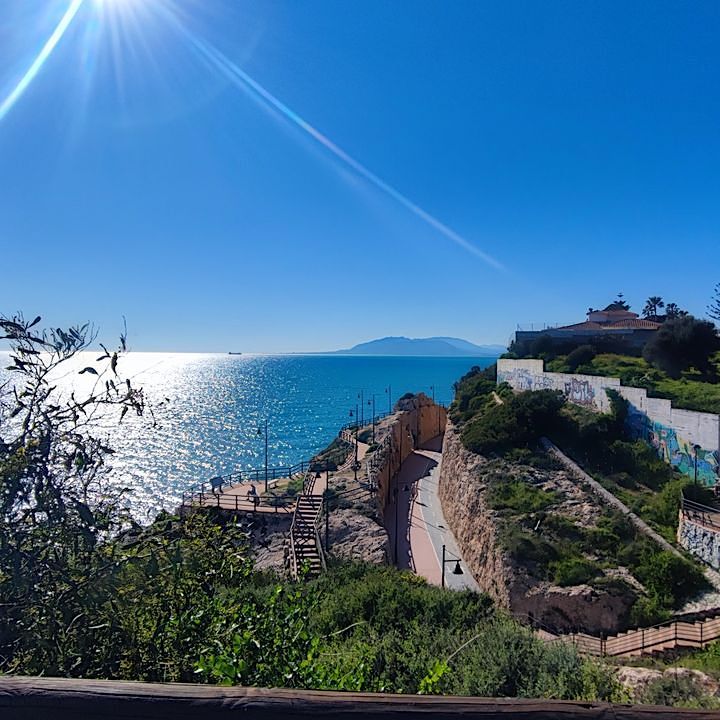
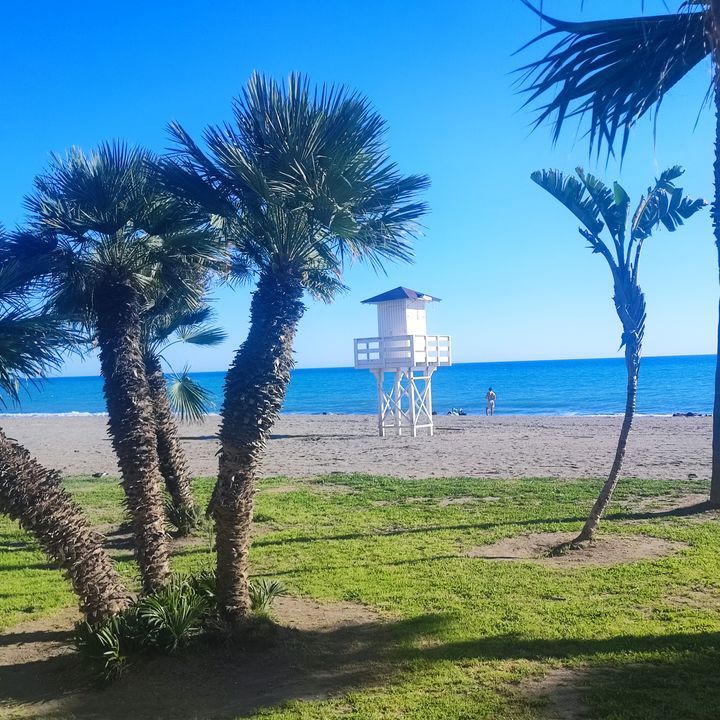
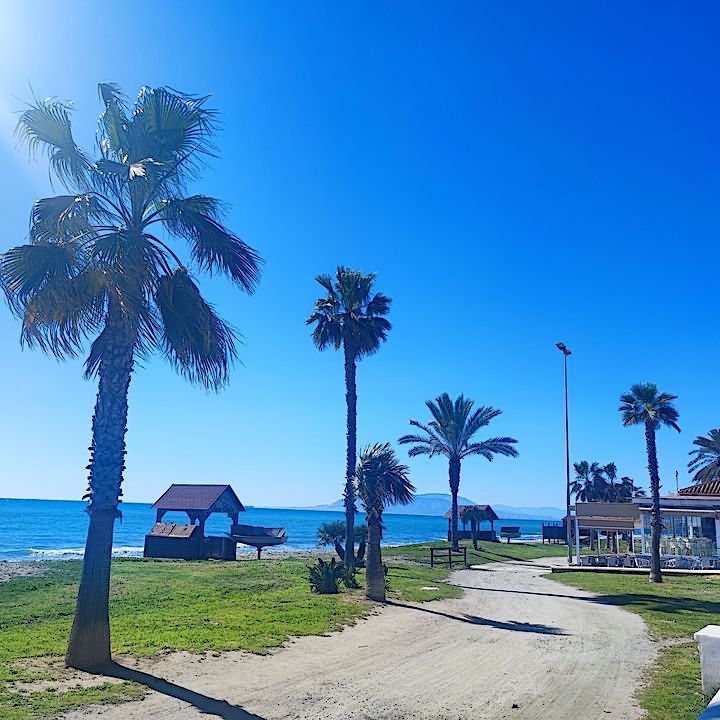
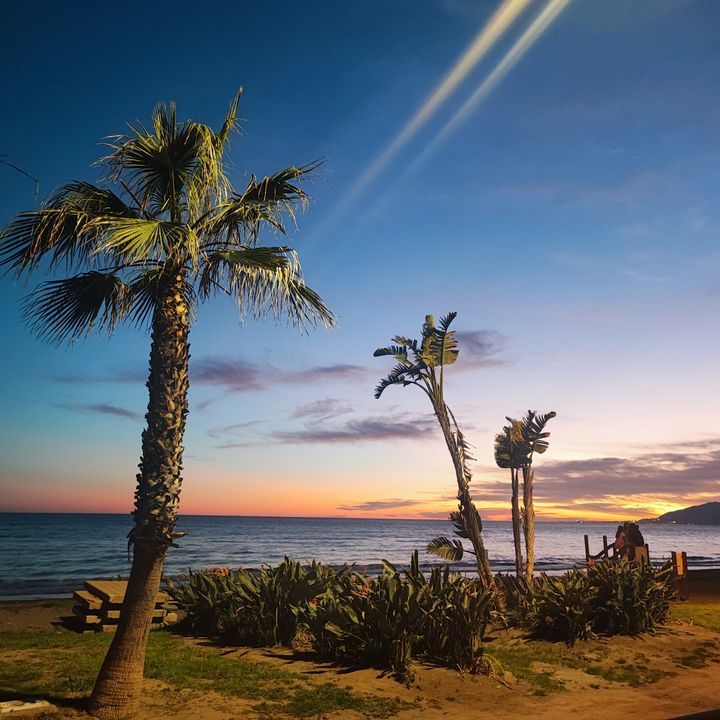
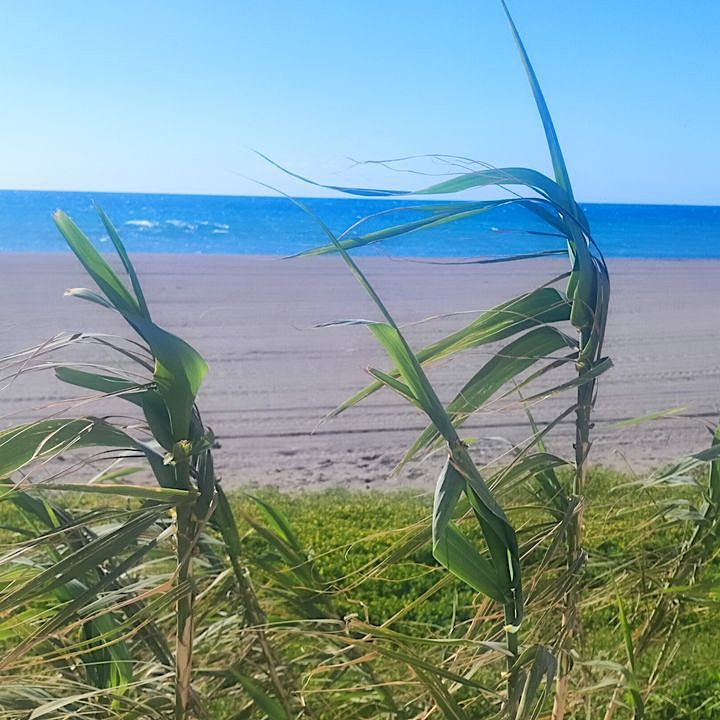
The seafront promenade itself is long and attractive, lined with restaurants and chiringuitos (beach bars). Tip: come at sunset – the Málaga skyline on the horizon is particularly photogenic at that time of day. And the beaches? Fine sand, noticeably quieter than the better-known spots along the Costa del Sol. A genuine bonus.
The Treasure Cave
The Cueva del Tesoro – the Treasure Cave – already sounds like an adventure, and that's precisely what it is. One of only three caves in the world that originated underwater, ocean currents once carved out these fascinating galleries before falling sea levels brought them to the surface, and geological shifts raised the cave to over a hundred metres above sea level. The result: bizarre rock formations, eroded grottos and passageways – and the legend of a hidden treasure from the 12th century, said to be slumbering somewhere within. No one has found it yet. Perhaps you'll be the first?
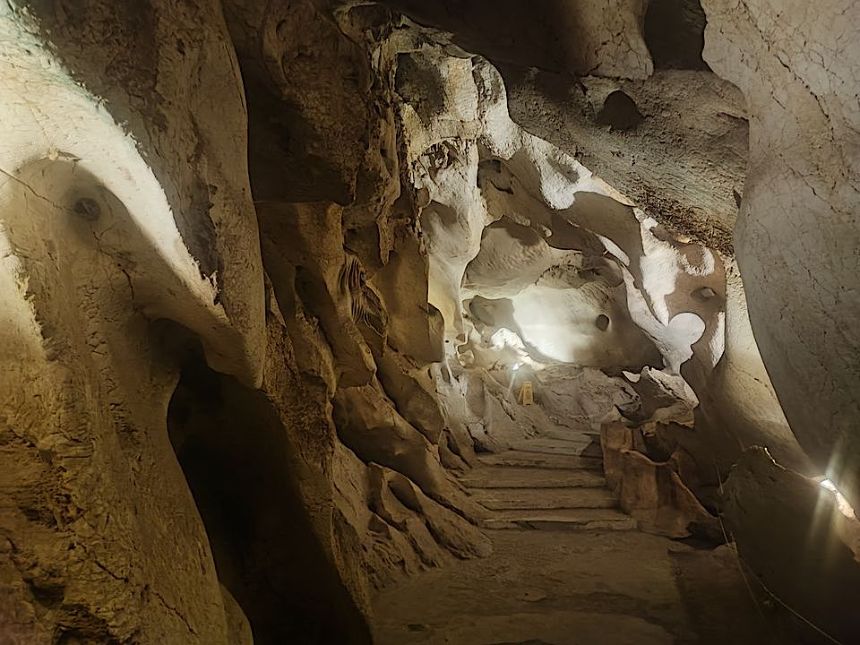
From the city centre it's about a 20-minute walk – though part of the route is quite steep. I was glad to have had the hire car. Right next door, incidentally, is the Archaeological Park (free admission) with splendid views over the town and the sea.
A Day Trip to Málaga
Málaga is, of course, a must – and easily reachable from Rincón by bus in around 30 minutes (€1.75 per journey, as of February 2026). I took the opportunity to meet a longstanding friend on the rooftop terrace of the Only You Hotel – between the old town and the famous Muelle 10, at 20 degrees in February, with drinks and a view across the city. Utterly lovely!

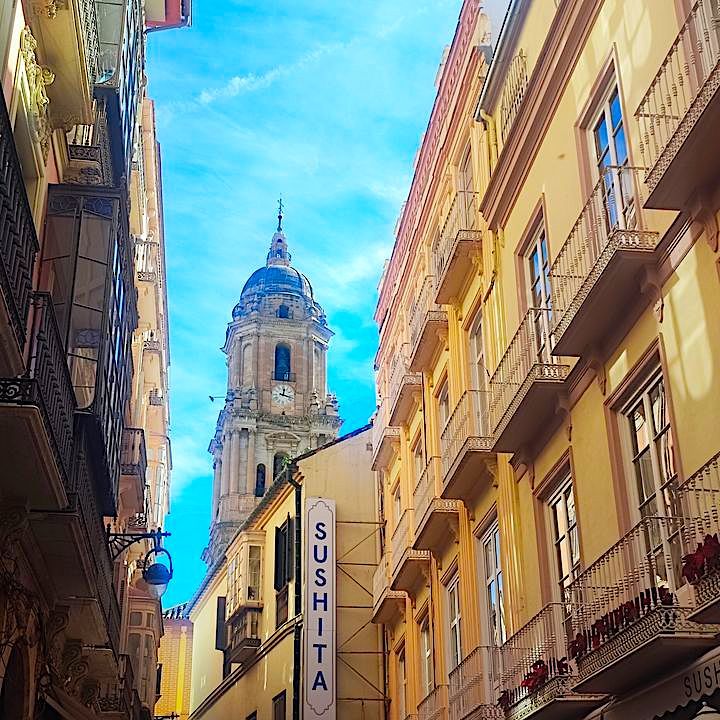

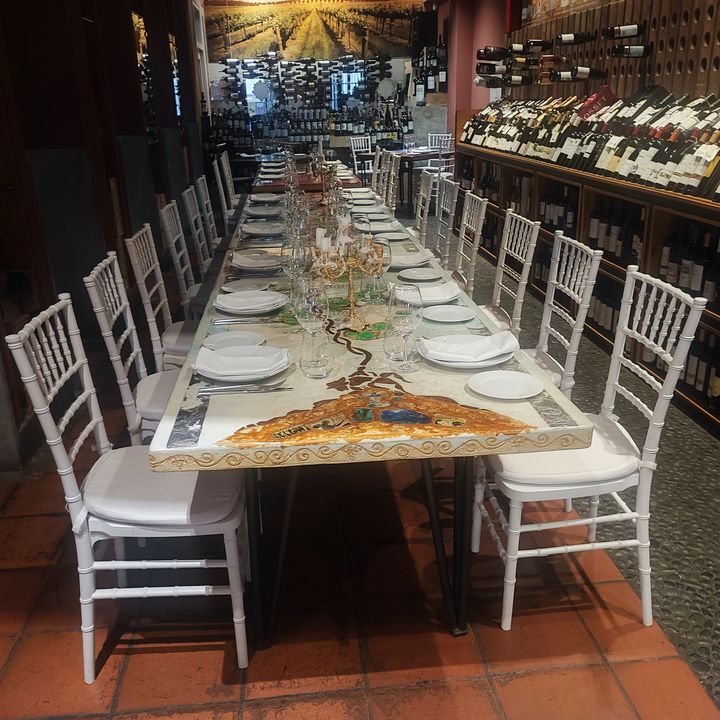
On my wander through the old town, I discovered the Patios de Beatas – just 50 metres from the Picasso Museum. Two buildings from the 18th and 19th centuries, painstakingly restored, now a wonderful combination of wine bar and museum spread across more than 800 square metres on two floors. Well worth a visit. You'll find more tips on Málaga in my 2024 travel piece.
Getting There and Practical Information
There are numerous direct flights from European hubs to Málaga. Traveling from Madrid or another Spanish city? The high-speed AVE train is a comfortable option. If you're not hiring a car, the bus from the airport to Rincón de la Victoria is the simplest choice. Alternatively, you can of course book a private transfer:
Where to Stay in Rincón de la Victoria
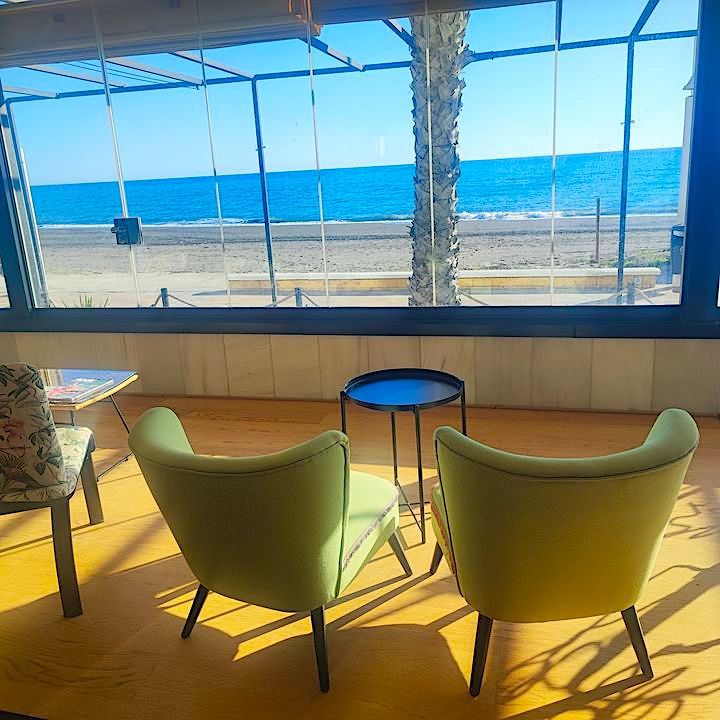
The choice of hotels is modest – but that needn't be a drawback. I spent a few nights at the small mid-range Fay Hotel, right on the seafront promenade. A superb location by the sea, a lobby with interesting artwork, and very reasonable prices in the off-season – what more could you ask for? Your best bet is to check the usual booking platforms, such as booking.com, for suitable accommodation.
Eating and Drinking in Rincón de la Victoria
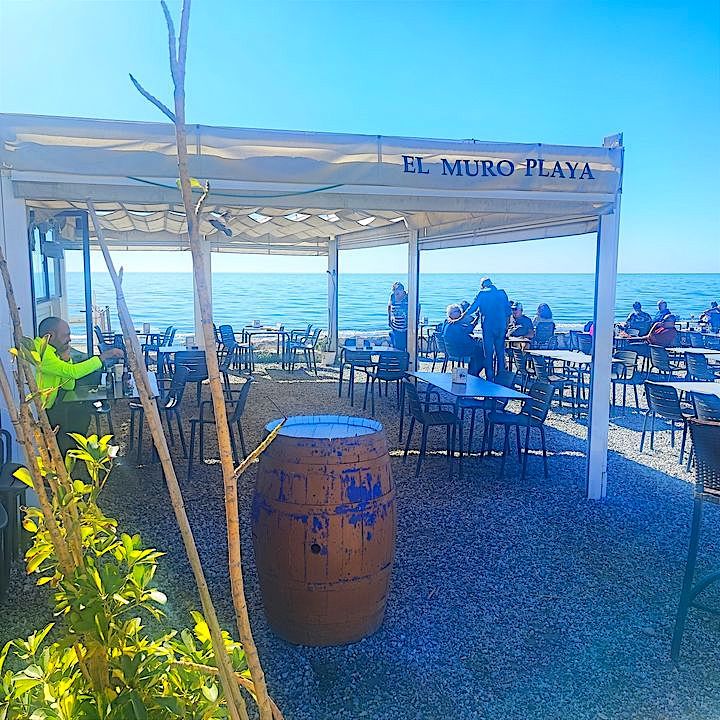
Spanish and Italian restaurants line the seafront promenade. Make sure to try the little fried anchovies, "espeto de sardinas" – traditional and absolutely delicious. My favourite was El Muro at the far end of the promenade, where there's live music in the evenings. For a smarter atmosphere, head to Mulse, just before the tunnels. And if you fancy sinfully good crêpes and cocktails on a lovely sea-view terrace, La Chiringa Café is the place to go. Vegetarians may need to be a little persistent – but a friendly special request usually does the trick.
Weather in Rincón de la Victoria
I very much enjoyed the spring-like temperatures (with cool evenings) in February. The heat of summer would be a bit much for me, but in spring and autumn, the climate is particularly pleasant for outdoor activities and exploration. "The light in Rincón de la Victoria is unique. It feels like summer here all year round," enthuses María Piédrola Soriano from Turismo Costa del Sol.
My Summary
Hand on heart: Rincón de la Victoria isn't a place people tend to talk about much – and that's precisely what makes it so appealing. No tourist hordes, no inflated prices, but instead tunnel walks by the sea, a genuine treasure cave, endless beaches, and sunsets with the Málaga skyline on the horizon. So: pack your bags, hop on a bus from Málaga – and see for yourself!
The towns and cities of Andalusia are also well worth a visit! Do have a look at my articles on Cádiz, Granada, Málaga, and Seville.

*My trip was supported by Turismo Costa del Sol. This has not influenced my opinions in any way.