Frigiliana: Andalusia's most beautiful white village – my tips for your visit
White alleyways, sea views, and a ghost village – why Frigiliana deserves more than just a day trip
*Promotion*
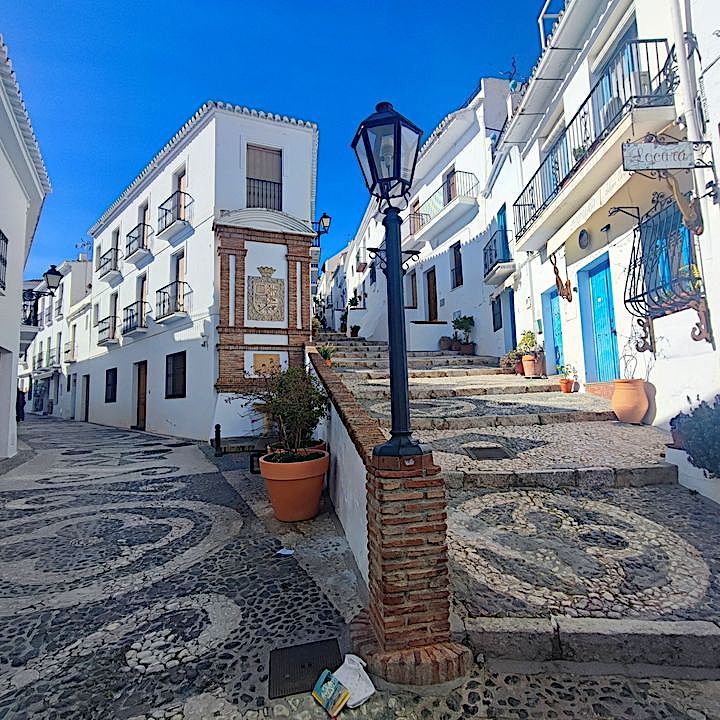
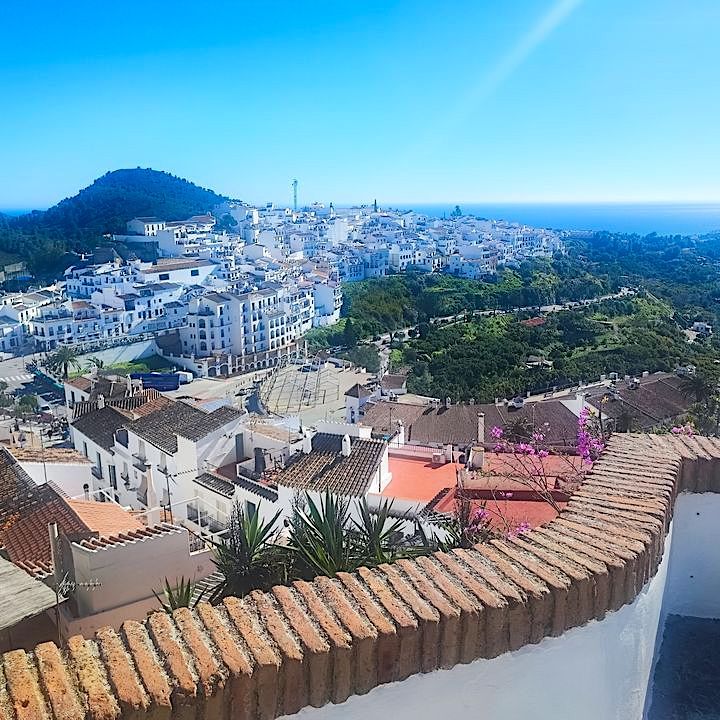
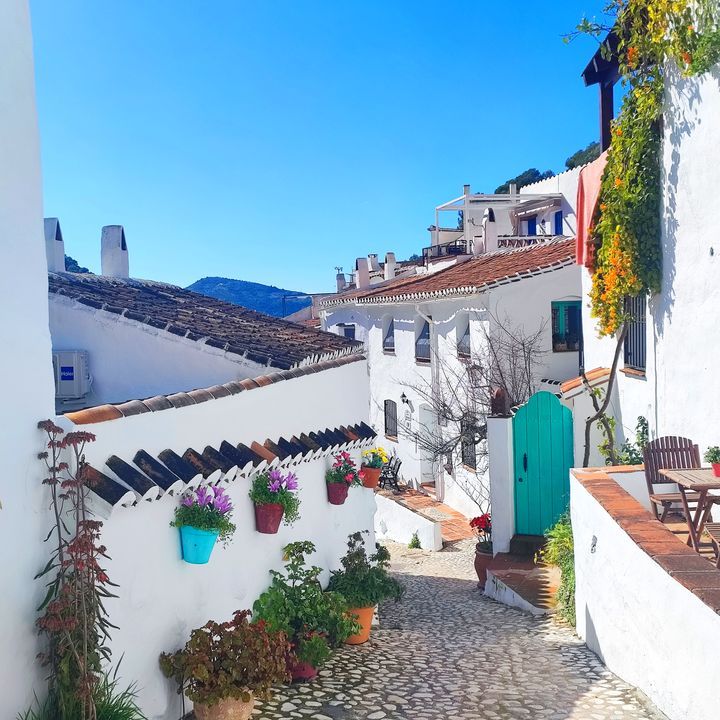
Imagine snow-white houses nestled on a mountainside, flower-filled streets, silence – and then, between two houses, a view of the sparkling Mediterranean Sea. This is exactly what awaits you in Frigiliana, a small mountain village in the province of Málaga that has been named the most beautiful village in Andalusia several times.
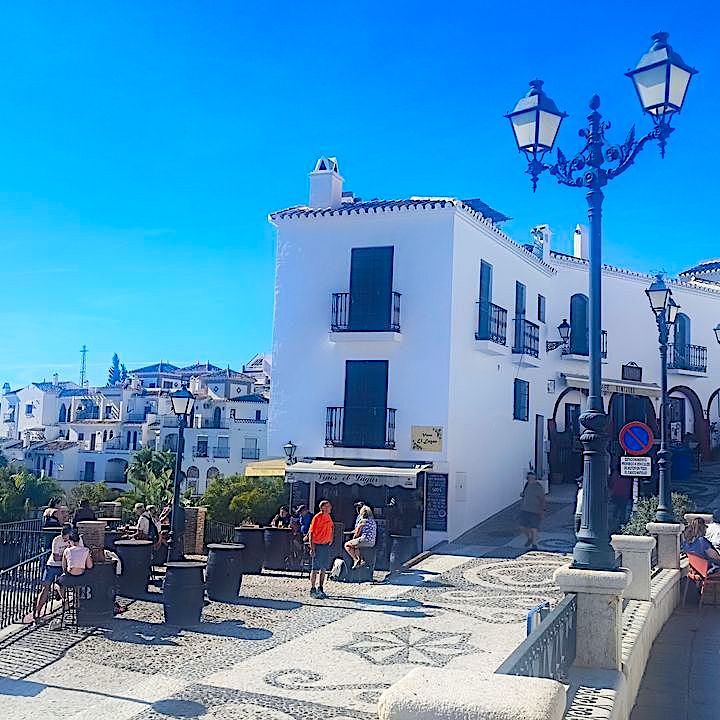
After four wonderful days in Nerja, I travelled on to Frigiliana, just 20 minutes away by rental car – and it was a good decision to take more than a day to do so. Here, I report on what you can expect and why you should stay longer than most day-trippers.
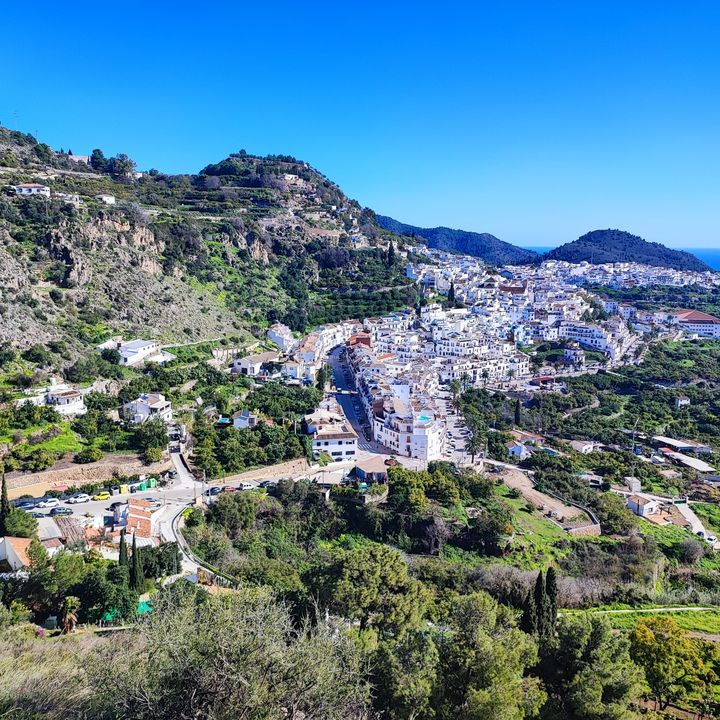
What to expect in Frigiliana
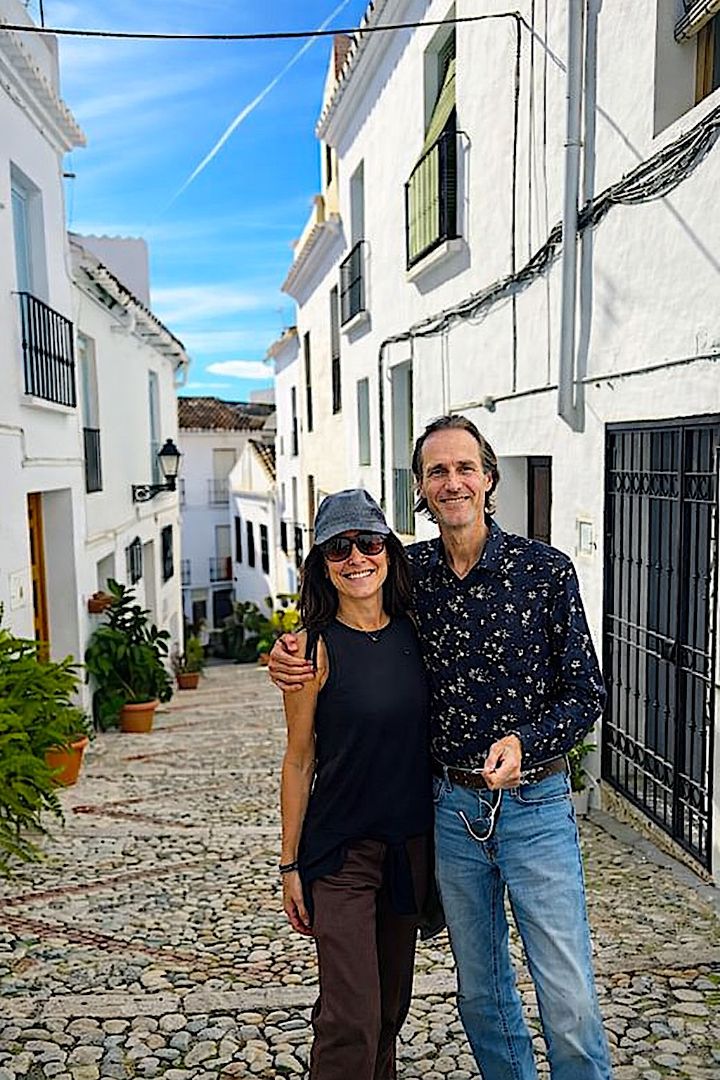
Frigiliana is located at an altitude of around 320 metres in the foothills of the Sierra Almijara, and it is precisely this location that gives it its special charm. The village is divided into two parts: the Moorish-influenced old town (Barrio Mudéjar) and the newer part of town. Since 1971, a local law has stipulated that all houses must remain white, ensuring that the village retains its uniform, picturesque charm to this day.
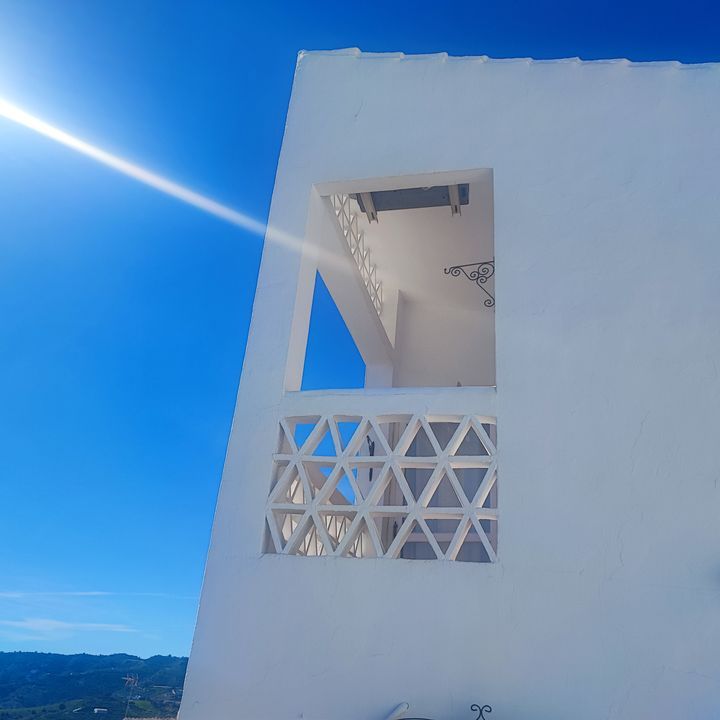
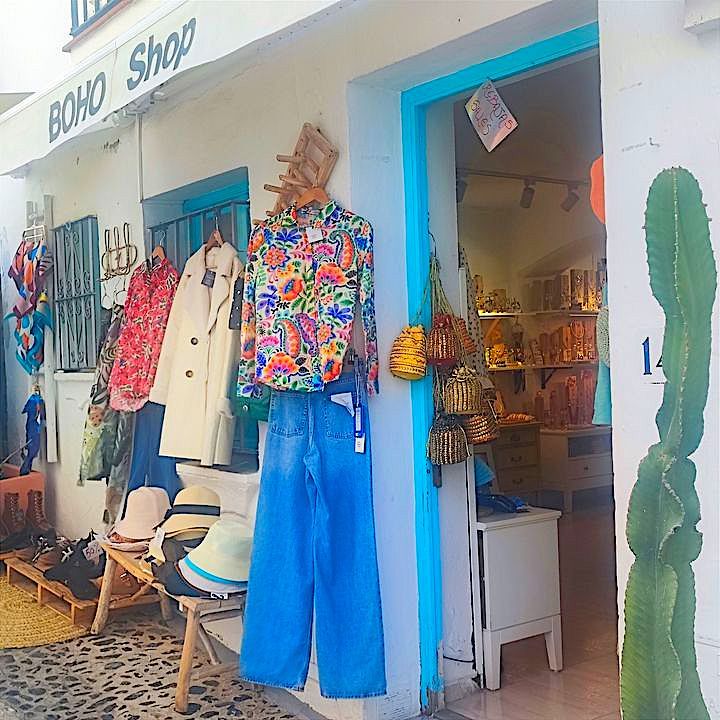
The old town is largely car-free, making strolling through its labyrinth of narrow, cobbled streets a real pleasure. There are pretty boutiques on the main street, Calle Real – I had to fight the urge to buy another summer shirt. It's definitely worth exploring the side streets and making the climb up to the El Mirador restaurant. Be prepared for a good leg workout – the view is the reward.
El Ingenio – Europe's only molasses factory
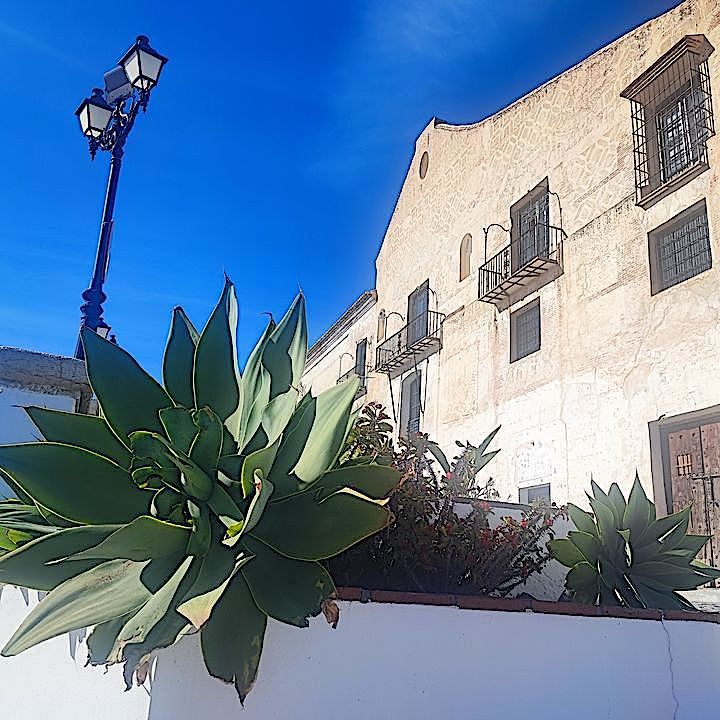
El Ingenio, the 16th-century Pálacio de los Condes, towers between the old and new towns. It cannot be overlooked – and is rarely open to the public - as the home of Europe's only molasses factory, it opens its doors on one day a year, ("Dia de miel" - day of honey) usually at the end of April or beginning of May. But in the small bar next door, you can treat yourself to a refreshment and try the vegan sugar cane honey. Really good!
Sugar cane honey, considered healthy, is used to make, among other things, the so-called "arropias", a sweet made from natural ingredients that is very typical of Frigiliana.
Plaza de las Tres Culturas – the heart of the village
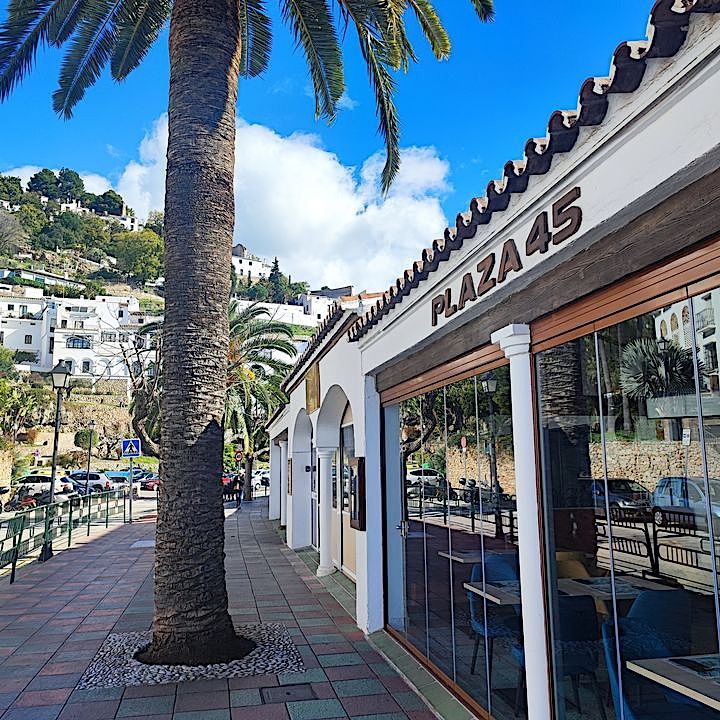
Just a stone's throw from El Ingenio is the Plaza de las Tres Culturas – its name reflects the Jewish, Christian, and Muslim heritage of the place.
All the cafés and restaurants here have terraces, and the view of the Mediterranean Sea is simply breathtaking. I have enjoyed a "café solo" there several times at the Albi Urban Café – Albi also serves breakfast and small dishes during the day. Also at the plaza: the start of several hiking trails, the tourist train, and tuk-tuks for those who want to explore the village more comfortably.

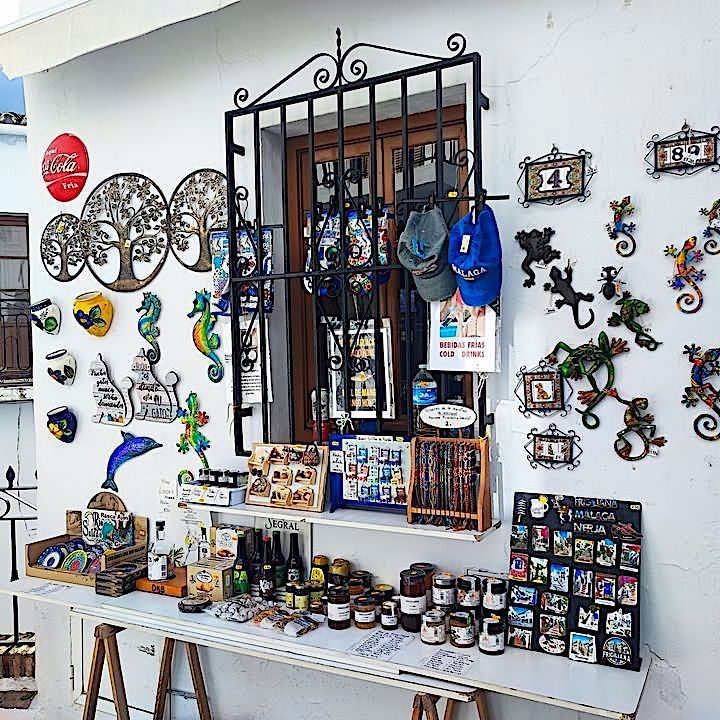
Tip: Below the plaza, you will find a very interesting craft shop – and the view of the valley from there is also worth a quick stop.
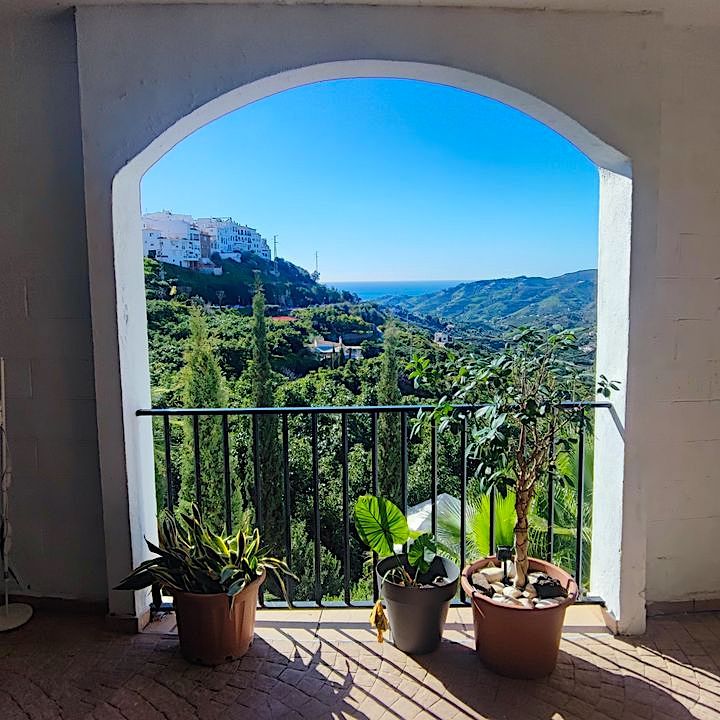
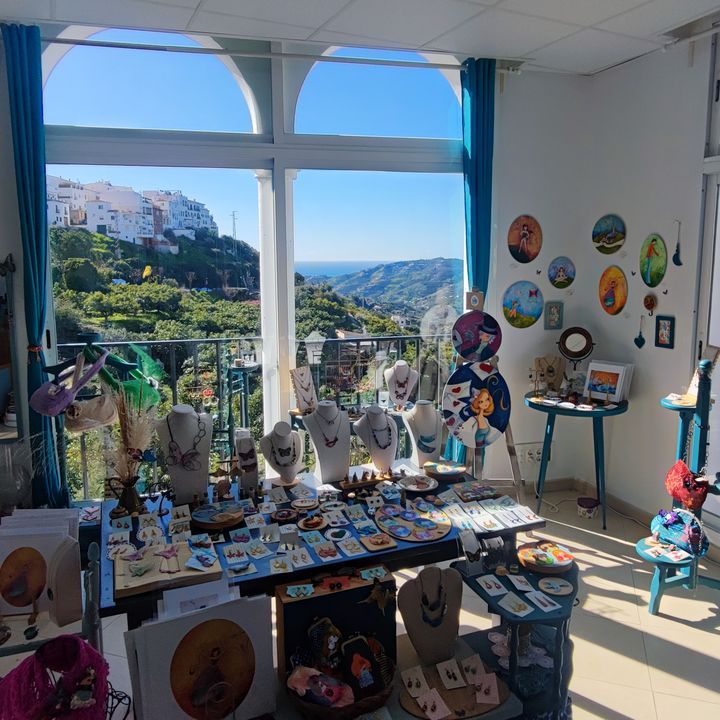
For a memorable stroll, start at the Plaza de las Tres Culturas and wander up through the Barrio Mudéjar, following the ceramic story tiles that tell the town's history. Don’t hesitate to explore tiny side alleys—some hide colorful doors, art, or secluded gardens. If you want to delve a little deeper into history, there is an old fountain dating from 1640 in Calle Chorruelo, and high above the village are the remains of the Moorish castle of Lizar, probably from the 9th or 11th century.

By the way, on Thursdays there is a small weekly market with local products on the plaza from 8 a.m. to 2 p.m. – well worth a visit!
Excursion to the "ghost village" of El Acebuchal
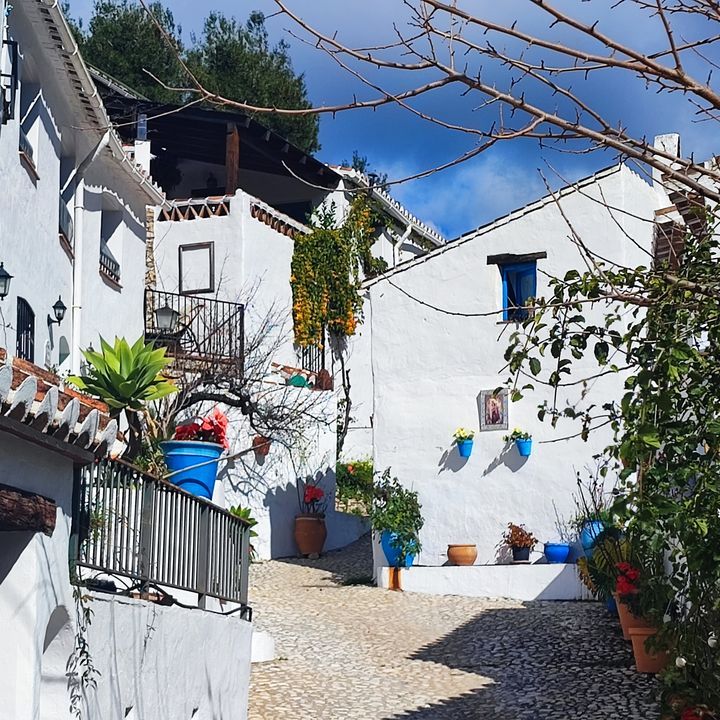
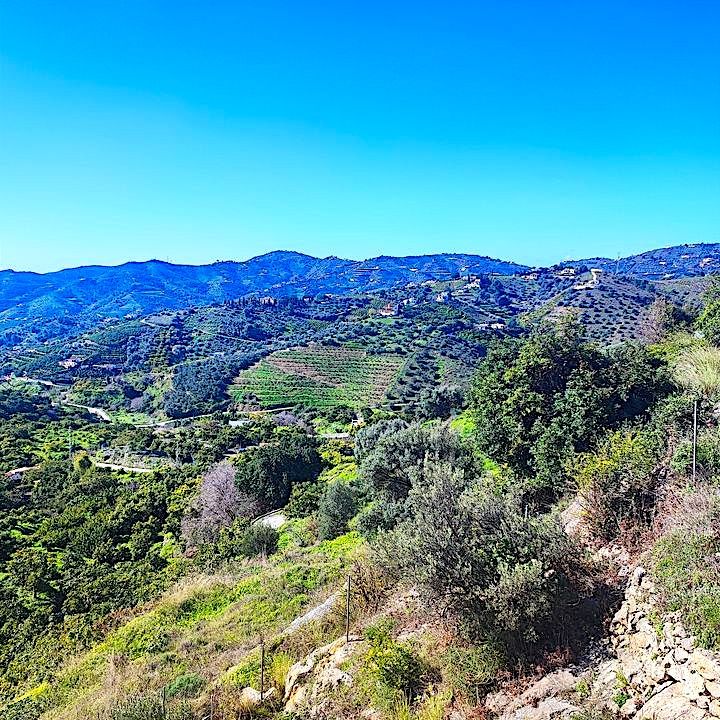
If you are setting off from Frigiliana, you should definitely plan a detour to El Acebuchal. This tiny village with around 30 houses is located above Frigiliana and can be reached by car in about 15 minutes – a miniature version of the village, nestled in a beautiful mountain landscape.

I arrived there early on a Saturday – luckily, because the only restaurant in the village filled up quickly. Mostly Spaniards who meet here in winter for a hearty lunch. I ordered "patatas a lo pobre": a traditional dish made with potatoes, onions, and peppers, originally a poor man's meal (the name literally means "potatoes of the poor"). I still wonder why I have never eaten this dish before – it's delicious...! Why have I never eaten this dish before? It comes with delicious, homemade olive bread to dip in oil. Even vegetarians will be very happy here.
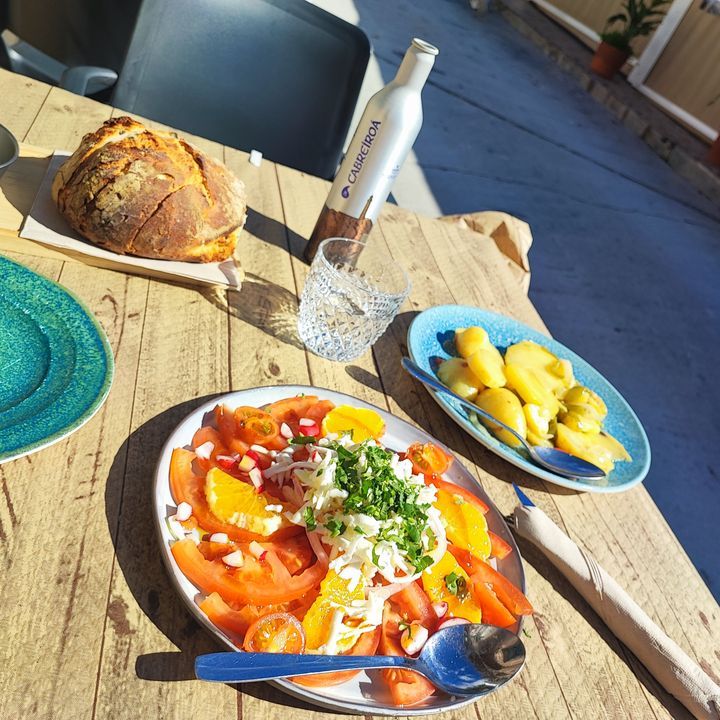
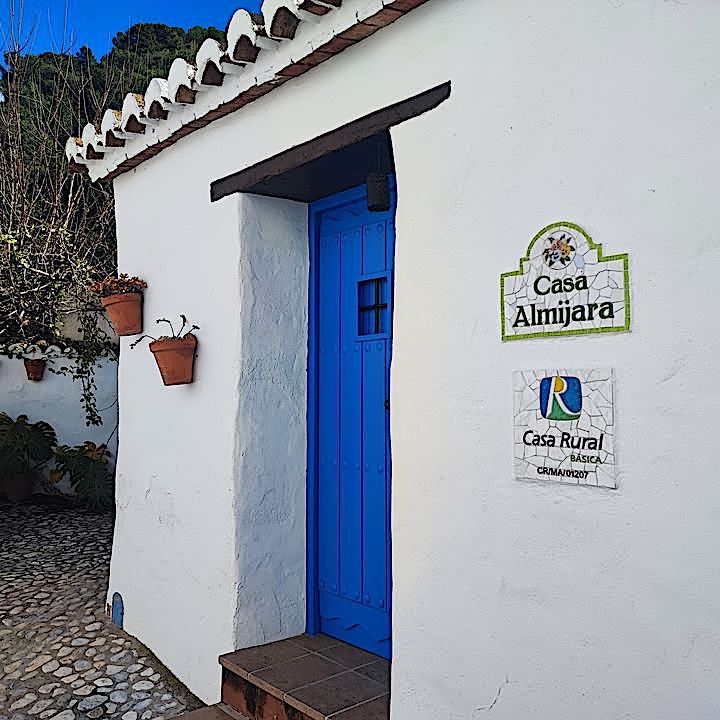
When I asked a waiter if the restaurant was also open in the evening, I got the following answer with a wink: "No, we close at 4 p.m. That's enough." Incidentally, the owners also rent out pretty little apartments – ideal for anyone who wants to spend a few days in absolute peace and quiet. There are no shops.
The eventful history of the ghost village
El Acebuchal has an eventful past: in the 1940s, the village became a refuge for anti-Franco resistance groups. The Guardia Civil cleared the village – and it remained abandoned for decades, without water or electricity. This is where its nickname "ghost village" comes from. It was not until 1998 that El Acebuchal was revived by Antonio García, the restaurant's owner, among others; families from Frigilia, whose roots were here, returned.

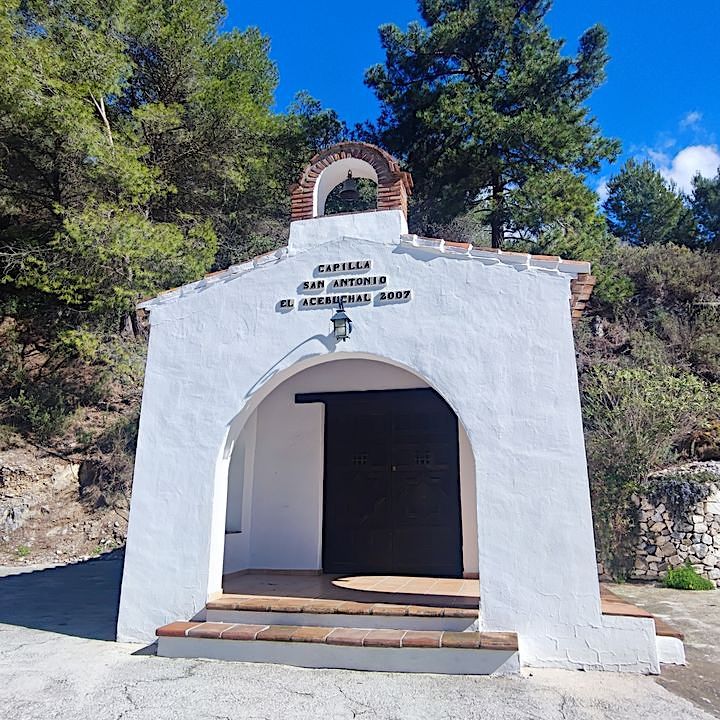
After lunch, I explored the village on foot, passed the small chapel of San Antonio, and then turned onto a lonely hiking trail into the mountains. What silence. What clear air. The world "out there" was far away.
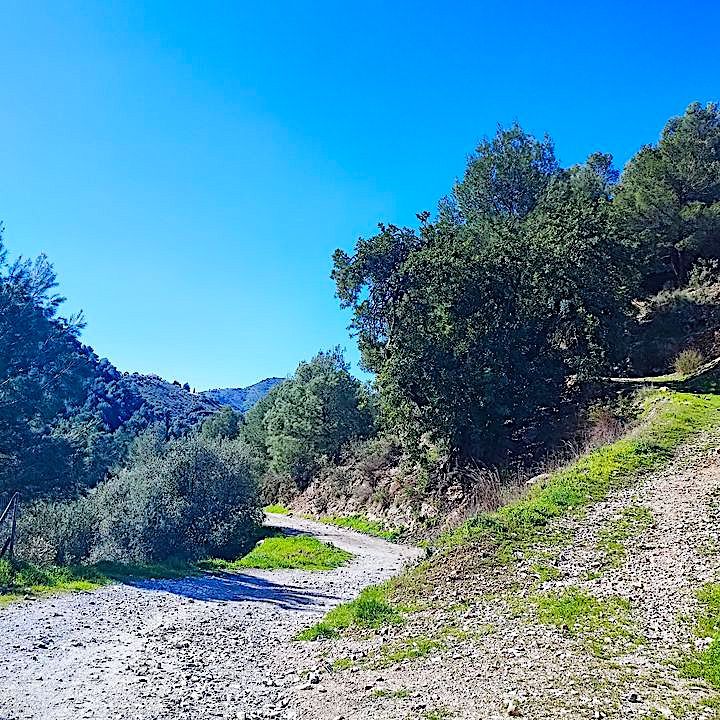
The return journey was somewhat adventurous: after the previous days of rain, the narrow road was littered with puddles and potholes, and I had to dodge oncoming cars while trying not to look down into the abyss. But I arrived safely in Frigiliana – and treated myself to coffee and cake at the Albi Café as a reward.
Practical tips for your visit
Best time to visit
Frigiliana is worth visiting year-round – its mild microclimate ensures an average temperature of around 18°C. March to June and September to November are particularly recommended: pleasantly warm, manageable visitor numbers, fantastic light for photos. I was there in February and only had one rainy afternoon – otherwise it was sunny and up to 20°C.

Getting there and parking
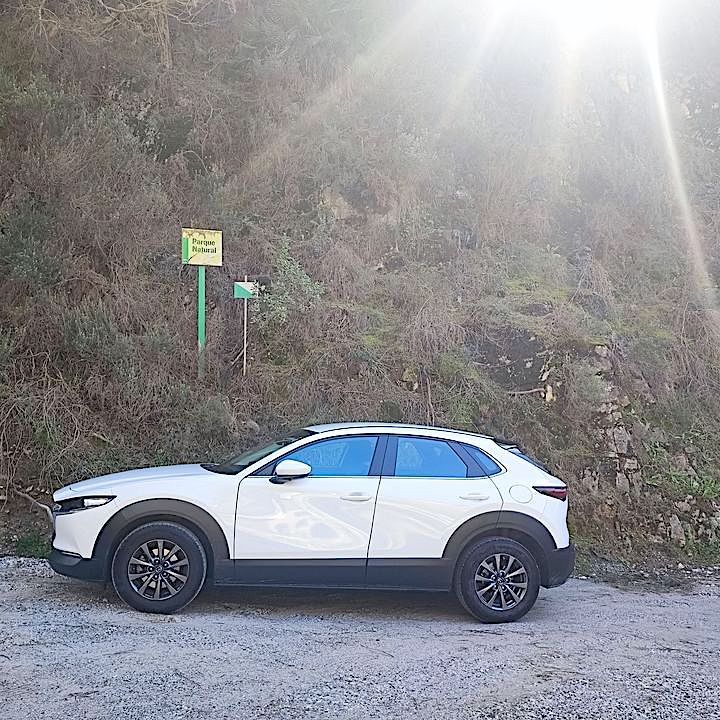
The nearest airport is Málaga, about 40 minutes by car. Take the A-7 coastal motorway to Nerja, then drive about 4 kilometres uphill to the village. The most convenient option is to hire a car, but choose a compact model as the roads are narrow.
If you don't have a car: There is a bus service between Nerja and Frigiliana (daily except Sundays).
The village itself is car-free. The best option is the car park at Plaza de las Tres Culturas: €1.50 per hour, with a daily maximum of €10 (as of February 2026). Alternatively, there is free parking along the main road below the old town centre – it's worth arriving early!
Accessibility: The old town’s cobbled streets and steep inclines can be challenging for visitors with limited mobility. If needed, consider using the village tuk-tuks or tourist train for easier access to key sights.
How much time should you allow?
Four to six hours is enough for a relaxed day trip, including a meal. If you also want to explore the surrounding area – for example, El Acebuchal – you should allow two to three days.
Outdoor activities: Frigiliana is a gateway to several excellent hiking trails, such as the route to the Rio Higuerón or the ascent to the ruins of Castillo de Lizar. Remember to bring sturdy shoes, water, and sun protection, especially in warmer months.
Accommodation
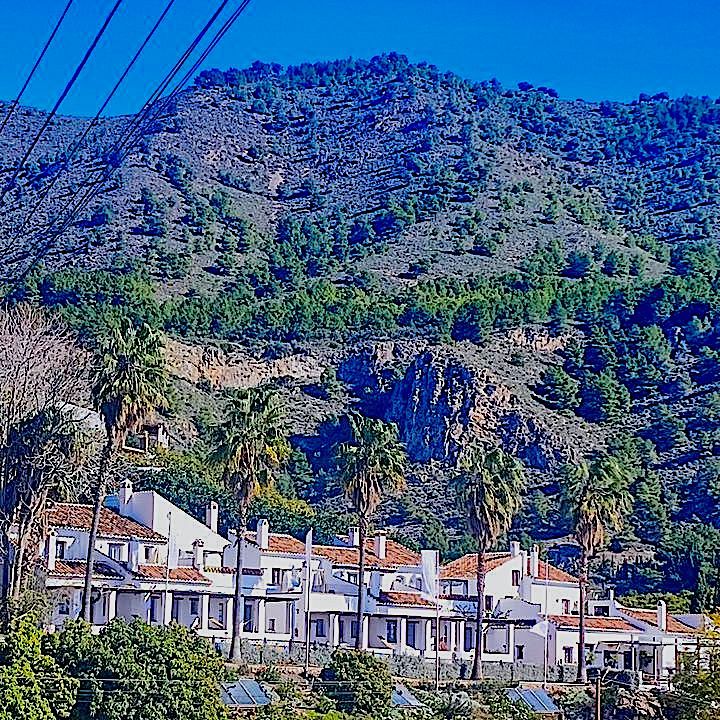
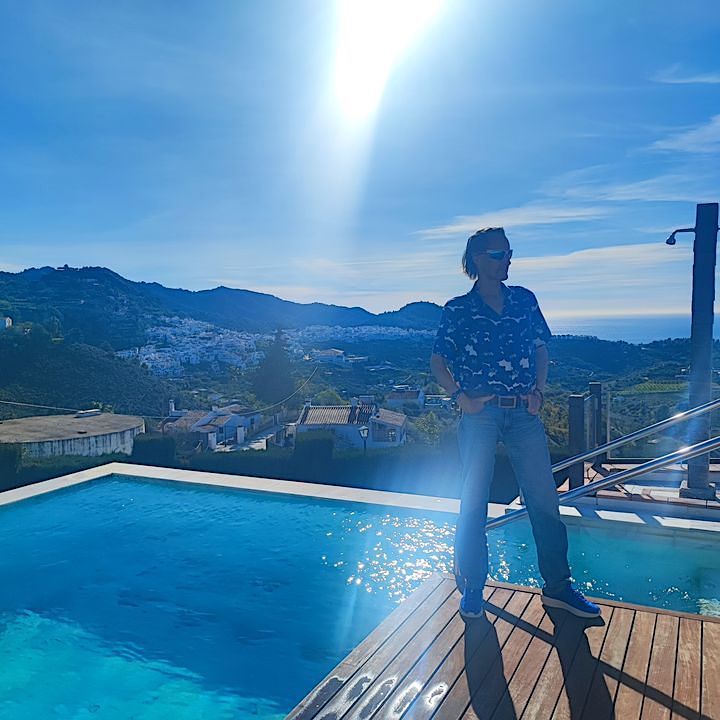
I spent three nights at the charming Posada Morisca country hotel just outside the village – I will devote a separate article to this pretty gem amid breathtaking scenery. Those who prefer to stay directly in the village will find apartments and guesthouses; however, please note that most are not accessible by car, and you will have to carry your luggage a short distance. A more comfortable option is the mid-range Villa Frigiliana hotel, centrally located on the main street.
Food & drink
I have already mentioned a few restaurants. Almost all of them have terraces with great views – and were well frequented even in February. A little insider tip: La Parada del Zacatin is located in a quiet side street. I ate one of the best tortillas of my trip on the roof terrace there.
The Garden Restaurant, high above the old town and considered one of the best in town, was unfortunately still closed in February. There is a good selection on Plaza de las Tres Culturas, and Albi Urban Café was my first choice for my daily coffee.

Events worth attending
• Festival de las Tres Culturas (August): The biggest festival of the year – music, dance, theatre, and a market with over 150 stalls celebrating the Christian, Islamic, and Jewish heritage of the town.
• Ruta del Arte (early October): Around 50 artists open their studios and present their works in the alleys of the old town.
My Conclusion
Frigiliana is no longer an insider tip – but it is still a place that stays with you. If you are travelling in the province of Málaga, you should definitely plan to spend at least half a day here. It is best to go early in the morning when the streets are still empty, the light is golden, and you feel like you have the whole village to yourself. It's worth staying longer to explore the surrounding area and places like Competa.

For more adventure, consider a day trip to the Sierras de Tejeda, Almijara y Alhama Natural Park for breathtaking scenery, or visit other nearby white villages such as Torrox and Canillas de Aceituno.
Have you visited Frigiliana yet? Feel free to write me a comment about what your personal highlight was!
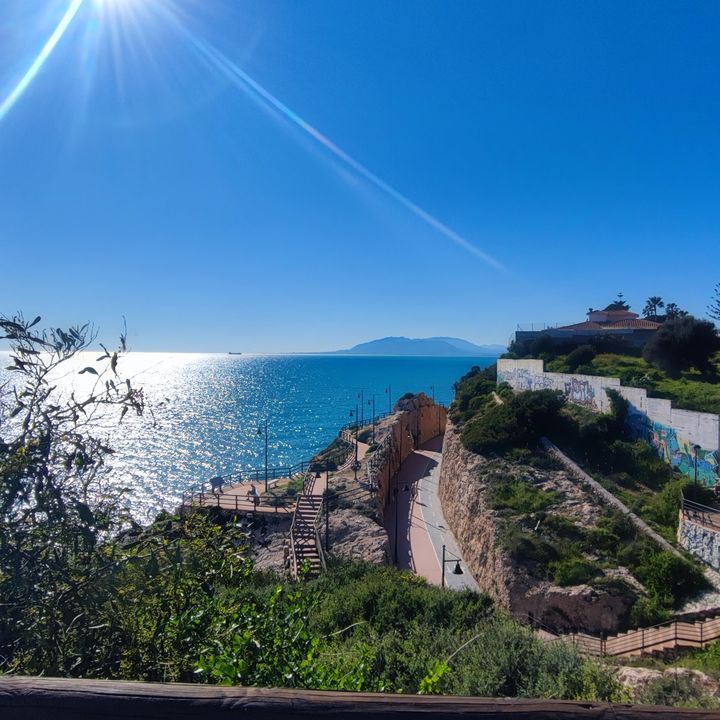
After Frigiliana, my journey through the Axarquia on the eastern Costa del Sol continued to Rincón de la Victoria. I will be reporting on this Málaga suburb soon.
Are you interested in the most beautiful cities in Andalusia? Then take a look at my reports on Cádiz, Granada, Málaga, and Seville.
*My trip was supported by Turismo Costa del Sol. However, this has not influenced my reviews in any way.*