Nerja in February: My Carnival Escape to the Costa del Sol
Nerja rewards visitors who come off-season. Andalusian charm, dramatic clifftop views, world-class caves, and temperatures nudging 22°C in February — a perfect antidote to Carnival chaos in Düsseldorf
*Promotion*
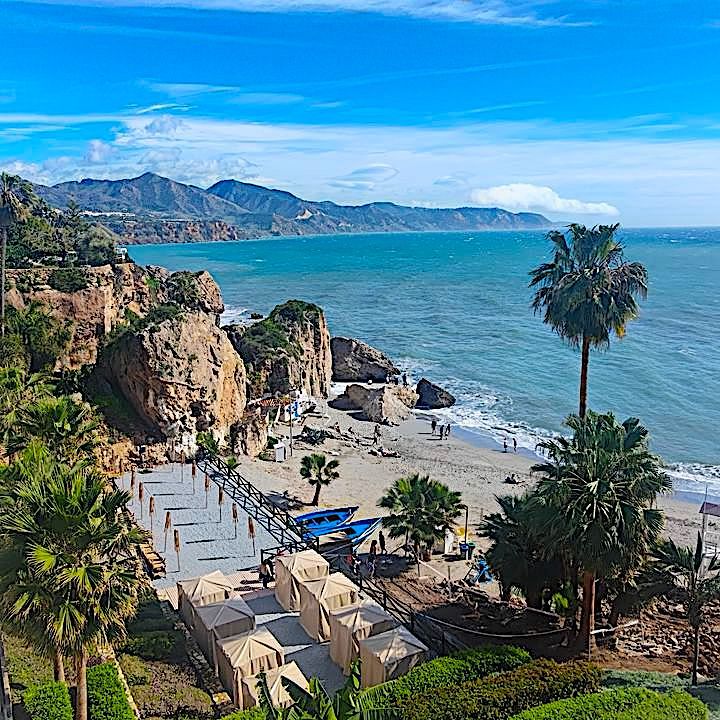
A Carnival Escape to the Sun
Every year, while the rest of Düsseldorf puts on a costume and dives headfirst into Carnival, I do the opposite: I pack a light bag and head south. A little sun, a few days by the sea, a glass of wine without a plastic horn in my ear. The Costa del Sol is the perfect escape — even, as it turns out, when Carnival is being celebrated there too.
Less than three hours after take-off from Düsseldorf, I land in Málaga, pick up a hire car, and fifty minutes later, I am pulling into Nerja. That first moment — stepping out of the car into warm, slightly gusty air with a hint of sea salt — is worth every Euro of the flight.
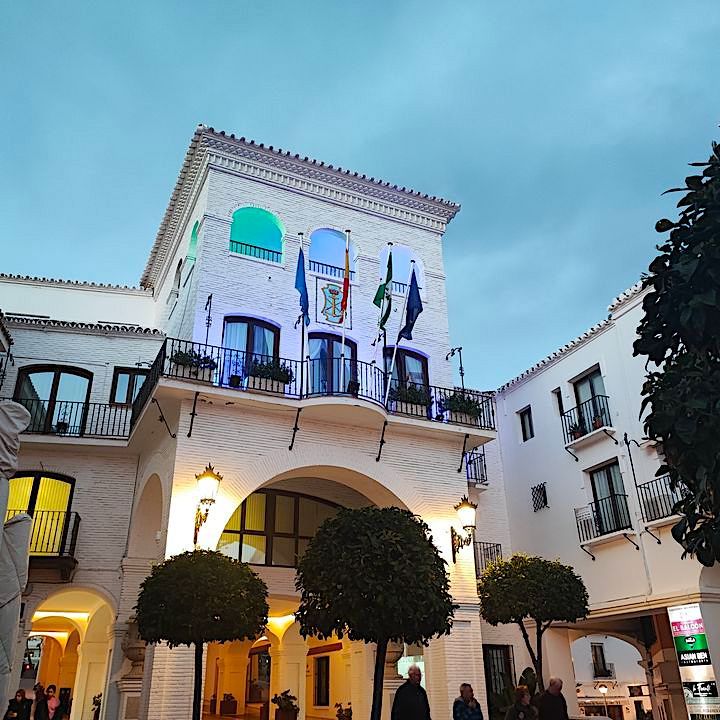
Balcón de Europa & the Old Town
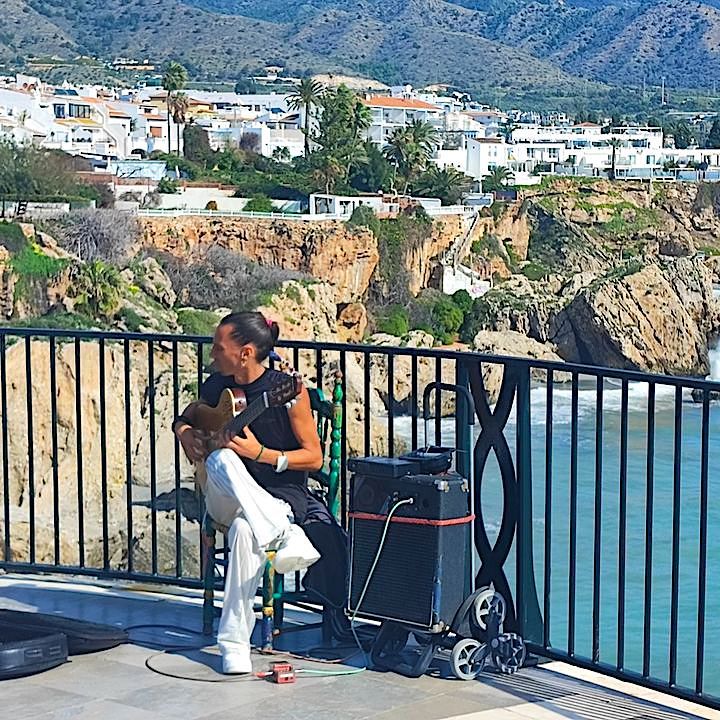
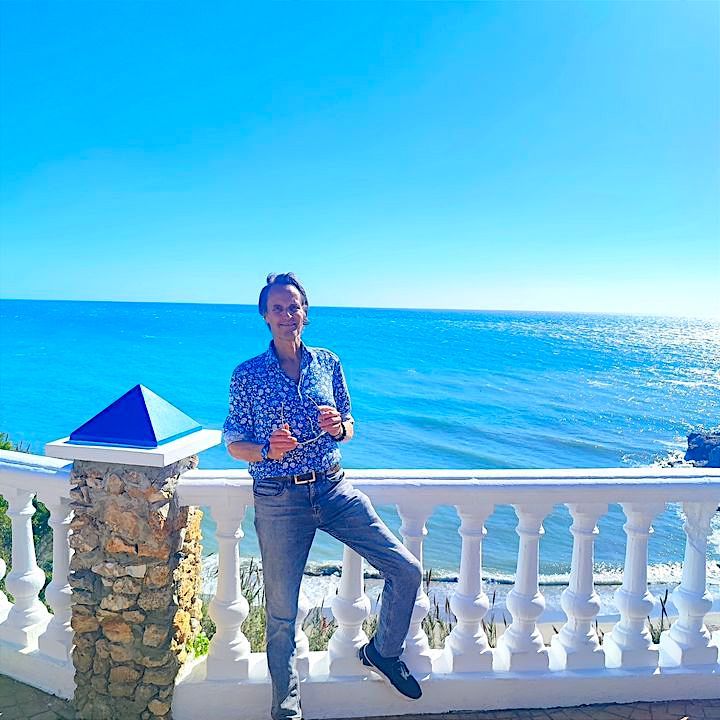
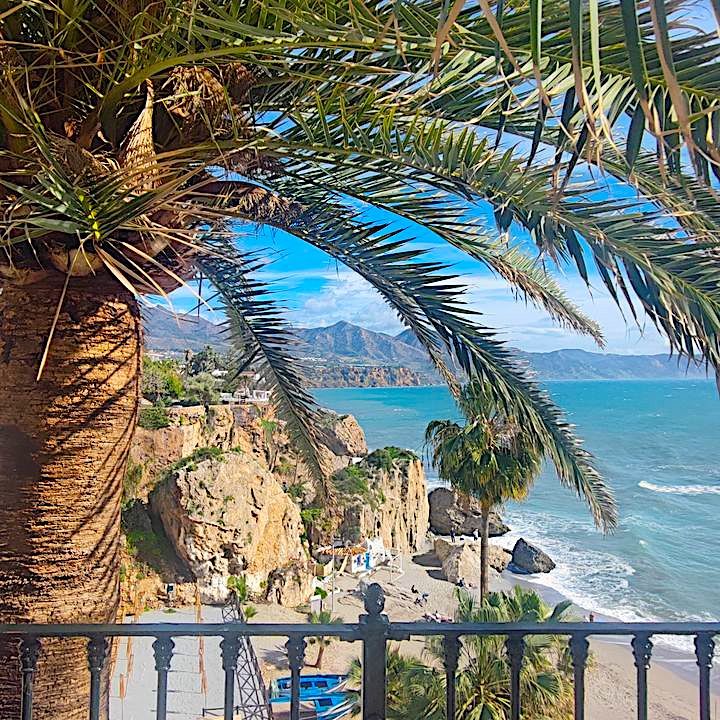
Nerja’s most famous landmark sets the tone for the whole visit. The Balcón de Europa is a palm-lined promenade perched 60 metres above the sea on a cliff where a Moorish castle once stood. The view — ocean on three sides, mountains behind, fishing boats below — is genuinely breathtaking. Come at sunset if you can. The light turns the whole thing cinematic.
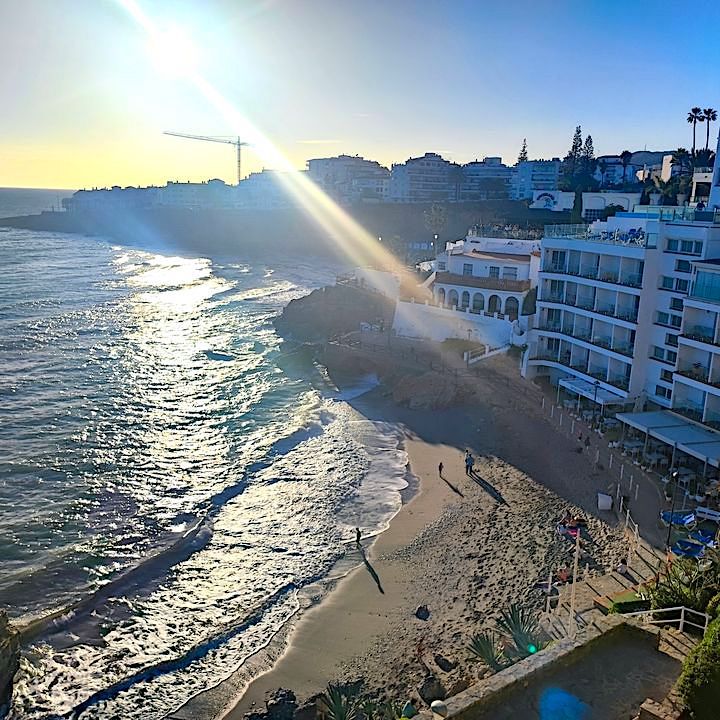
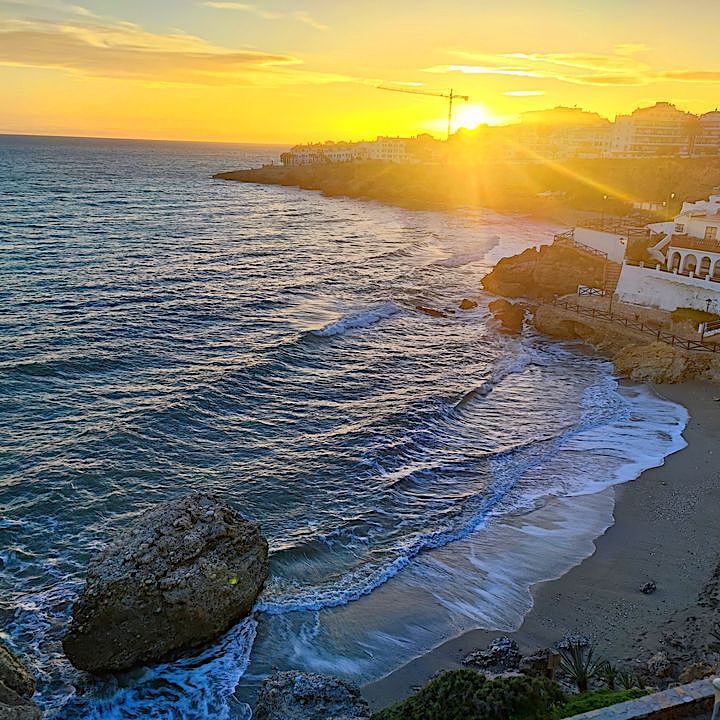
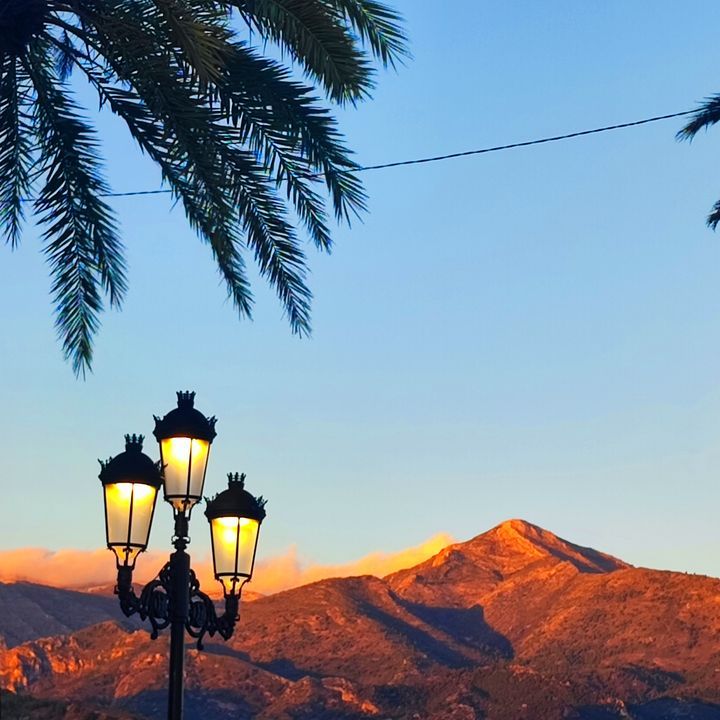
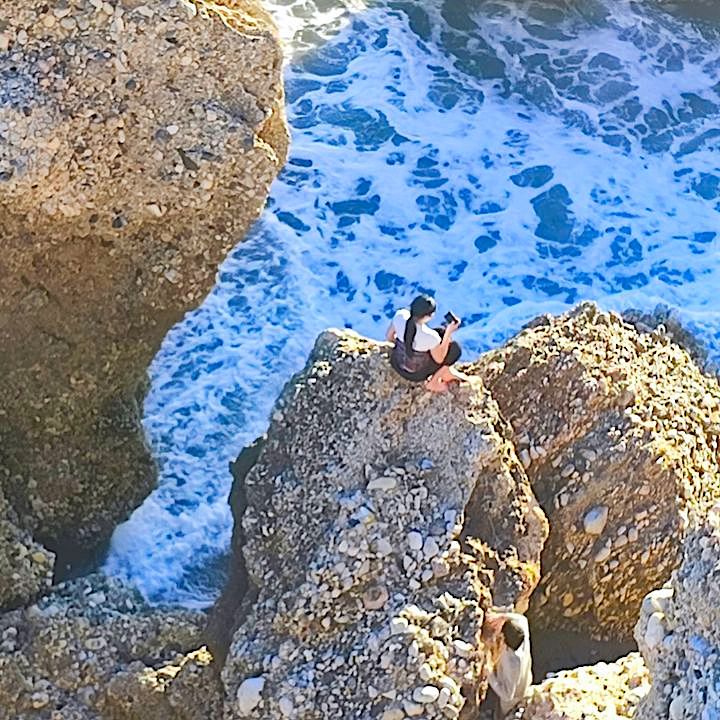
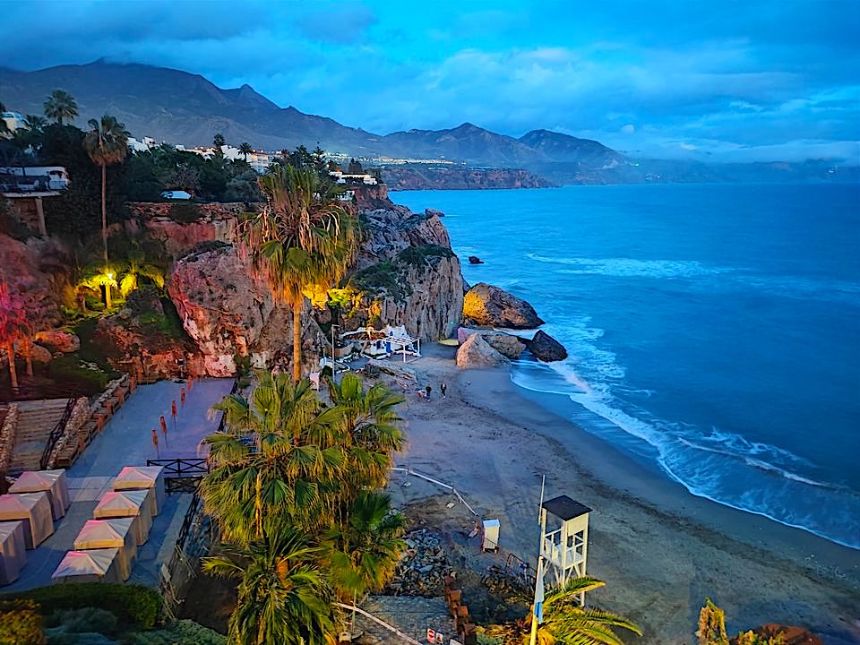
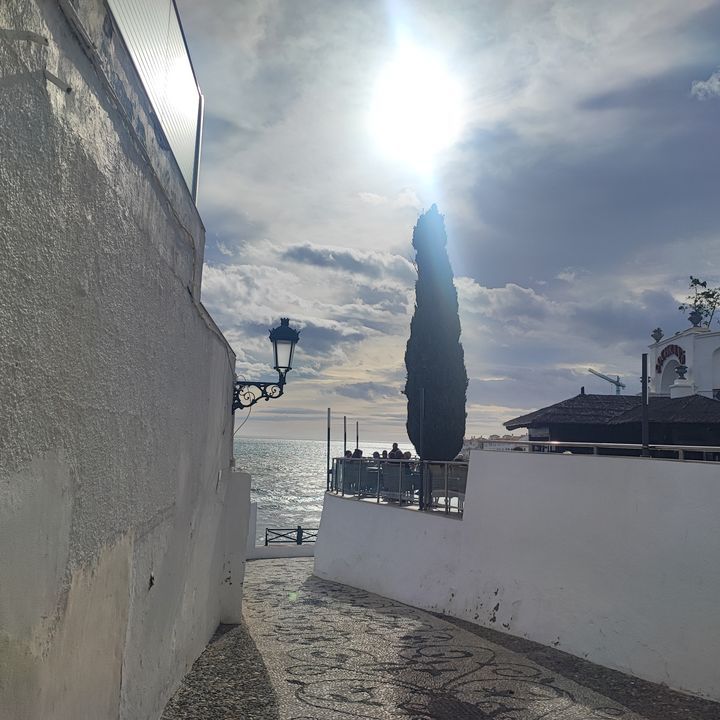
Just behind it, the car-free old town ("Casco viejo") is a slow, pleasant wander of whitewashed houses, flower-pot-studded walls, and unhurried locals. The town hall and the Iglesia El Salvador are postcard-pretty. In February, the streets are yours; in summer, they belong to the crowds. I’ll take February every time.
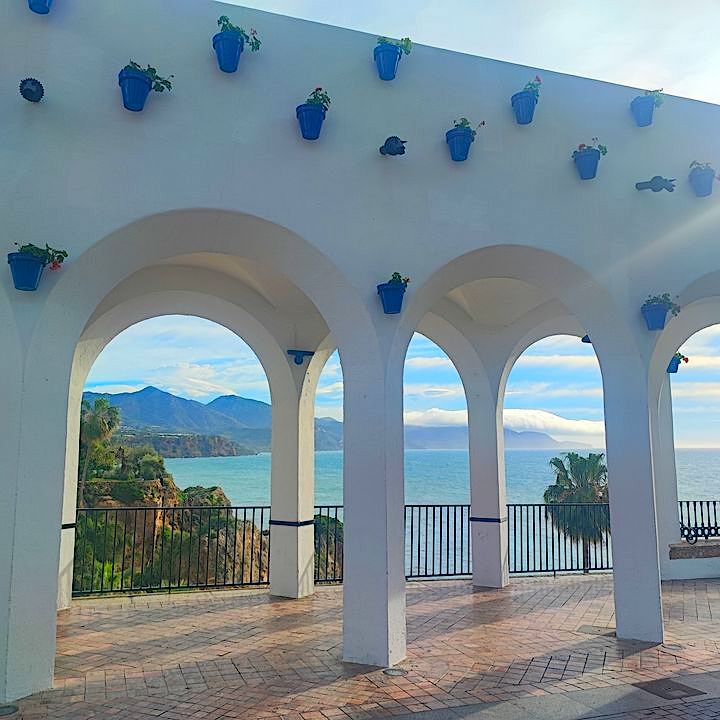
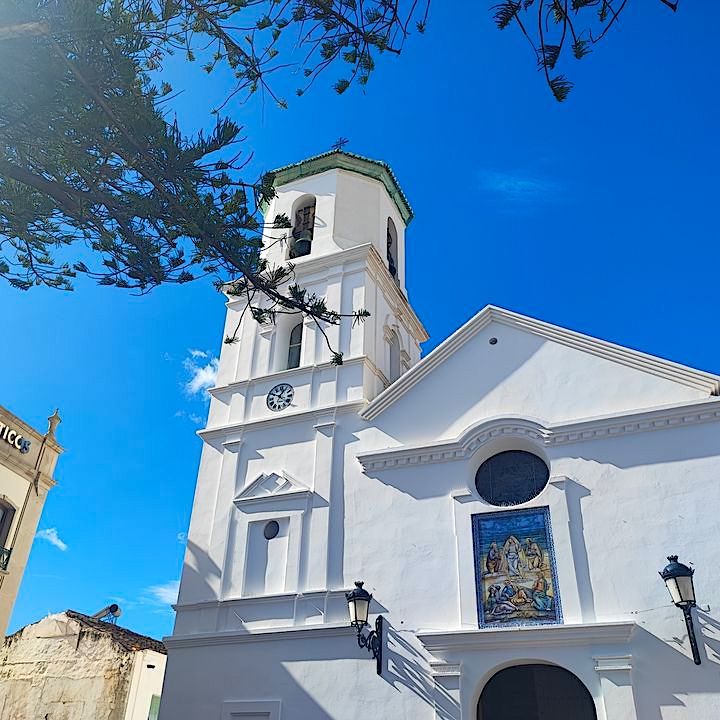
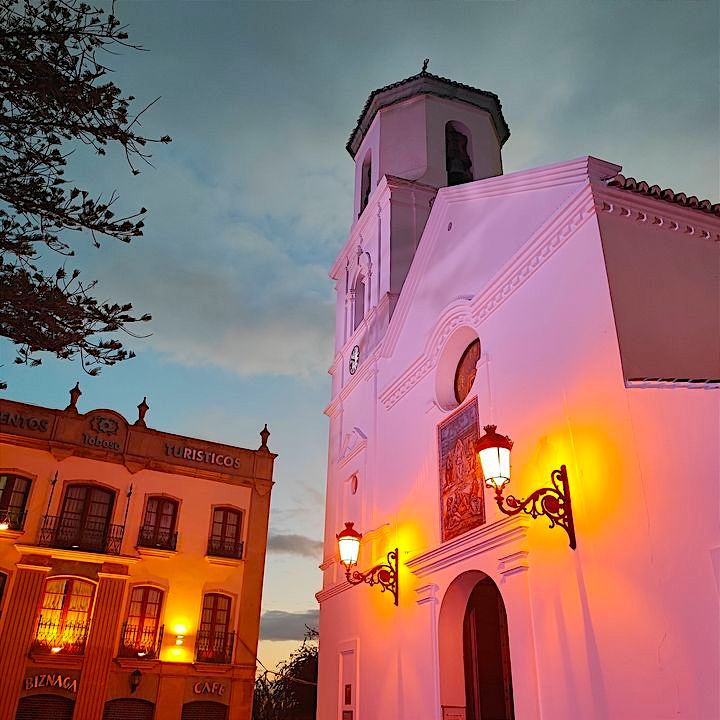
Nerja is undeniably touristy — the Irish pubs are unavoidable, the tourist shops predictable — but the tapas bars and a handful of genuinely charming art and jewellery shops more than make up for it.
The Most Beautiful Beaches in Nerja
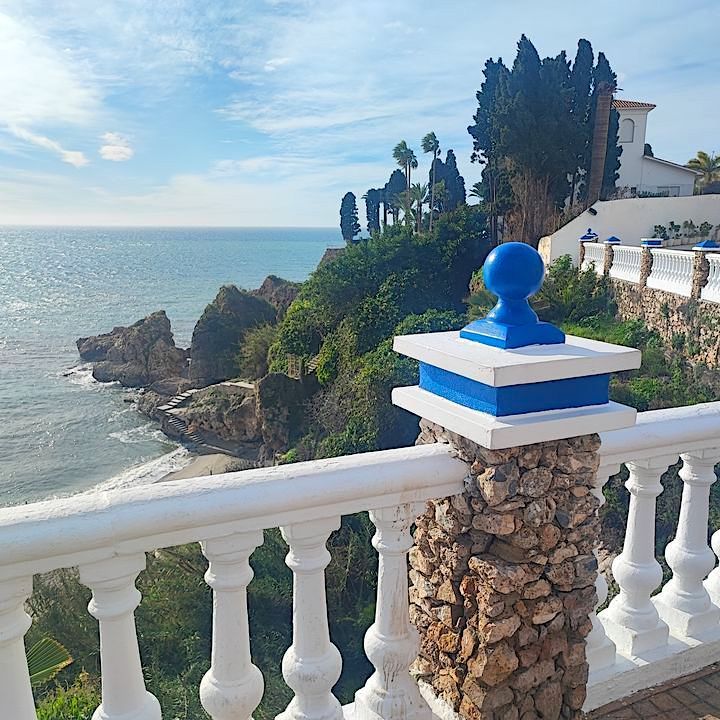
The long beach promenade is one of Nerja’s quiet pleasures: wide enough to walk without thinking, close enough to the sea to hear it. From the Balcón de Europa, follow the path west towards Mirador del Bendito overlooking Playa Carabeillo — a quieter spot with cliff-framed bay views that feels far removed from the town centre bustle.
t
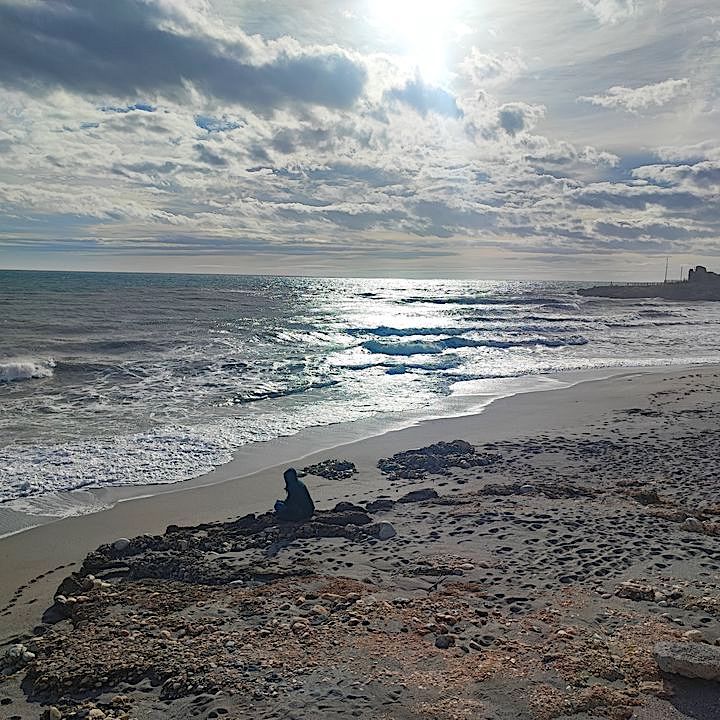
Playa Burriana is Nerja’s standout beach: coarse golden sand, a lively promenade lined with restaurants, and good amenities. Even in February, blue skies and 22°C make it inviting. A few brave souls even wade in. I climbed the stairs back up and rewarded myself with a long, lazy snack at Baiaka Gastro Bar, whose eclectic furniture and calm terrace made it one of my favourite spots of the whole trip.
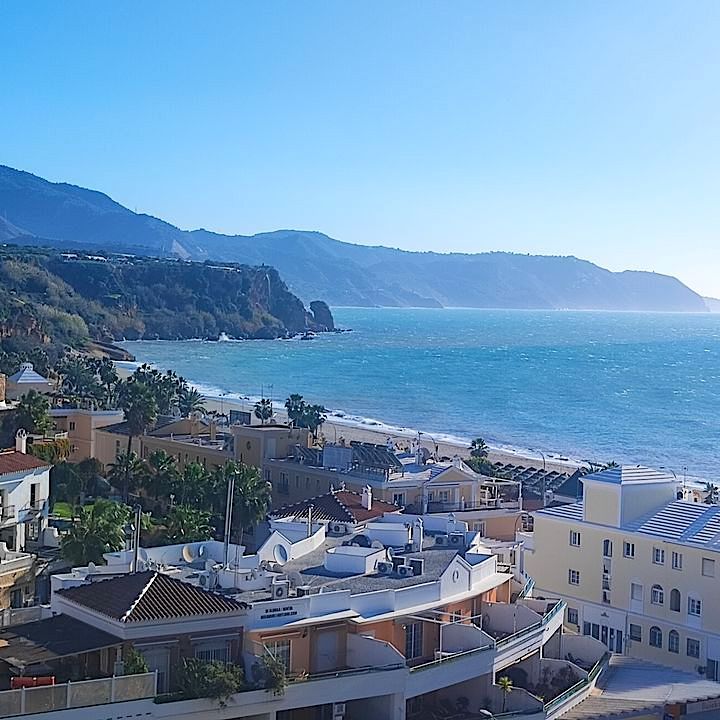

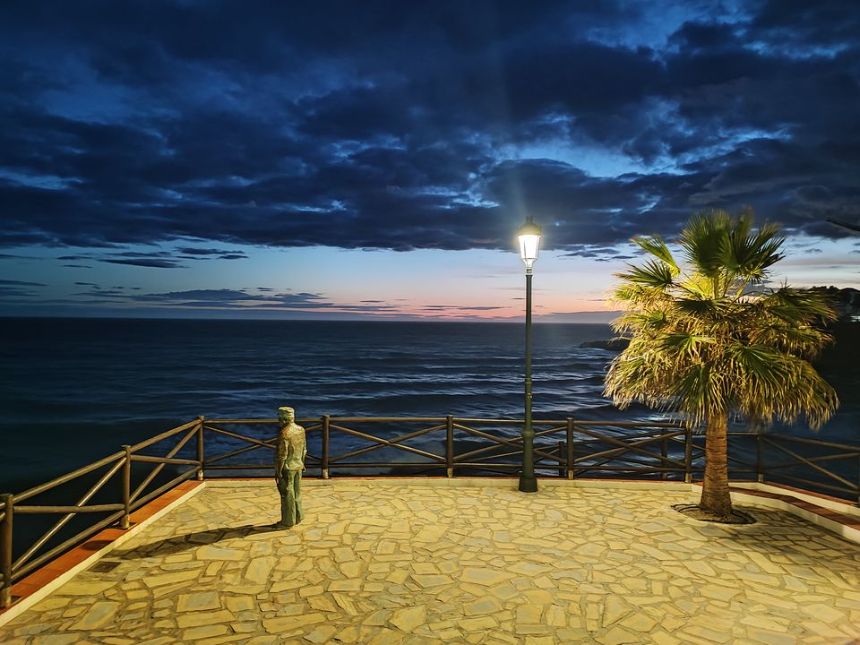
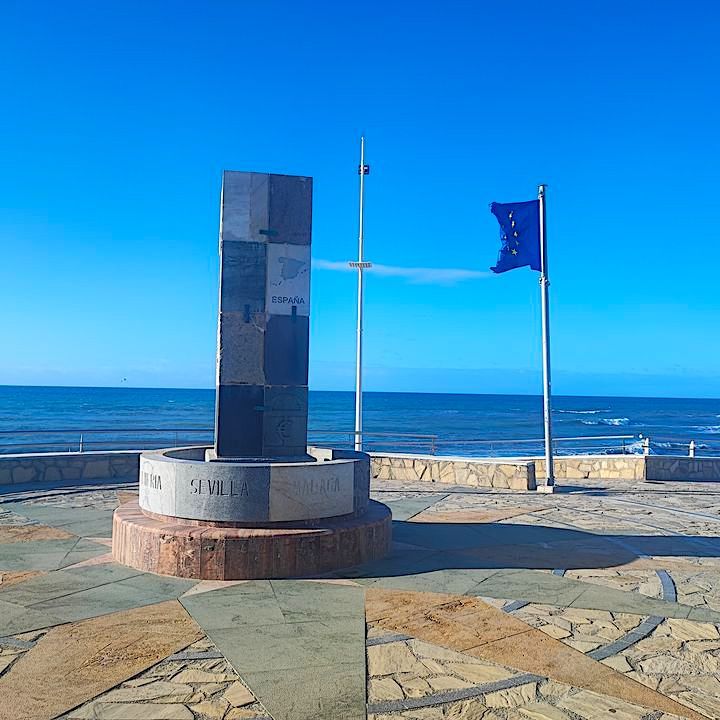
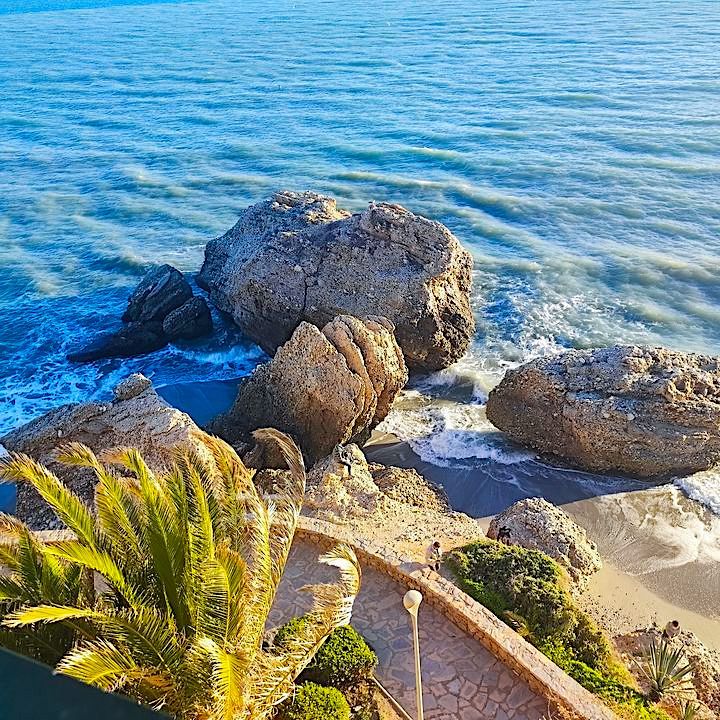
On the opposite side of town, Playa La Torrecilla is the place for a sundowner. The rocks are dramatic, and the view along the Nerja coastline from Plaza Fábrica de los Cangrejos (with its EU-tribute sculpture) is quietly spectacular.
Excursion: The Caves of Nerja
If you do one thing beyond the town itself, make it the caves. The Cuevas de Nerja are 15 minutes by car, completely accessible, and genuinely one of the most impressive natural sights I’ve encountered anywhere in Europe.

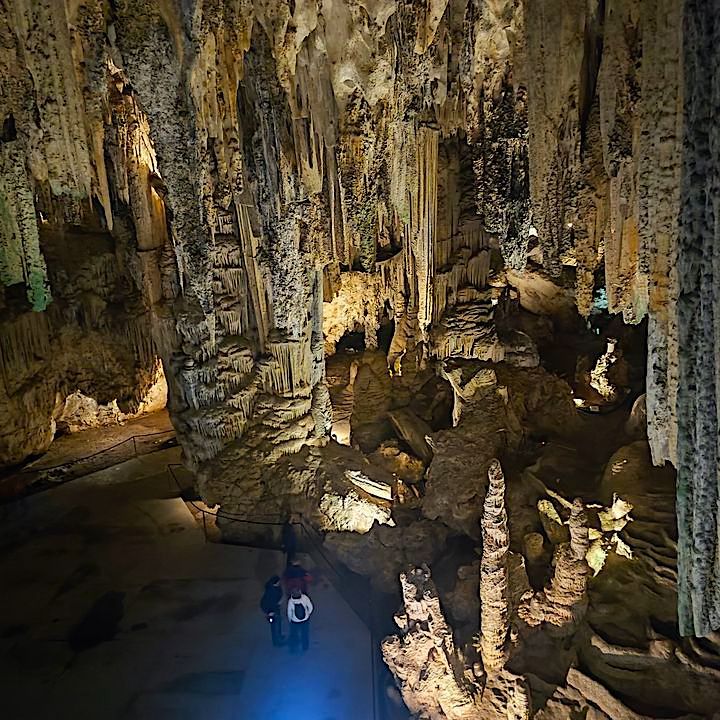
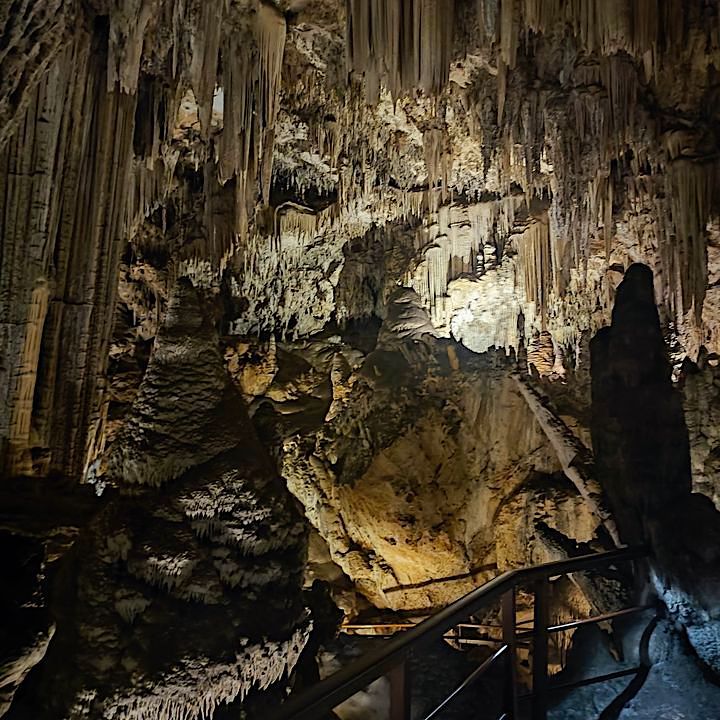
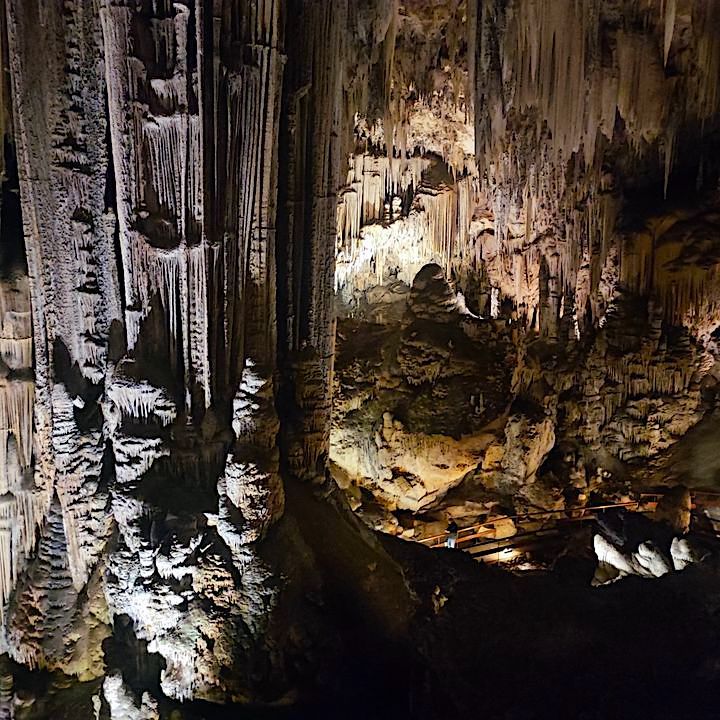
The caves hold the world’s largest stalactite column — a fact that sounds like tourist-brochure hyperbole until you are standing in front of it. Stone Age paintings survive on the walls. Clever, restrained lighting enhances the natural beauty without the gaudy colours that ruin lesser cave tours. My walk took about 45 minutes. The following are a few impressions of the caves:
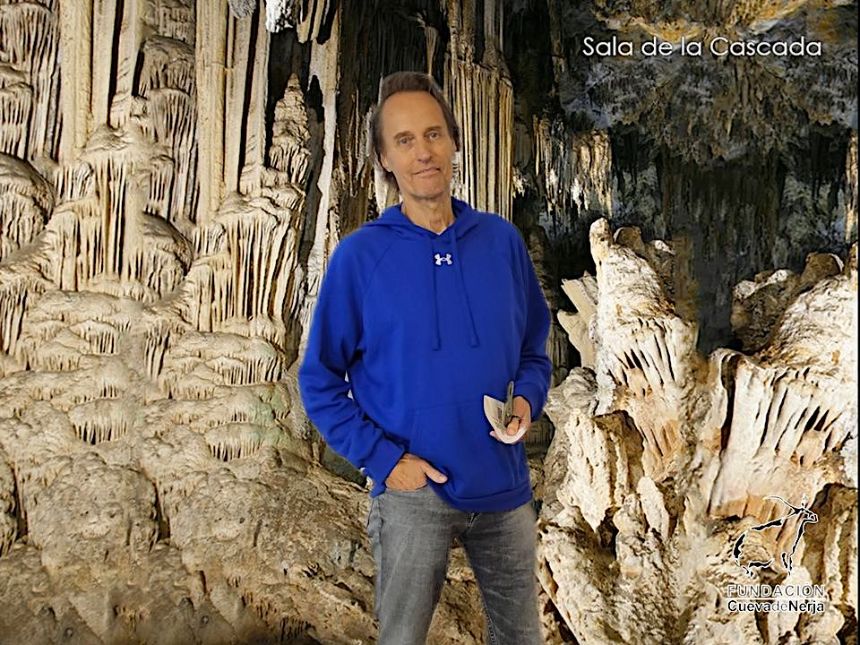
For 7 EUR (as per February 2026), you can achieve your personal cave photo.
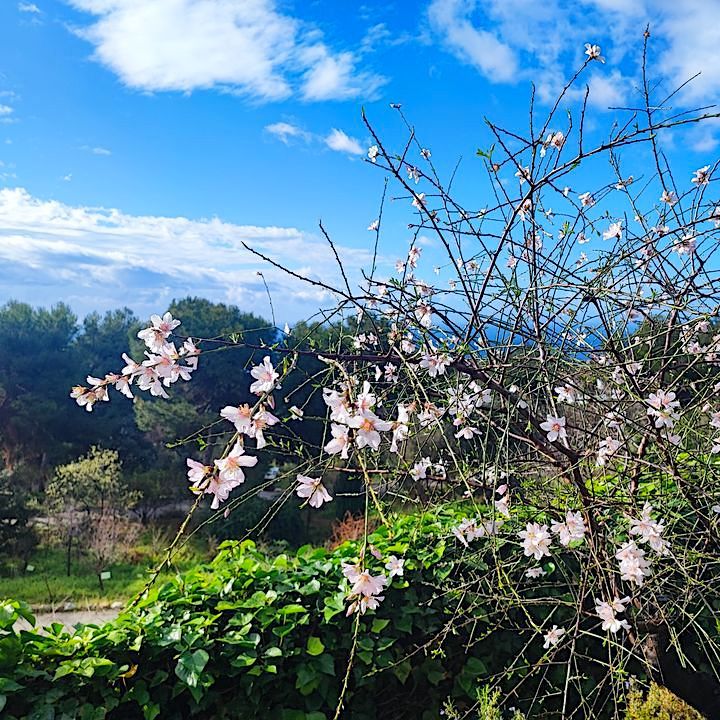
One practical tip: don’t miss the 360-degree presentation in the virtual reality room. It’s a genuinely worthwhile addition to the visit. The caves were declared a protected cultural asset in 2006. Behind the virtual reality room, you will find a lovely botanical garden, perfect for a little walk with sea view.
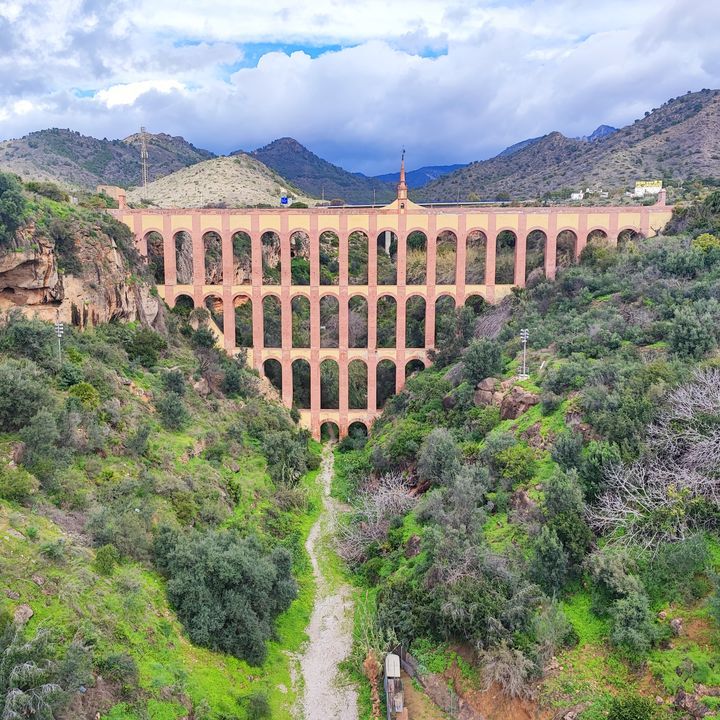
On the drive back, pull over at the Eagle Aqueduct (Acueducto del Águila). There’s a small car park right beside it. This 19th-century engineering feat — all arabesque arches and an octagonal turret — is as beautiful as any monument in the region. The more adventurous can walk across it. I admired it from below.
Where to Stay in Nerja
Modern chain hotels haven’t really arrived in Nerja, which is part of its charm. The options lean towards traditional hotels, charming guesthouses, and self-catering apartments in the old town. The historic Hotel Balcón de Nerja, which occupies a prime position near the viewpoint, is something of a local institution.
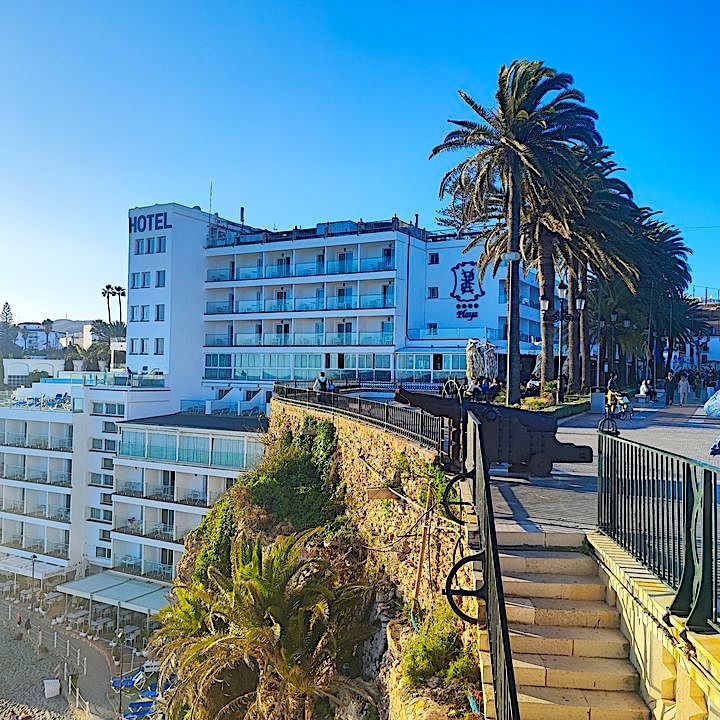
I spent three nights at the MB Boutique Hotel (adults-only), a small, modern property well-placed for both the old town and the sea. The rooftop terrace — sun loungers, two whirlpools, views over the rooftops — was the perfect end to each day. I also noticed the Smile Apartments, just behind the town hall, which looked excellent for a longer stay. High above Playa Burriana, there is even a Parador with a lift directly to the beach.


For a full overview: Nerja hotels on nerja-turismo.com
Where to Eat and Drink
Nerja’s restaurant scene is better than you might expect for a small resort town. The restaurants at Hotel Balcón de Nerja offer views alongside decent food; La Fuente da Paolo blends Spanish and Italian cooking well; and the cluster of restaurants on Plaza de España is reliably good. If Indian food is your thing, Taj stands out.
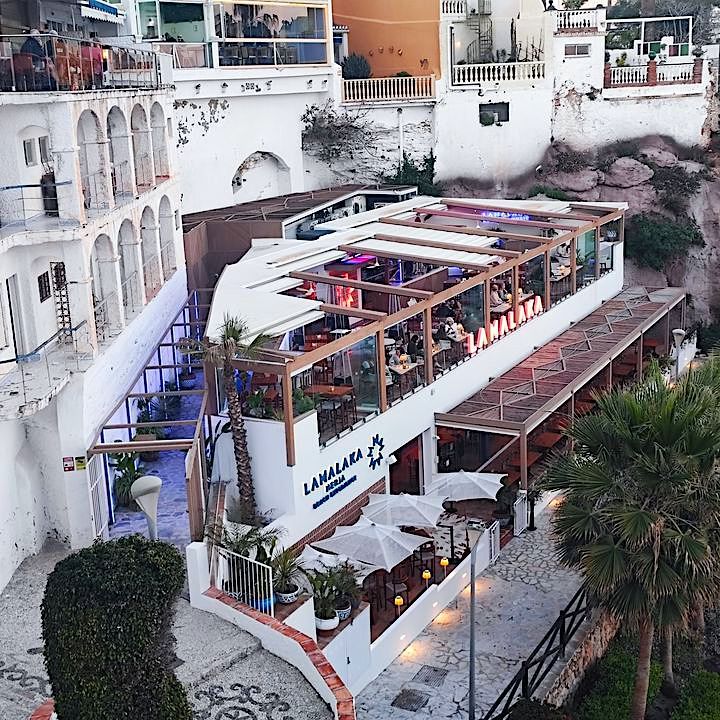
A classic across all price points is the Sevillano group of three restaurants, the flagship of which — with a roof terrace in the heart of the old town — is perpetually popular for good reason.
For coffee, my highlight was the Moroccan Tetera Zaidín in a side street in the old town: a charming courtyard, genuinely friendly staff, and excellent healthy snacks. I could have stayed there for hours!
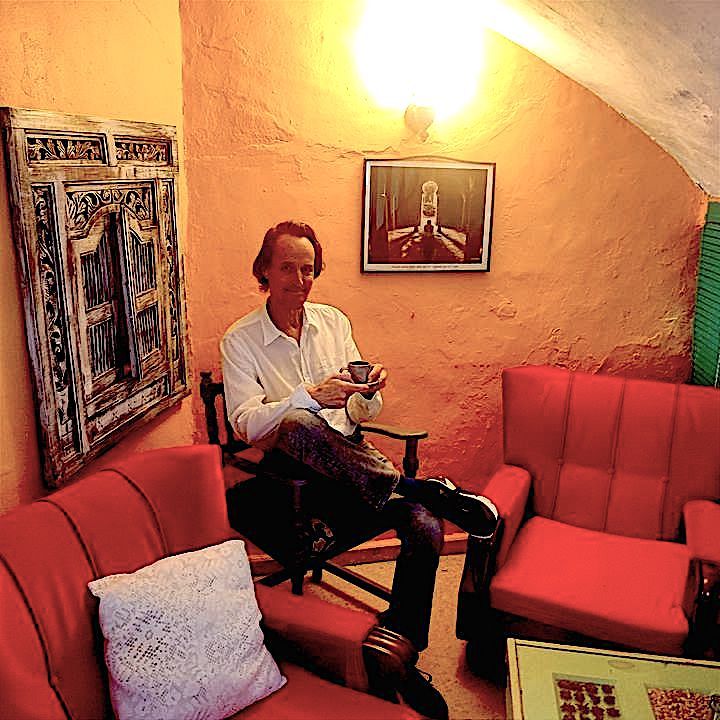
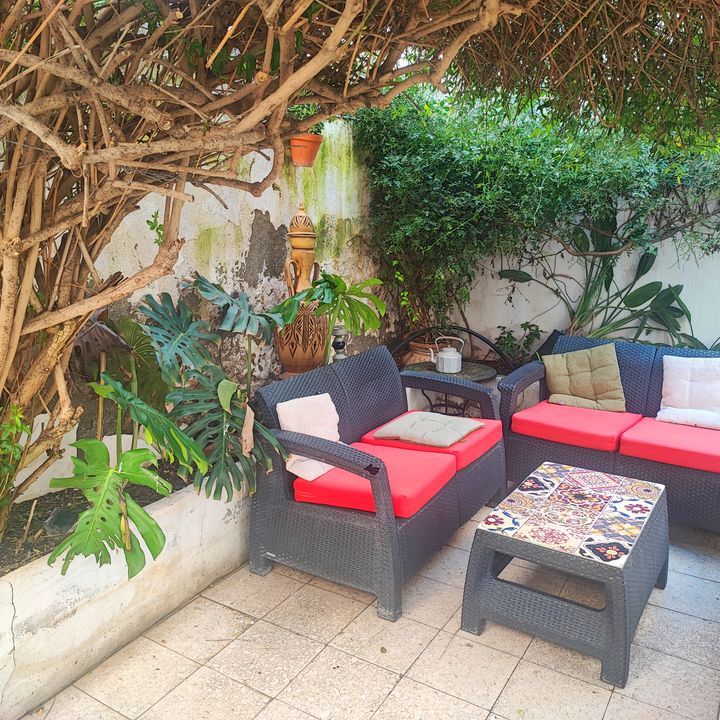
The Good Stuff Coffeeshop is another great option. It is just outside the centre but worth the short walk. Note that it closes at 3 pm in winter. A short stroll away, Kafune Specialty Coffee has no terrace, but the interior is relaxed, the coffee is seriously good, and the sandwiches are excellent. I arrived to find Coco, the resident white cat, asleep on the chair I wanted. The barista offered to move him. I couldn’t bring myself to ask. Instead, we had a long conversation about cat psychology. In short: a very lovely early afternoon.


A curious footnote: Spain leads the world in bars per capita and is simultaneously one of Europe’s longest-lived nations. Make of that what you will.
More restaurant recommendations: Best restaurants in Nerja
Getting to Nerja: Practical Information
There are numerous direct flights from European airports to Málaga. The journey from Málaga Airport to Nerja by rental car takes just over 50 minutes along the coast road. If you’re not driving, the most convenient option is the direct bus from the airport. If you’re coming from Madrid or another major Spanish city, Málaga is connected via the high-speed AVE rail network.
Bus information from Málaga Airport: malagaairport.eu
Nerja: Worth the Trip?
Nerja is a genuinely beautiful place — Andalusian in character, easy in pace, spectacular in its natural setting. It works just as well as a base for a few nights on a wider Costa del Sol road trip as it does for a longer beach holiday in summer (though be warned: July and August bring serious heat and serious crowds).
February was, for me, close to perfect: warm enough to sit outside and explore comfortably, calm enough to actually feel the place rather than just photograph it. The caves alone are worth the trip. And the Balcón de Europa at sunset is one of those views you genuinely don’t forget.
P.S. I missed the Nerja Carnival by one day. Next year, perhaps.

Coming Next on the Blog
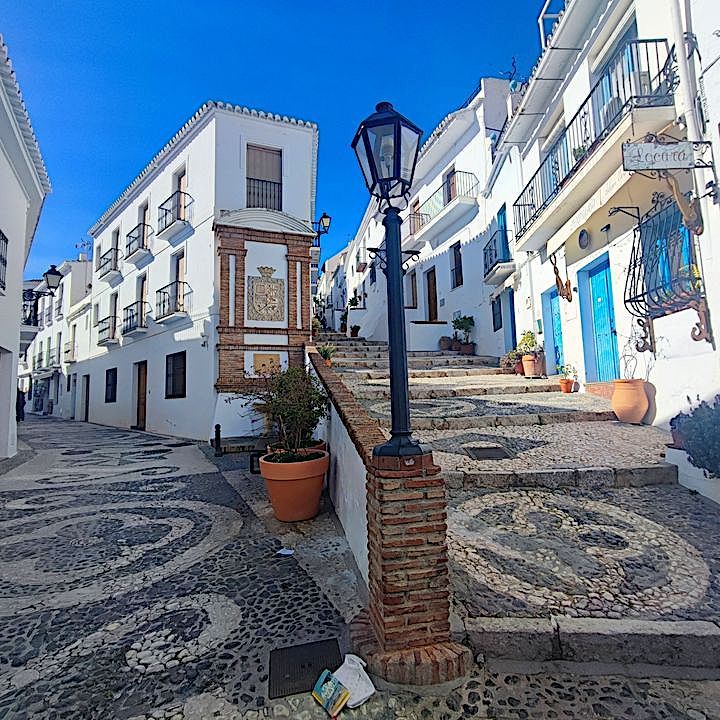
After four days in Nerja, I continued to Frigiliana — a stunning Andalusian mountain village just 8 km inland — and then to Rincón de la Victoria, a quieter suburb of Málaga. Both deserve their own post, coming soon.
Also interested in Andalusia’s cities? Read my reports on Málaga, Granada, Cádiz, and Seville on the blog.
*My trip was supported by Turismo Costa del Sol. This has not influenced my evaluations in any way.*