Fuerteventura in winter: my insider tips for the barren beauty
While Germany was buried in snow chaos, I was standing barefoot in the Atlantic Ocean. The mild climate of the Canary Islands makes the island the ideal escape from the German winter, and ‘Fuerte’ has long since become more than just a travel destination for me
*Promotion*
"Fuerte" - now and then
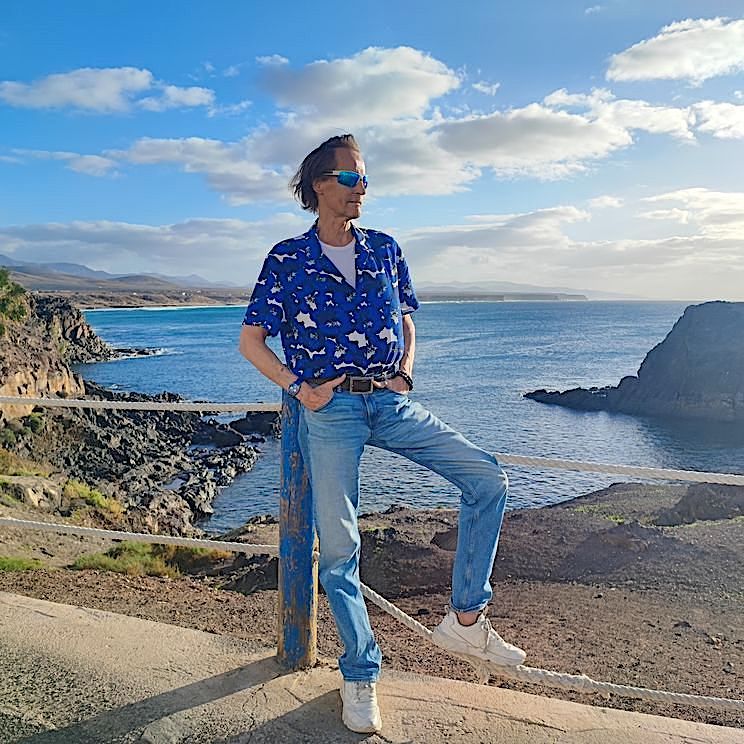
When I worked as a hotel buyer years ago, I considered Fuerteventura too dry and remote. Now, away from tourist centres, I see it as a remarkable personal retreat. This article shares the places that shaped my deeper connection—some from earlier visits, some new discoveries.

When light becomes magic
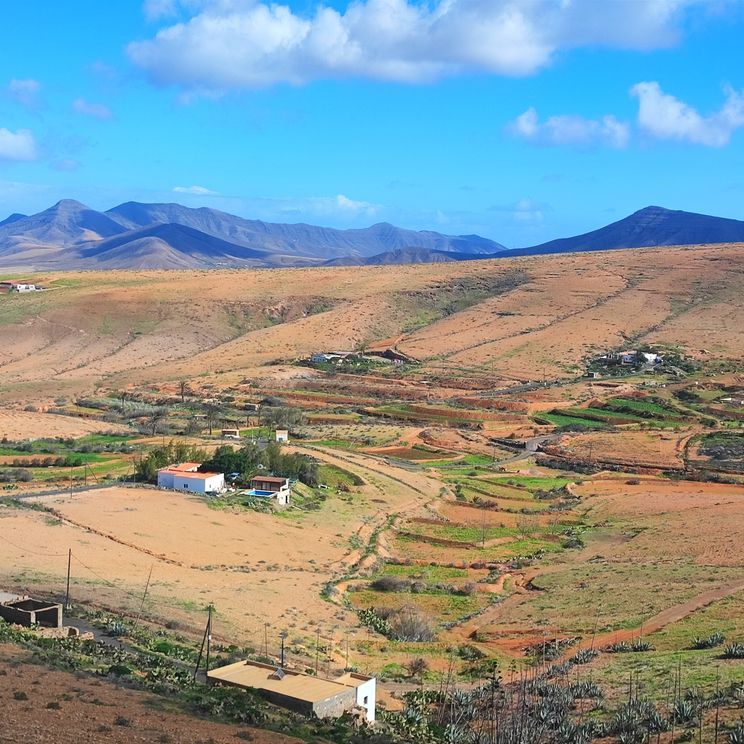
At 20 million years old, Fuerteventura is the oldest of the Canary Islands – and you can see that in its barren hilly landscape. As you explore, you'll notice what makes the island so special: the colours that change in fascinating ways throughout the day.
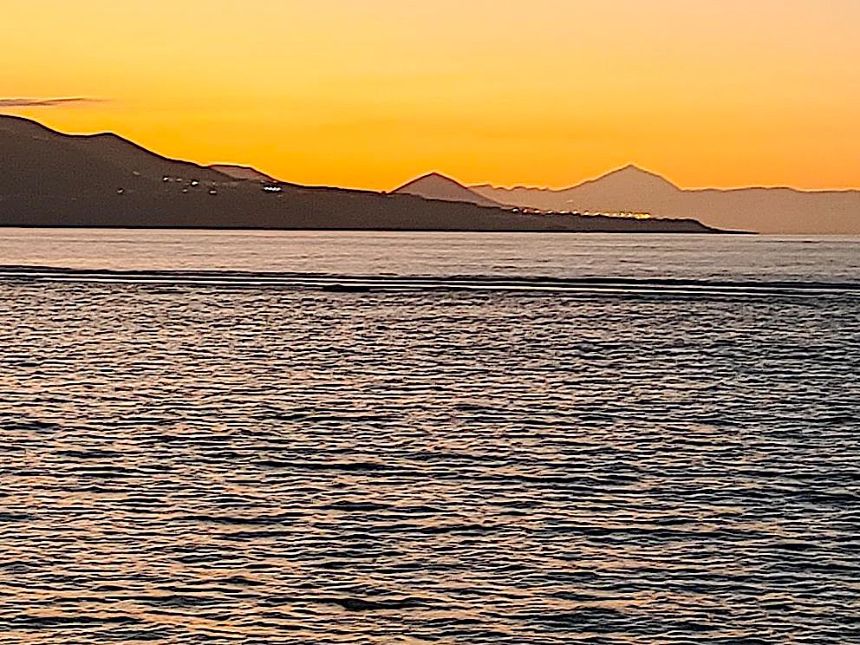
The sunsets are simply magical when the mountains change colour – ochre tones turn to golden yellow, they literally glow. This ‘special light of Fuerteventura’ has already inspired many people – now I understand why.
To understand Fuerte's appeal further, it's worth noting that, with an area of 1,660 square kilometres, Fuerteventura is the second-largest Canary Island after Tenerife, yet it has just under 120,000 inhabitants, making it very sparsely populated. With 150 kilometres of sandy beaches, some of which are among the most beautiful in Europe, and over 1,000 species of lichen, the island is not quite as barren as it seems.
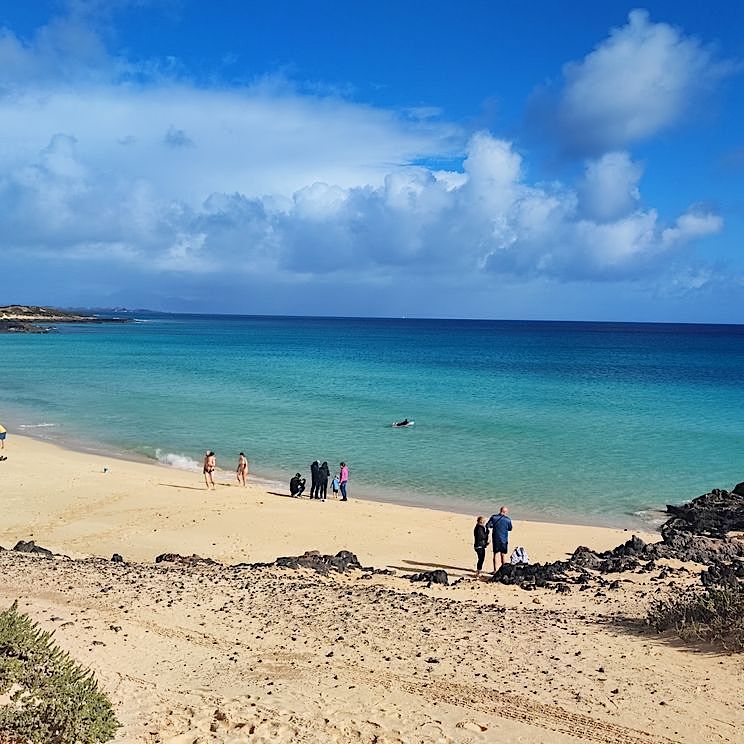
Corralejo Nature Park: My favourite place
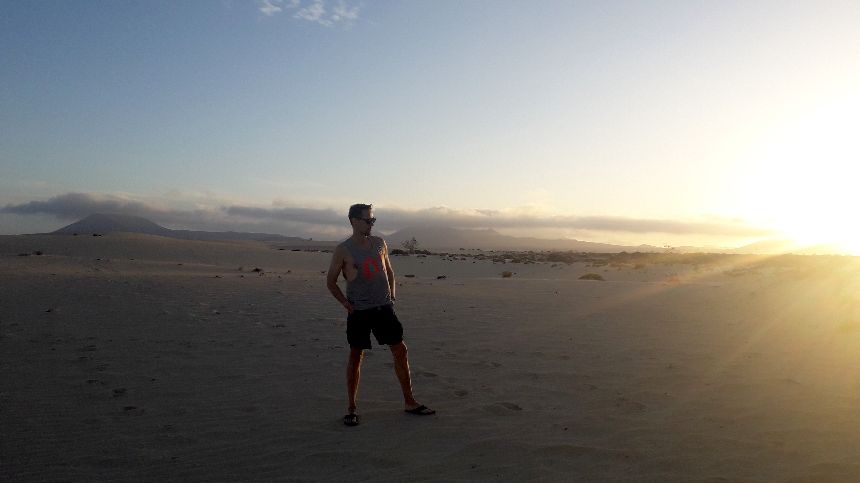
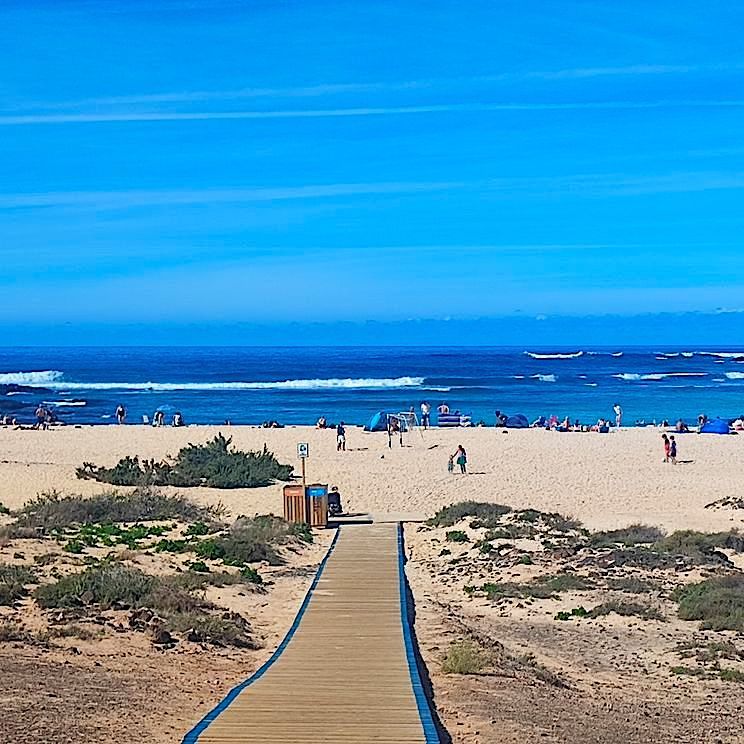
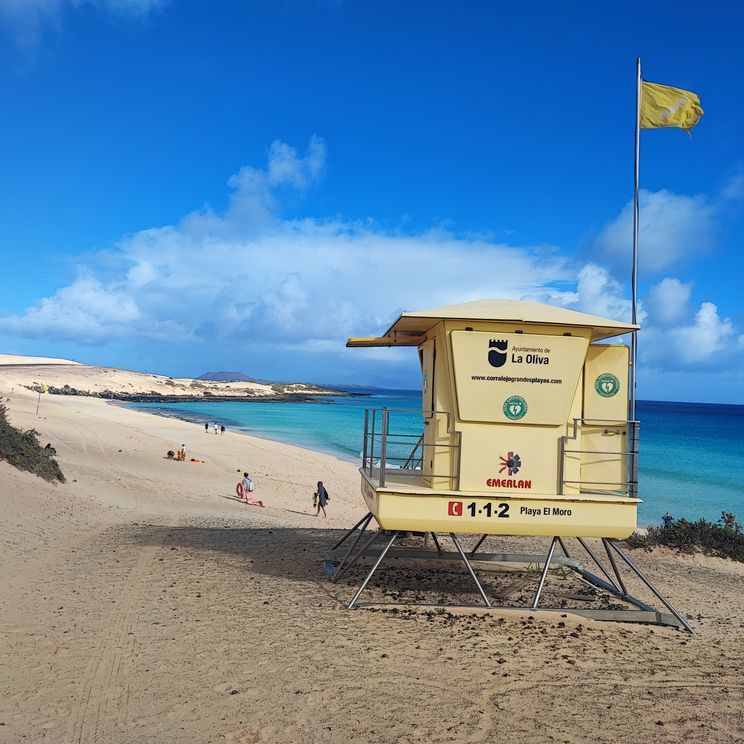
When I drive north from the airport along the coastal road, the bright dunes appear after about 20 minutes. Every time, my heart skips a beat. Corralejo Nature Park is still my first port of call on the island.
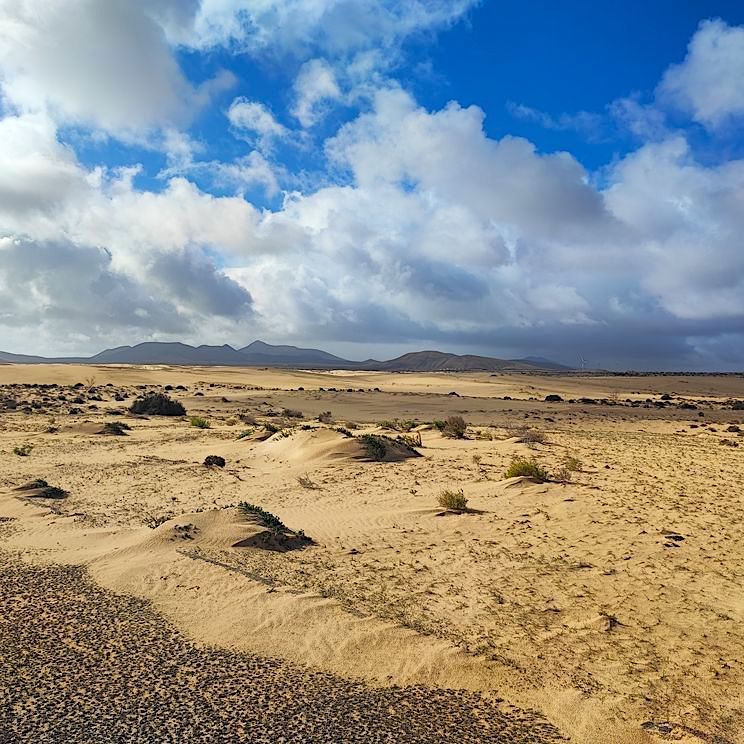
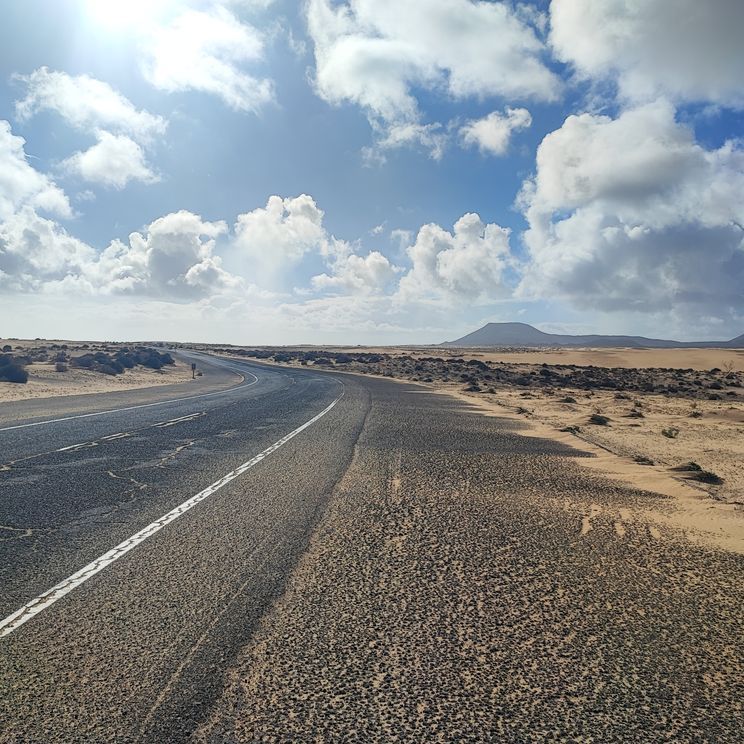
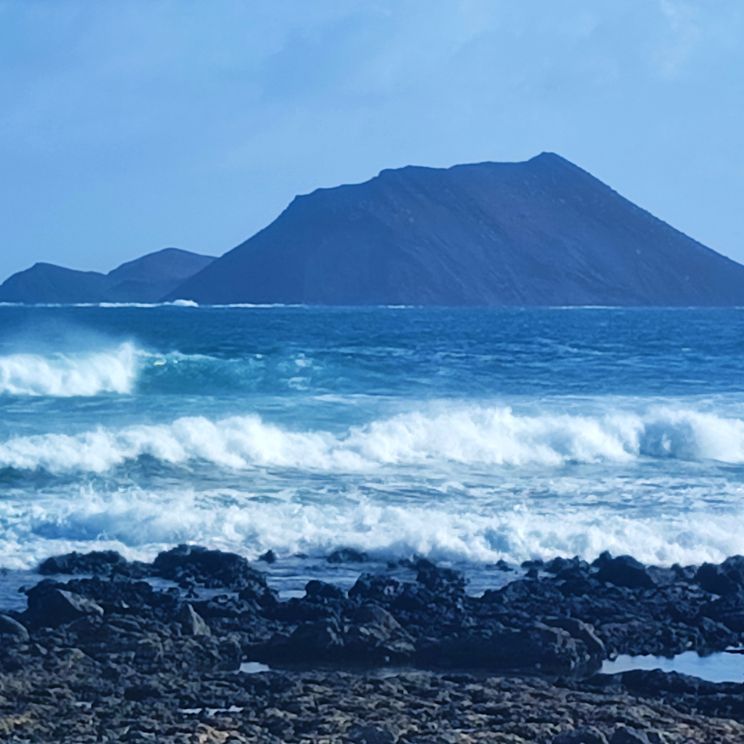
Climbing the high dunes is a great workout. With each step, my feet sink into the fine sand. The reward at the top is a sweeping view of Lobos and Lanzarote. The wind, the rushing sea in shades of blue, and the sense of being alive define the moment.
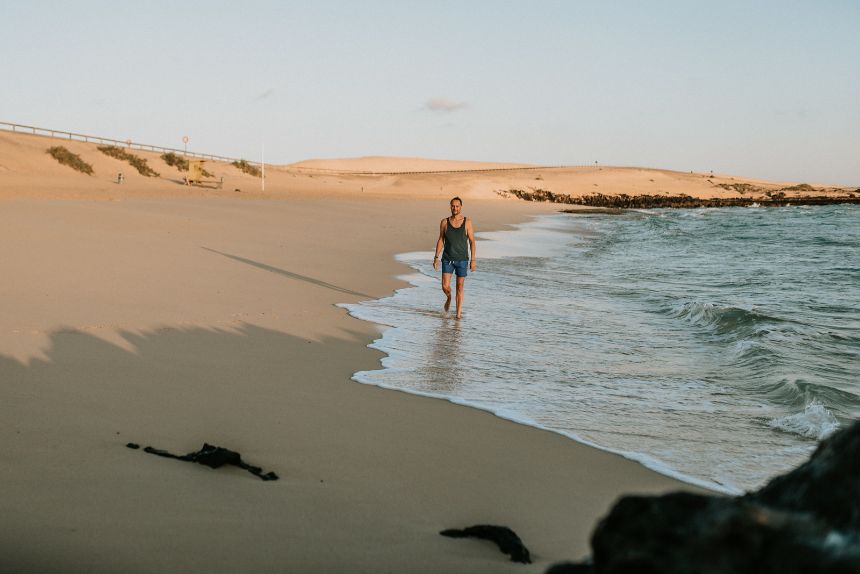
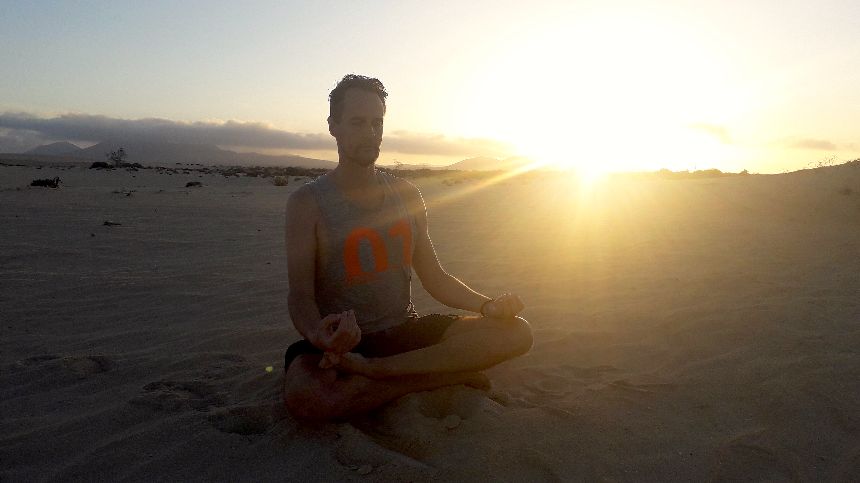
Surfers find their paradise here, but they are not the only ones. Many sections are wonderful for swimming – I recommend bathing shoes, as the fine sandy beach is interrupted here and there by rocky sections. A beach walk is almost a meditative experience. Years ago, I practised yoga on the beach here, with the sound of the waves as my soundtrack.
Lively Corralejo
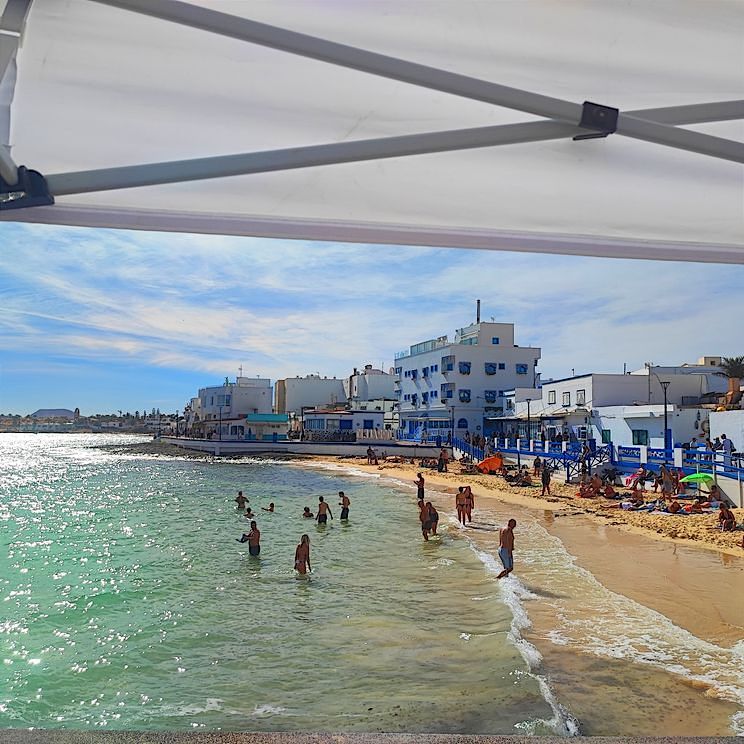
The fishing village of Corralejo itself has grown into a major tourist centre in recent years. There are lots of bars, shops, and restaurants lined up next to each other. I always wonder why some men walk around the village with their shirts off when the temperatures are not exactly summery – well, anyway. You can still find some Canarian atmosphere at the harbour. From here, you can take the ferry to the practically uninhabited neighbouring island of Lobos (a worthwhile).
Tip: By chance, I discovered the small restaurant On the Rocks in the El Campanario shopping centre, which was modelled on a Canarian village and stands out pleasantly from the other faceless malls. At On the Rocks, I particularly enjoyed the delicious tapas and good wine selection, but above all, the special service.
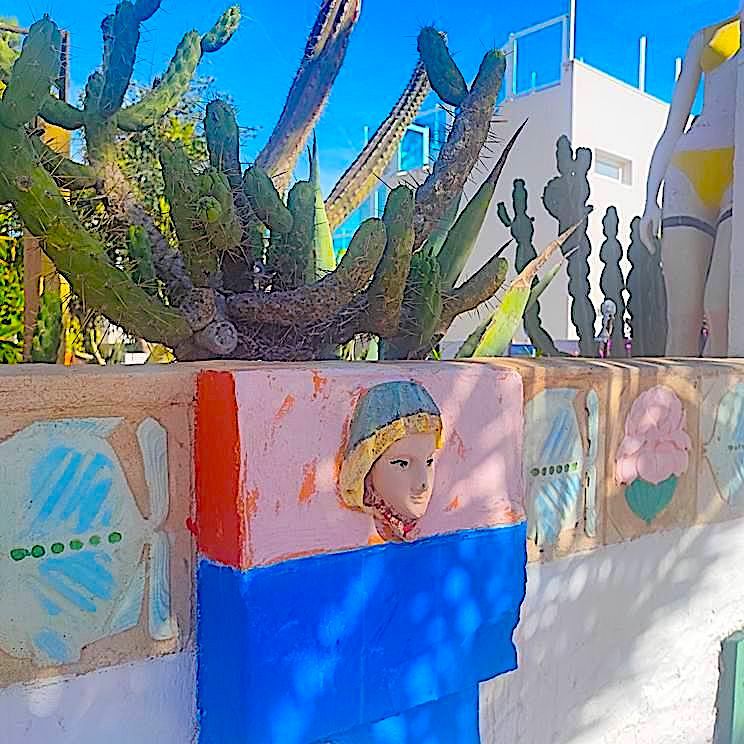
Curious: Villa Tabaiba right at the entrance to Corralejo. Carlos Calderón Yruegas, an architect/artist from Seville, has created a small art oasis here with lots of plants and sculptures. It's well worth a visit!
Lajares: Where bon vivants and surfers meet
Lajares truly deserves the label ‘hip’. Before my first tour of the island, I sit on the roof terrace of the popular ‘El Goloso’, a steaming café, solo in front of me, watching the colourful crowd who are also enjoying their caffeine fix and delicious treats here.
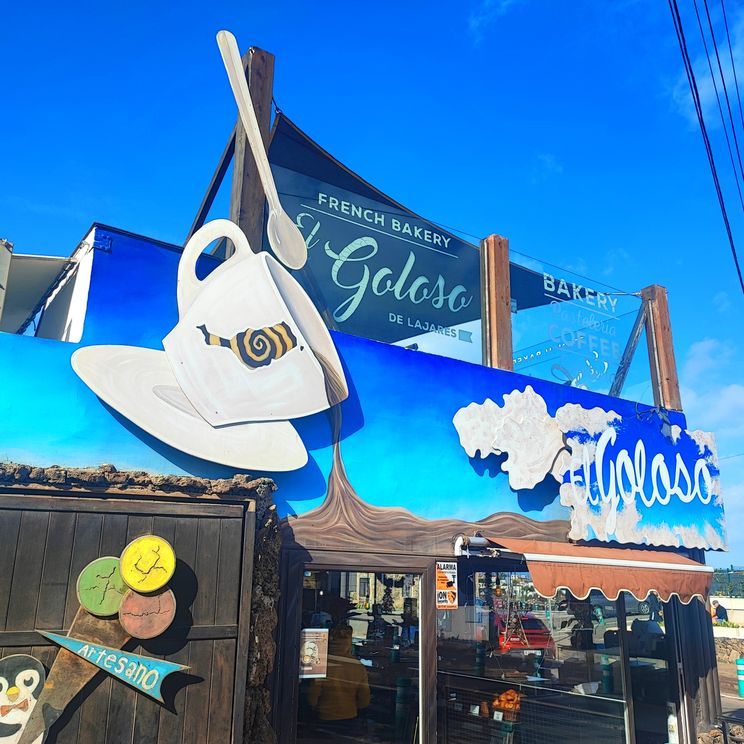
Although the nearest beach is eight kilometres away, Lajares serves as a gathering point for surfers. A creative, alternative scene thrives here, with people who have created a unique paradise for themselves, separate from mainstream tourism. Cafés, shops, and restaurants each show off their own colours, all with a relaxed local feel. It's a wonderful escape.
Tip: On Saturdays from 10 a.m. to 2 p.m., there is a popular small market for arts and crafts.

Just a few kilometres away rises the 278-metre-high Calderón Hondo volcano with its gigantic crater. The climb is well worth it – you can find out more in my article from 2023.
Far-reaching views at Mirador de Vallebrón
In 20 minutes, you can get from Lajares to the viewpoint in the mountains of the Vallebrón Nature Reserve, very close to La Oliva. The wind whistles from all sides, so be sure to bring a jacket. But the climb is rewarded with impressive views over the north-east of the island. In the background rises Tindaya, the sacred mountain of the Guanches, the indigenous people of Fuerteventura.
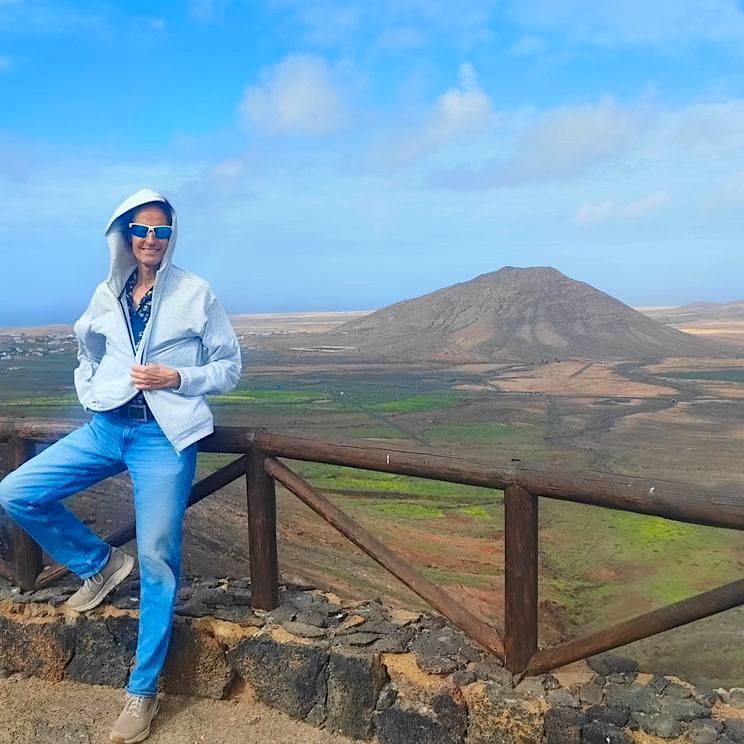
What made my visit special was that after some rainfall, the barren landscape had literally turned green – a rare sight on this rather dry island.
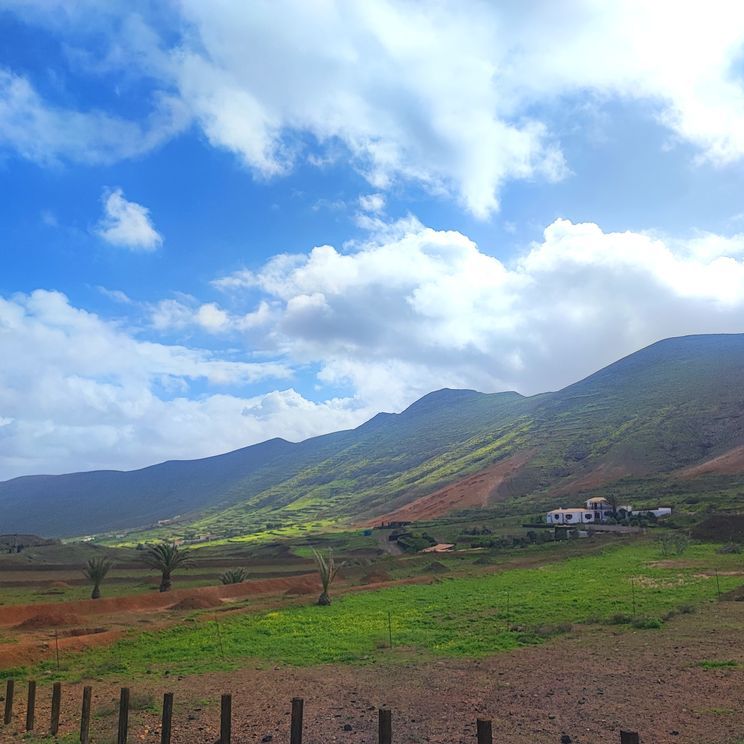
All about cheese – in the best sense
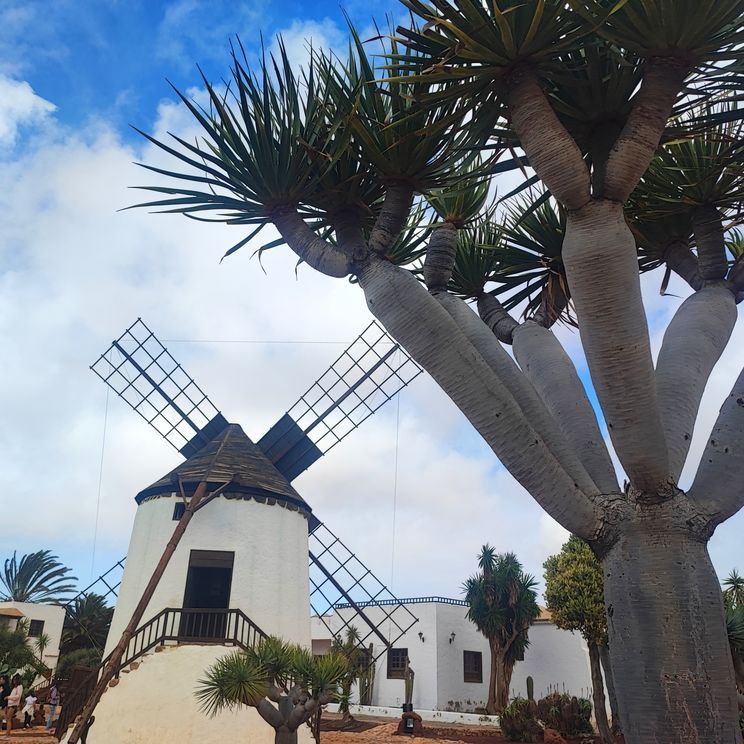
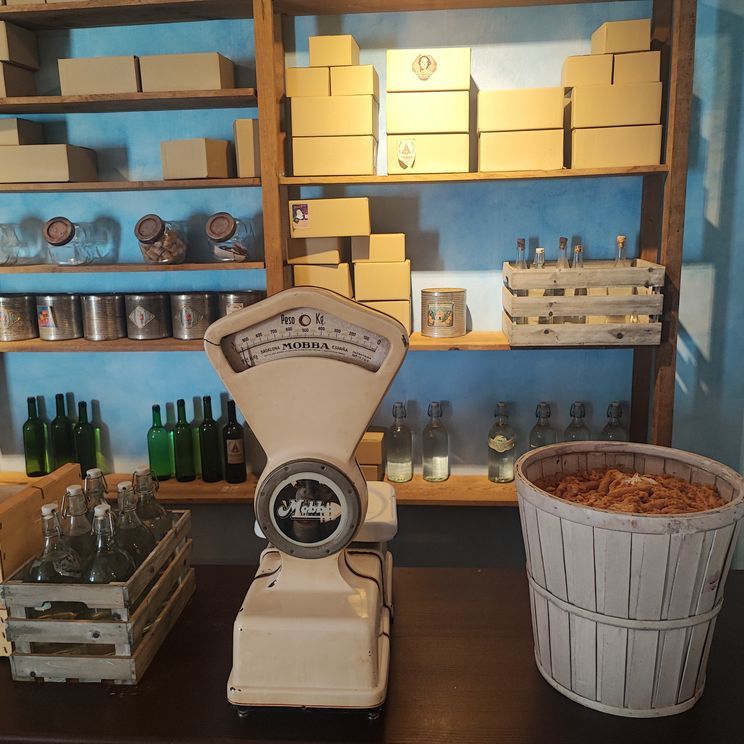
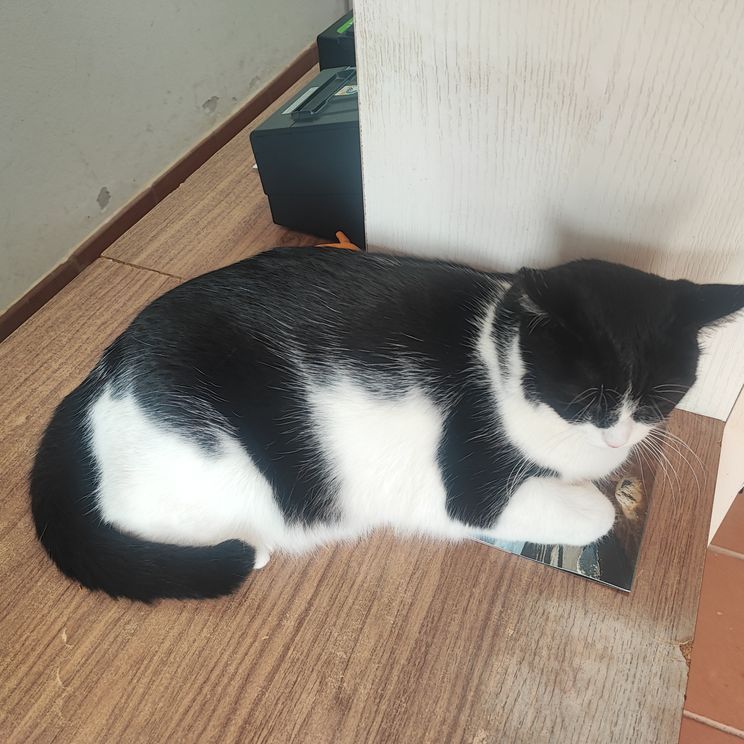
A visit to Vallebrón can be wonderfully combined with a trip to the cheese museum in Antigua. The Museo del Queso Majorero provides interactive information about the origins and production of the delicious, internationally award-winning Majorero (goat) cheese. You will also learn a great deal about the island's volcanic origins. The windmill in the garden is a pretty photo opportunity – apart from the cat that has made itself comfortable in the souvenir shop next to the ticket office and is eyeing me with half-closed eyes.
Opening hours: May to October daily 10 a.m.–6 p.m., November to April daily 9:30 a.m.–5:30 p.m.
Admission: Adults €4, children (4-11 years) €2.50, children under 3 years free
El Cotillo: Spectacular nature and laid-back atmosphere
I have visited this picturesque village on the north-west coast several times. This time, I discover corners I didn't know before – and they take my breath away.
The red and white El Tostón lighthouse
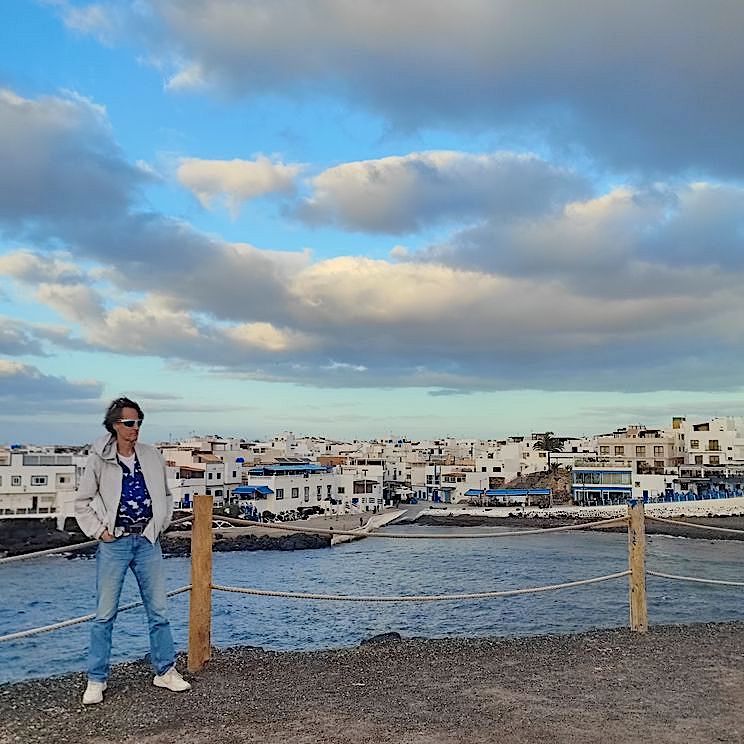
Ten minutes' drive from the centre, the 33-metre-high lighthouse tower over the wild coast. The combination of the red and white tower and the crashing surf makes for impressive photo opportunities. The ground floor houses a fishing museum, open Tuesday to Saturday from 10:45 a.m. to 5:00 p.m.

On a short circular walk with information boards explaining how the island was formed, I discover beautiful sandy bays and bizarre rock formations. Fossilised creatures lie everywhere – a paradise for amateur palaeontologists. An elderly lady sits knitting in front of her motorhome and greets me warmly. There are many such vehicles here, some with German number plates. Dropouts, digital nomads, people in search of freedom under the Canarian sun.
The breathtaking cliffs
On my way back to the town centre, I wanted to stop at Café Cactus near Marfolin sandy beach – unfortunately, it was closed over the New Year. Next time! I pass El Hotelito, a tiny hostel with only four rooms. Maybe that would be something for my next visit.
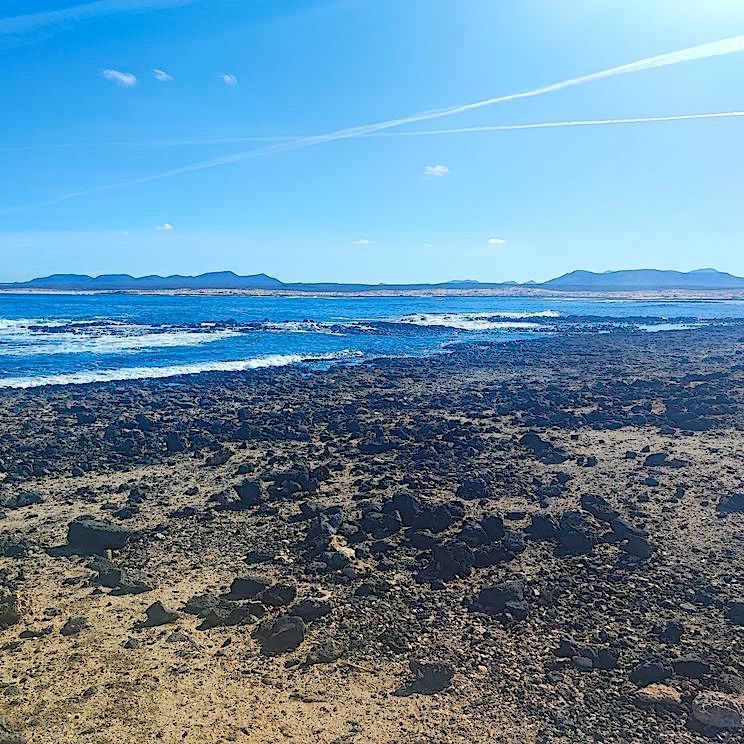
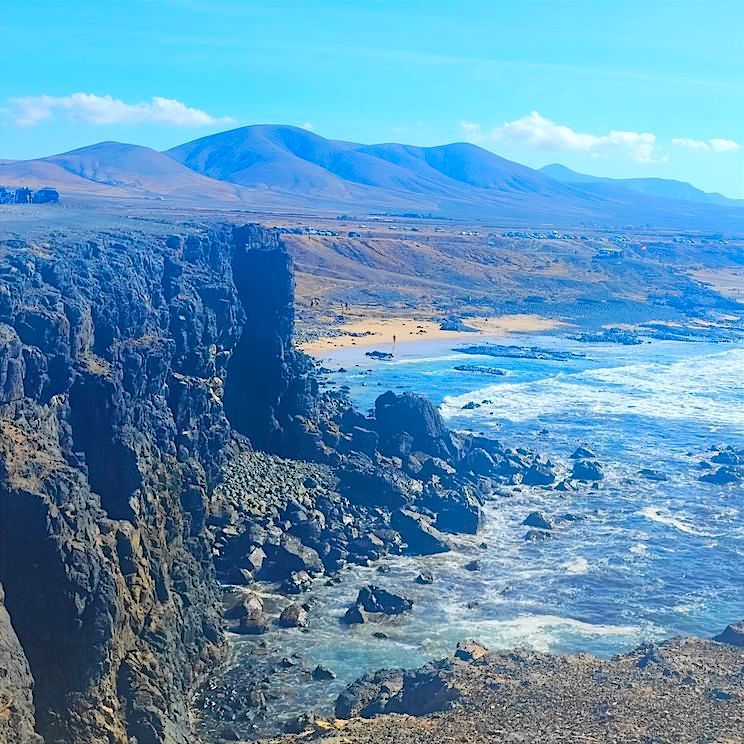
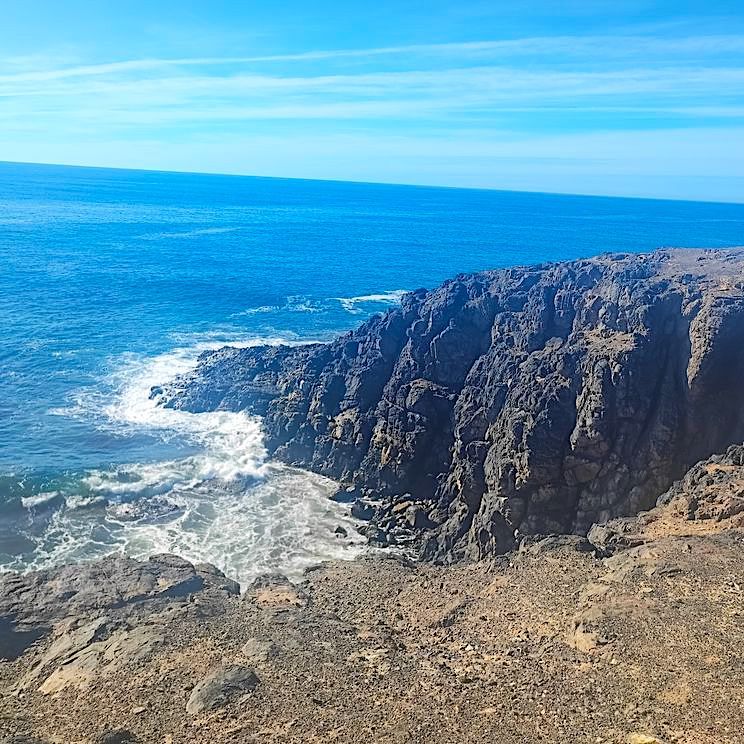
Shortly after passing the small town centre, I discovered the cliffs of El Cotillo. I am surprised that I have not been here before. The cliffs drop steeply into the sea, the spray splashes metres high, and the wind carries the salt up to me. Here you can feel the raw power of the Atlantic. Three boys have made themselves comfortable on a cliff – I seriously wonder how they got there.
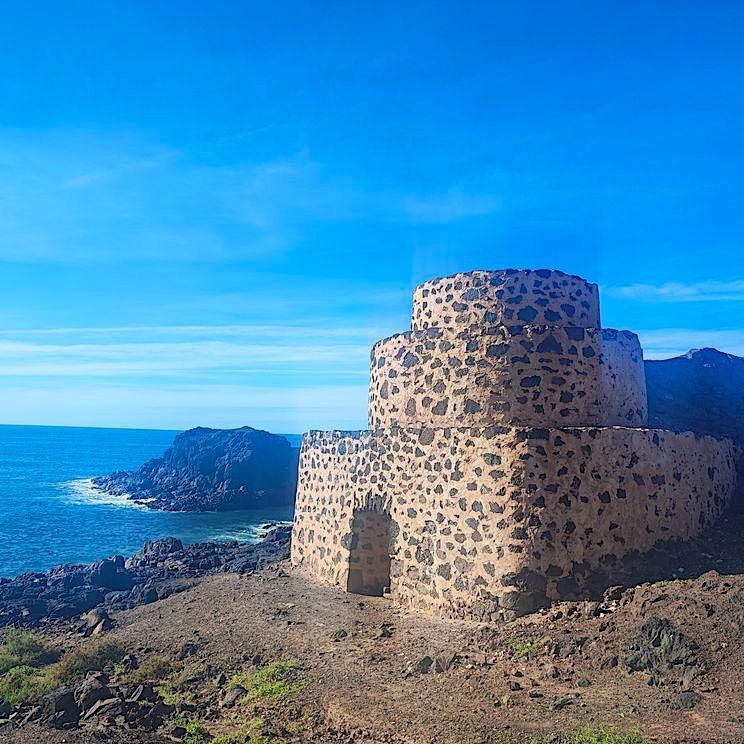
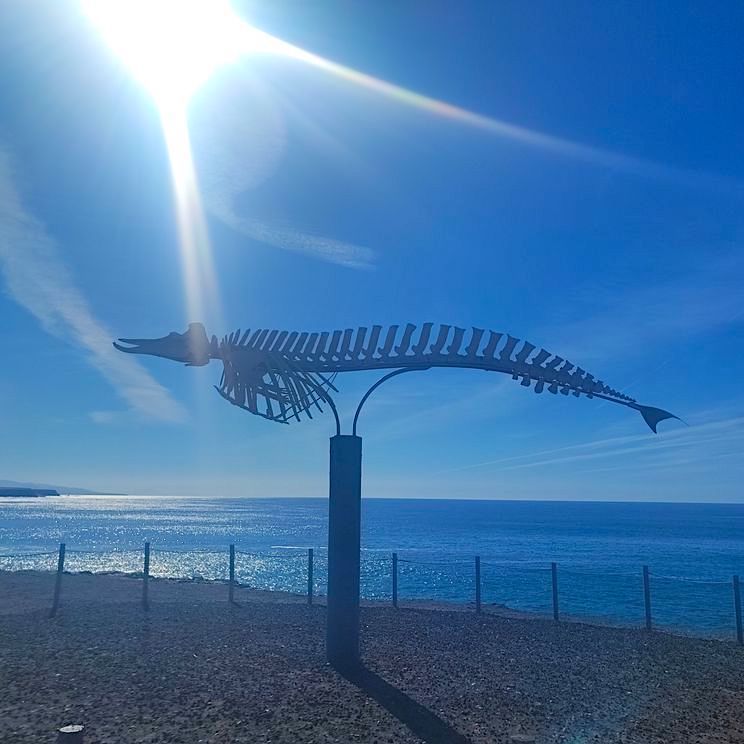
The Torre del Tostón, an 18th-century fortified tower, is a pretty photo opportunity. You can visit it during opening hours for €1.50 (as of January 2026) via a stone staircase and a small drawbridge with iron chains. Right next to it is an almost six-metre-long whale skeleton. The animal washed ashore in 2004 as a sad result of military exercises on the coast, which are now banned.
Culinary delights with a sea view
Time for a lunch break! I opt for the chic Nana with its pretty terrace and sea view. Fusion cuisine is the order of the day here, and even vegans will find something to their liking. I enjoy my meal with a view of the sea and am delighted with this very special New Year's Eve.

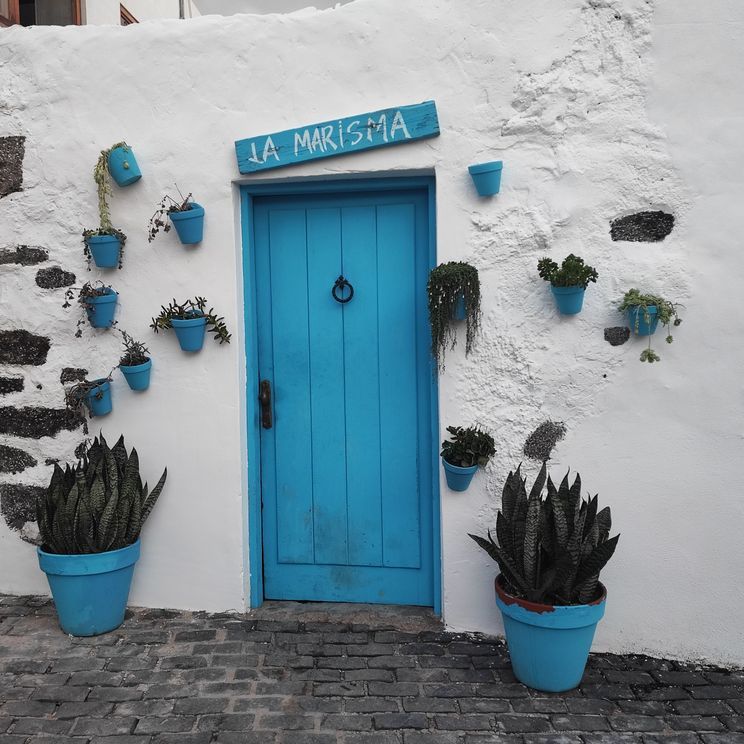
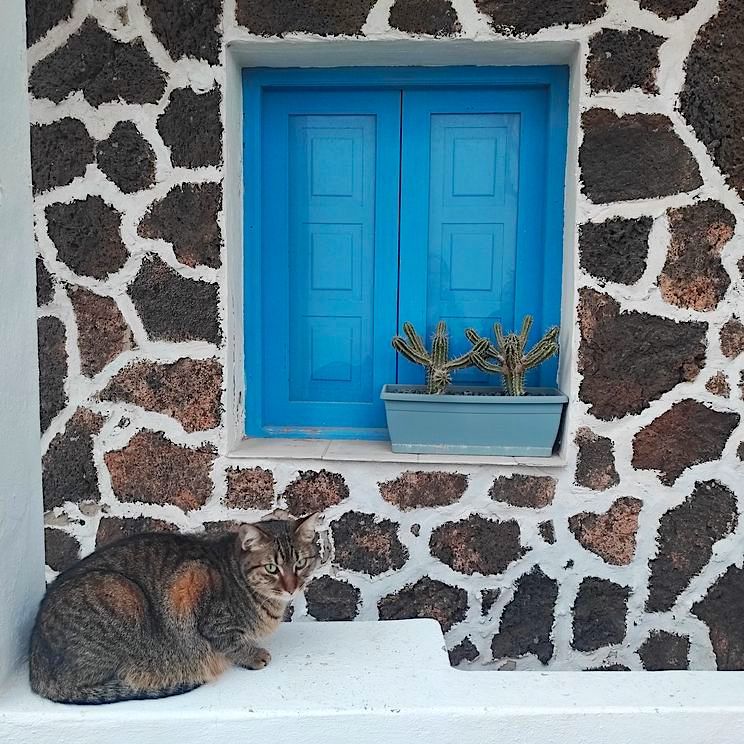
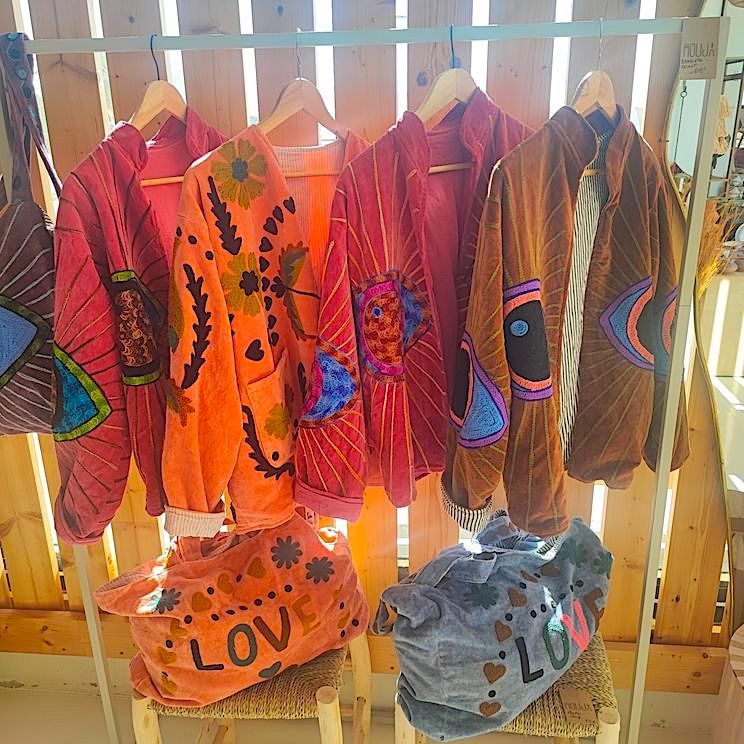
With just 1,500 residents, El Cotillo is more relaxed than nearby Corralejo. The boutiques offer a refreshing change from the typical big brands, and there’s even a small organic shop. A cat poses photogenically in a blue-shuttered window – Instagram calling! The few hotels here make holiday apartments a better fit for the area's laid-back charm.
Sunset by the sea
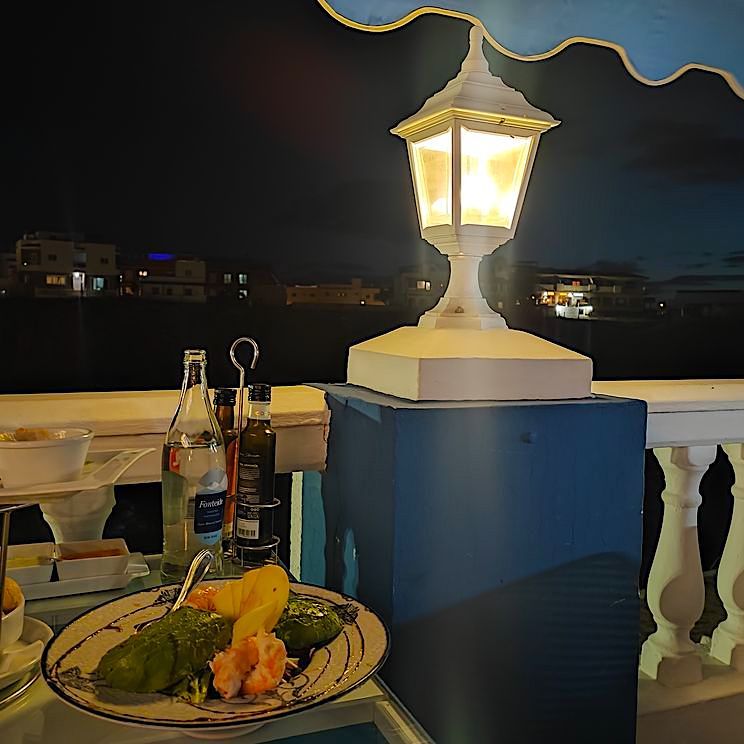
A few days later, I simply have to return to El Cotillo to watch the sunset. After a stroll along the promenade, I stop off at Vaca Azul, a restaurant right by the sea that is very popular with locals and specialises in fish dishes. The friendly owner tells me that the restaurant is moving a few metres further down the road in a few days. I'll check it out on my next visit.
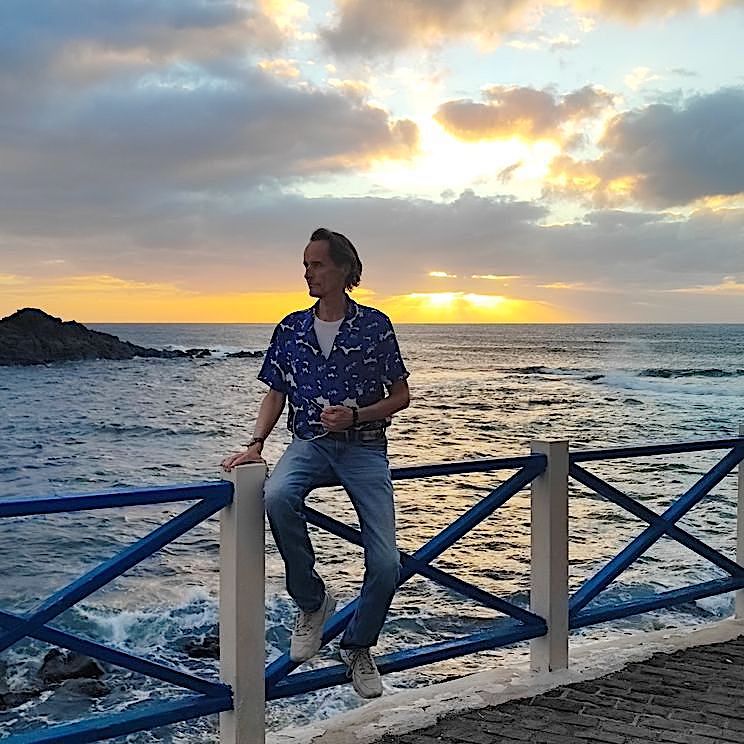
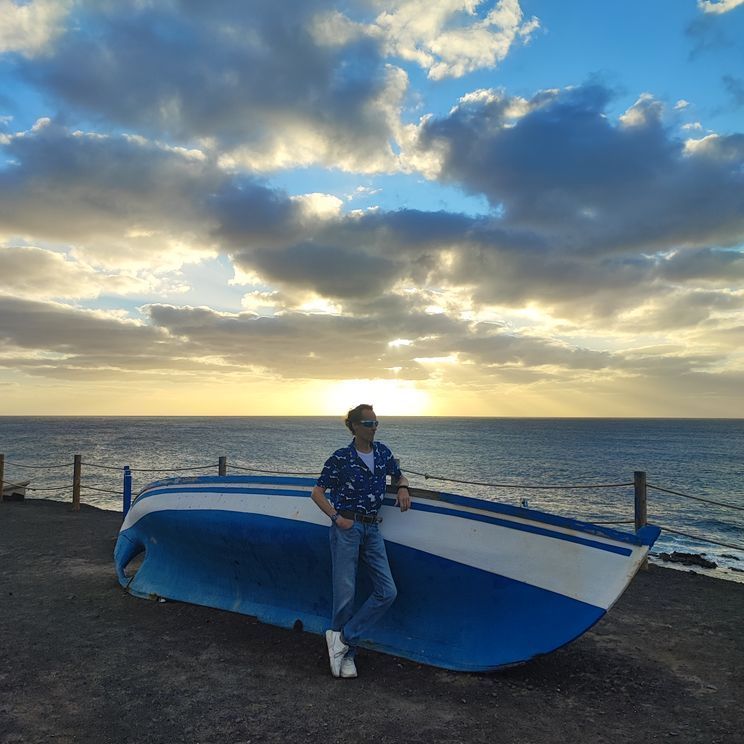
I sit on the terrace, order tapas, and watch the sun dip into the sea. Each sunset reminds me why Fuerteventura has become my place of power—a personal haven shaped by nature, light, and discovery.
Quiet alternatives: Villaverde and La Oliva
A good ten-minute drive from Corralejo is the somewhat sleepy village of Villaverde – ideal for escaping the tourist hustle and bustle. I wanted to check out two small rural hotels, but unfortunately, they were closed over New Year's Eve/New Year's Day. Definitely a good alternative for guests seeking peace and quiet.
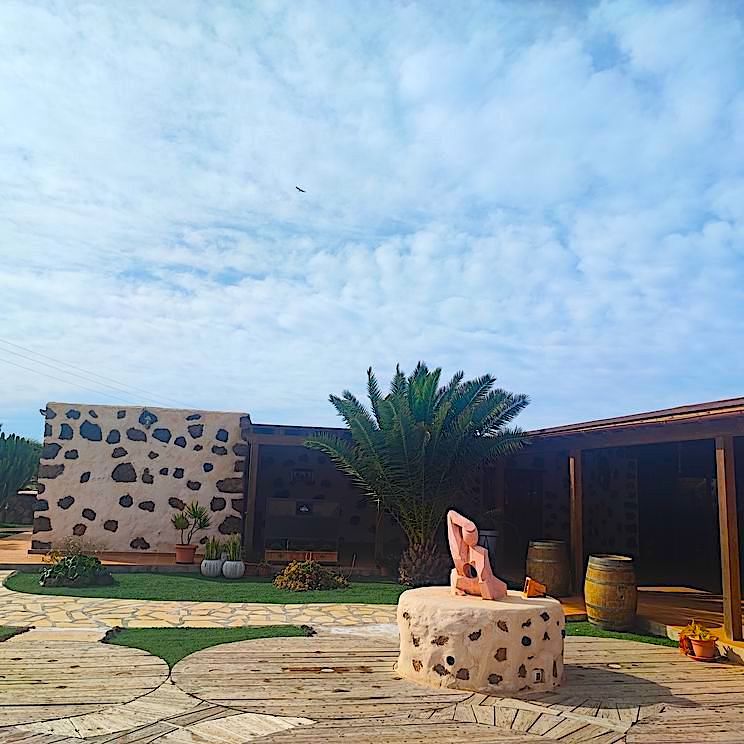
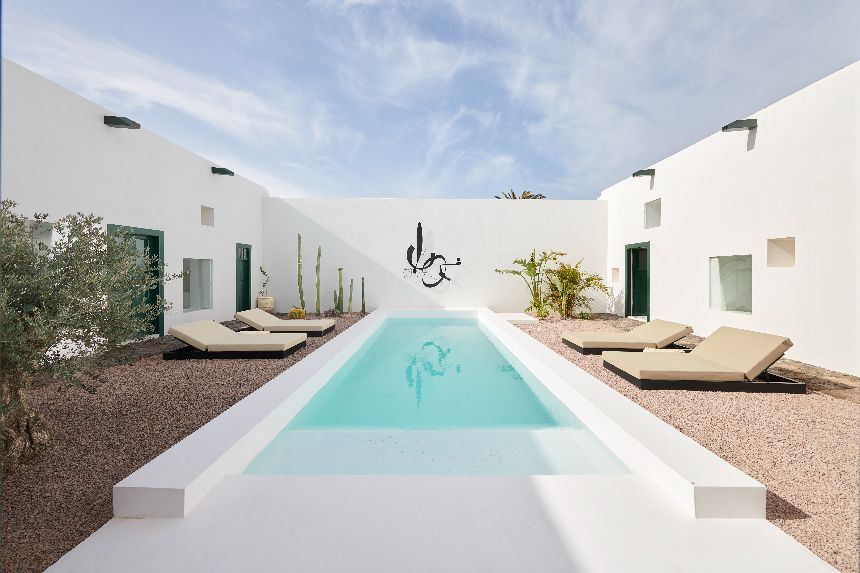
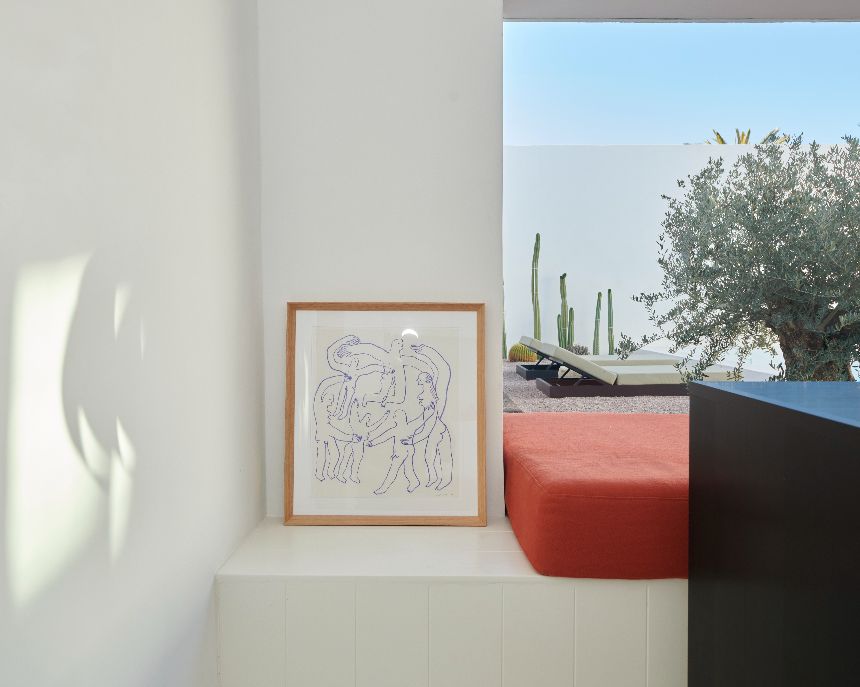
The chic Casa Montelongo in the equally quiet neighbouring village of La Oliva is quite extraordinary. I was impressed by the combination of traditional architecture, art, and modern design – it's definitely going on my list for my next visit. A hire car is essential here, of course, but you can reach the beaches of El Cotillo or Corralejo in about 15 minutes.
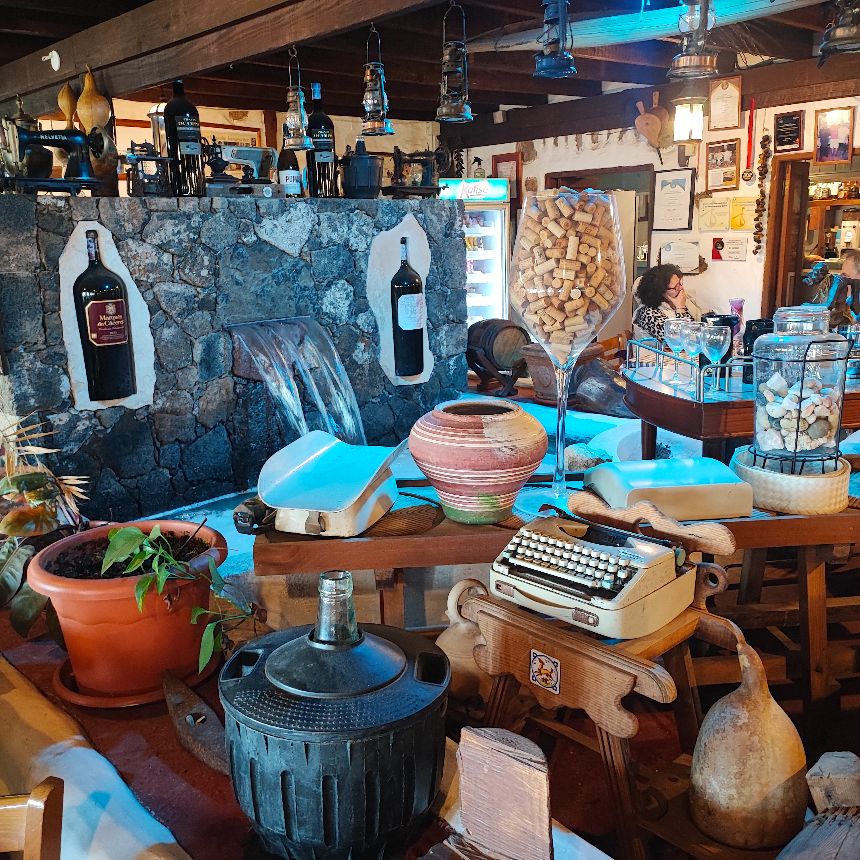
There are a few good restaurants in Villaverde. I really liked El Horno, which is very popular with locals, with its interesting interior and Canarian food. Of course, I enjoyed my beloved ‘papas arrugadas’ here again – potatoes with their skins on and two spicy sauces, which for me are a must on every visit to Fuerteventura.
Betancuria: The most beautiful journey through time on the island
It's hard to believe, but Betancuria was the capital of Fuerteventura from 1404 to 1834. Today, fewer than 1,000 people live in this tranquil mountain village, which is a must-see on any Fuerteventura itinerary.
In addition to the little church of Santa Maria de Betancuria, the village boasts numerous pretty cafés and restaurants.

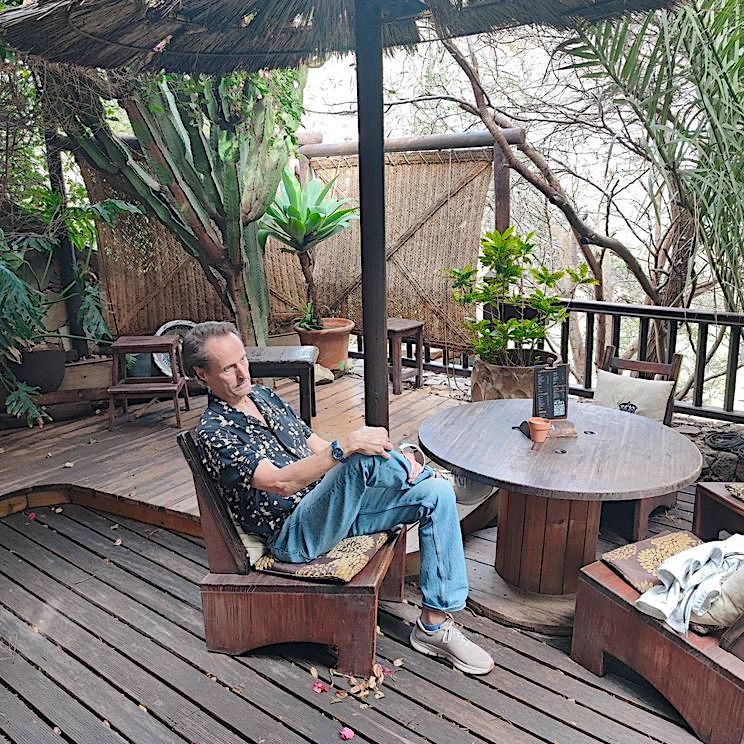
On my way to La Pared, I treat myself to a coffee at La Sombra – perhaps the most beautiful restaurant in the village with a tropical-style garden. Palm trees cast shadows on the tables, cacti bloom in bright colours, and for a moment it feels as if I have landed in an oasis.
Important: there is no petrol station in Betancuria! You can fill up in either Antigua or Tuineje, both about 15 minutes away by car.
Panoramic views that take your breath away
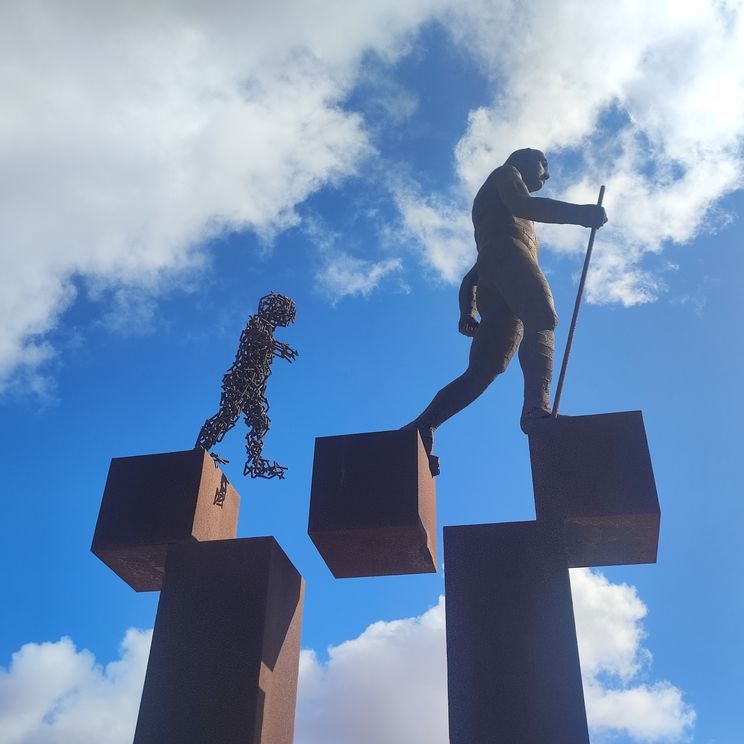
Shortly before Betancuria, the road leads to the Mirador Morro Velosa at an altitude of 650 metres. It's definitely worth stopping here to take some photos. On a clear day, you can even see the dunes of Corralejo in the distance. The statues in the Valle de las Cuevas are also impressive, as are those of the Guanche kings Guyse and Ayose, a little further on, which are impossible to miss.
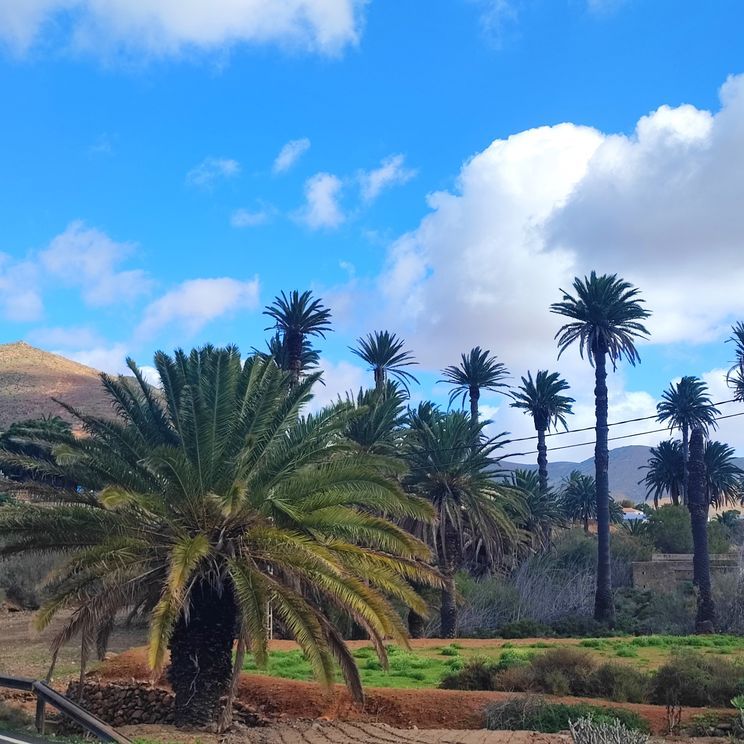
Palm trees in Barranco Río Palmas
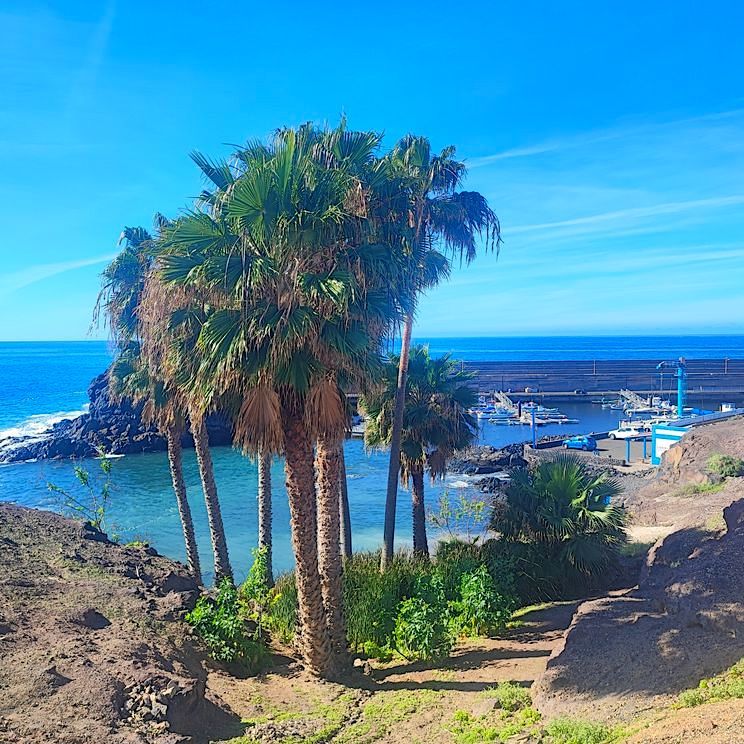
I make another stop on the way to La Pared in the municipality of Vega de Río Palmas, located in the fertile Barranco. The many Canary Island date palms and tamarisk trees are striking – unusual for the otherwise dry Fuerteventura.
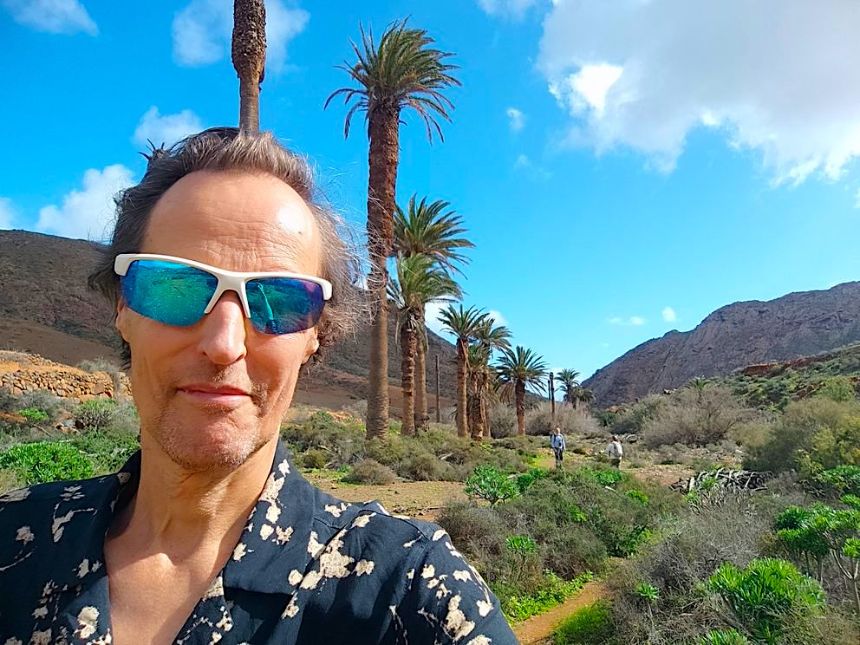
A good kilometre away, you can turn right onto the main road to Barranco de las Peñitas. Here, the palm trees find enough groundwater to thrive. The narrow gorge, with its steep rock faces and water basins, is spectacular – no wonder this area has been the setting for numerous films, such as ‘Exodus’.
Mirador Las Peñitas: Birds of prey and wild goats
You can't miss this viewpoint on the way from Betancuria to Pájara. The view over the Barranco de Río Palmas to the Atlantic Ocean is breathtaking. With a bit of luck, you'll spot impressive birds of prey circling above the gorges.
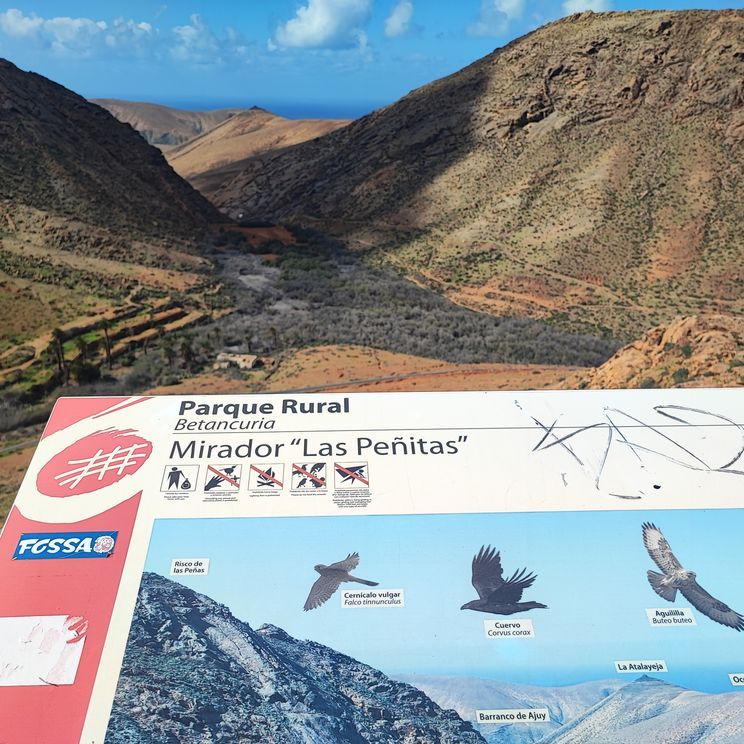
I keep seeing wild goats on the winding road. Fuerteventura used to be called ‘Isla de las Cabras’ – the island of goats. I was also impressed by the cyclists struggling up the road. Palm trees keep popping up from the rugged mountains. At the bottom of the valley, I can see isolated farmsteads. Do people really live there? Apparently, there are residents of Fuerteventura who have never seen the sea.
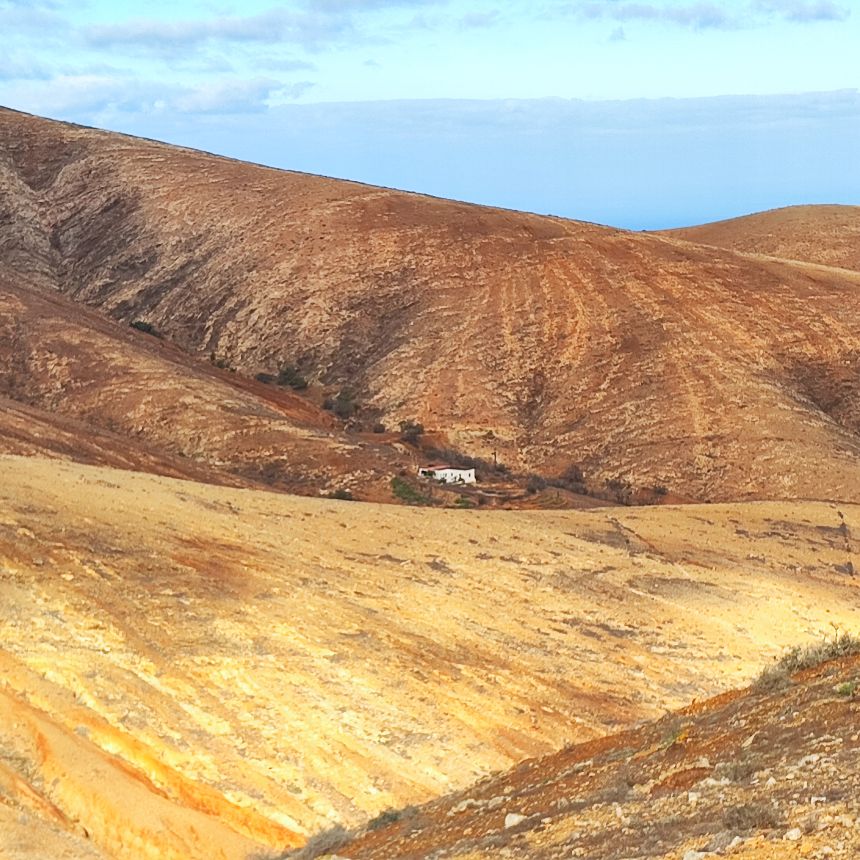
I had planned to have lunch in picturesque Ajuy on the coast, which I had already visited in 2023. Epiphany threw a spanner in the works – on this important Spanish holiday, only a few restaurants were open, and they were very busy. In my 2023 report, you can find photos of Ajuy and the impressive caves.

La Pared: Surfer's paradise with microclimate
The journey continues through breathtaking volcanic landscapes to La Pared in the south. A stop at the Mirador de Sicasumbre near Pájara is a must. At an altitude of 231 metres, the viewpoint not only offers spectacular views but also scientifically sound information on stargazing. Information boards explain the positions of various constellations, and for ambitious sky observers, there are facilities for installing telescopes or cameras.
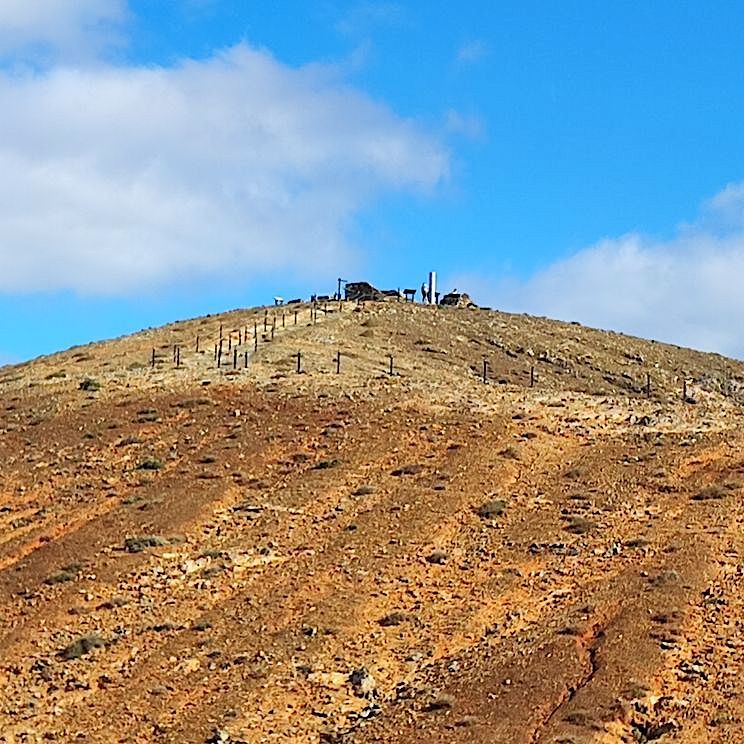
During my visit, there will be very strong winds – a warm jacket is recommended.
A place for surfers and sun worshippers
It's only a short distance from Mirador de Sicasumbre to La Pared. I almost miss the turn-off from the main road because the gravel track looks a bit dodgy. After about 150 metres, I reach the main road with palm trees and pavements.
Apart from a hotel complex and colourful private bungalows, many of which are rented out to holidaymakers, there is not much here. As I get out of the car, I notice a surfer with – no joke – dreadlocks that reach almost to the ground. Surfers are a special, cool bunch.
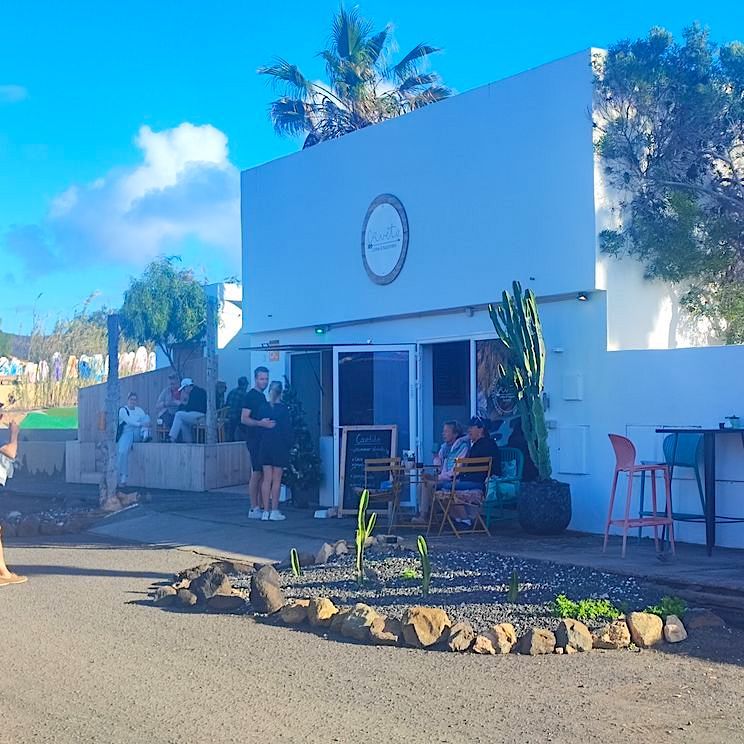
To my great delight, I discovered the pretty Caveto Café. I met Verena, the friendly German owner, who has been living on ‘Fuerte’ for ten years. There is little time for a chat, as I am by no means the only guest today. I ordered a smoothie, a bowl, and an espresso. There are no more seats available on the small terrace, so I sit down on a wall. When two ladies get up from their table, I quickly take their place. The coffee tastes even better now!
Magical cliffs
Then I am drawn to the cliffs above the sea. The view of the famous Cofete mountains takes my breath away. Once again, a very strong wind blows, almost snatching my camera out of my hand. However, that doesn't stop me from taking photos of the roaring sea and the surfing beaches. It's too dangerous to swim here – the currents are treacherous.
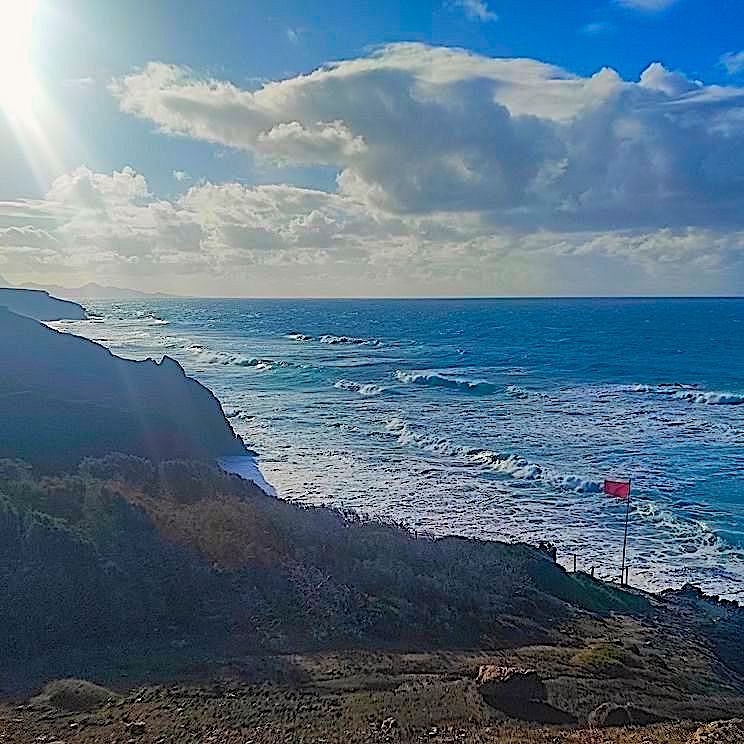
What a magical place! La Pared is also renowned for its microclimate. The balanced and slightly fluctuating temperatures are said to be ideal for people with respiratory diseases.
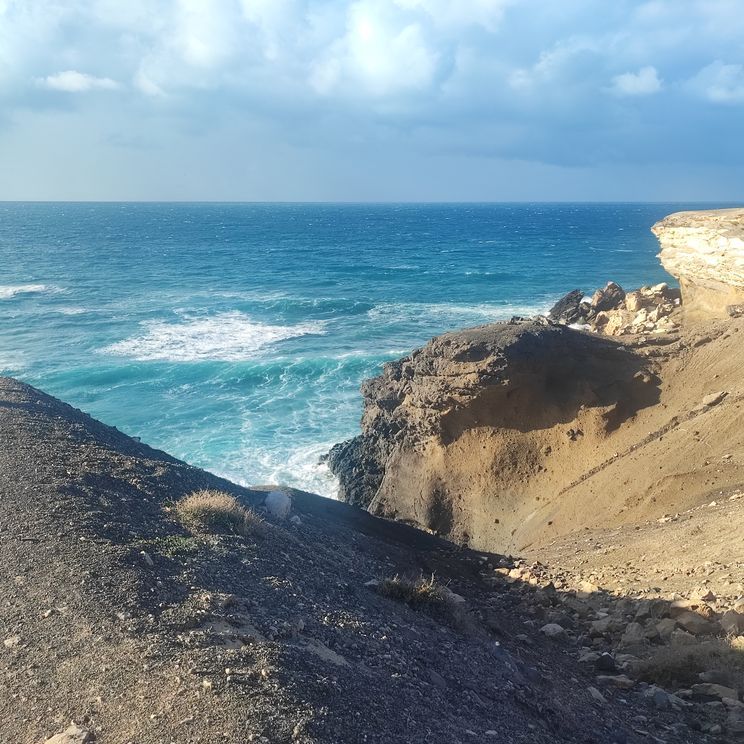
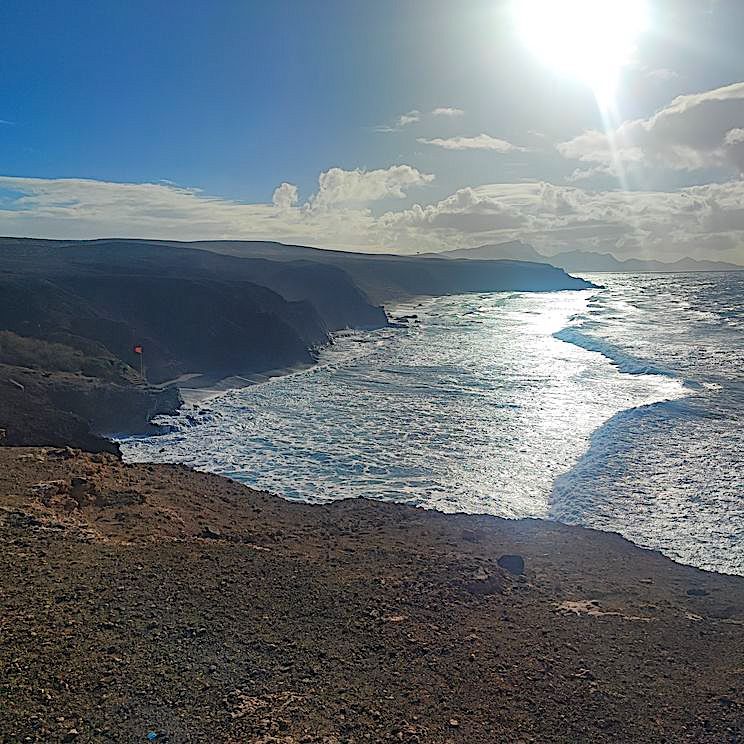
My route on this day: Puerto del Rosario – Mirador de Vallebrón – Vega de Río Palmas – Betancuria – Pájara/Ajuy – Mirador de Sicasumbre – La Pared. The route can be completed in 6 to 7 hours, including recommended breaks and sightseeing stops. The return journey to Puerto del Rosario takes just over an hour on the well-maintained roads to the west coast.
Pozo Negro: A tranquil Sunday
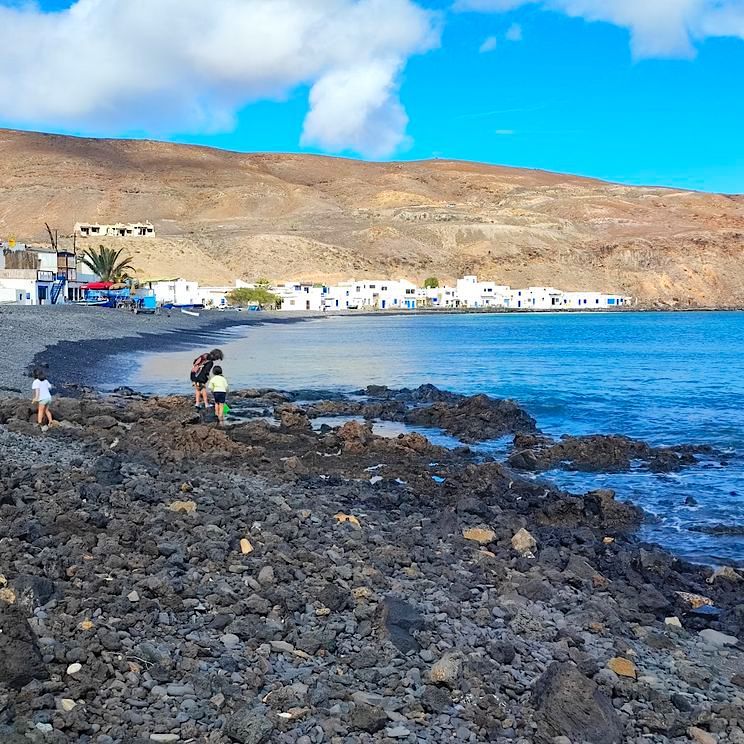
Another excursion takes me to Pozo Negro on the east coast, about a 30-minute drive south of Puerto del Rosario. This remote fishing village is rarely visited and has a black lava pebble beach.
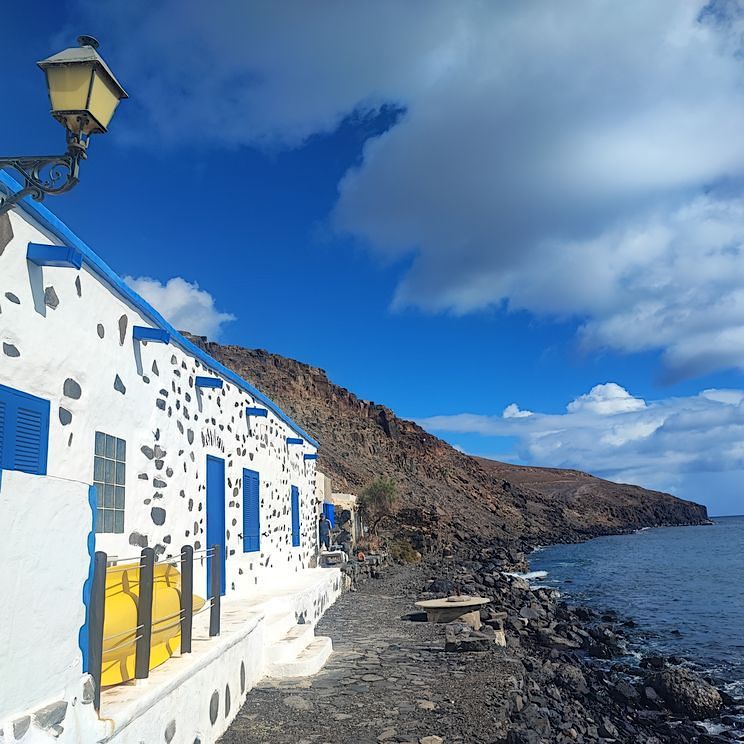
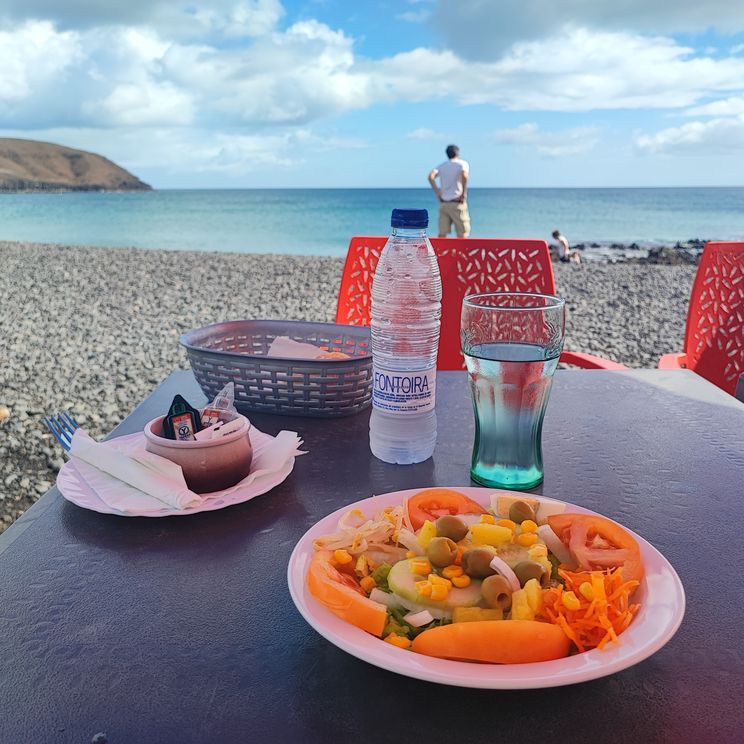
There are two simple restaurants right on the beach. In one of them, I enjoy a delicious tortilla with a view of the sea, which is very close by. A few children play on the beach while their parents relax in the sun. Such a heavenly tranquillity – ideal for a relaxing Sunday. To finish off, the restaurant owner serves me a schnapps. Salud!
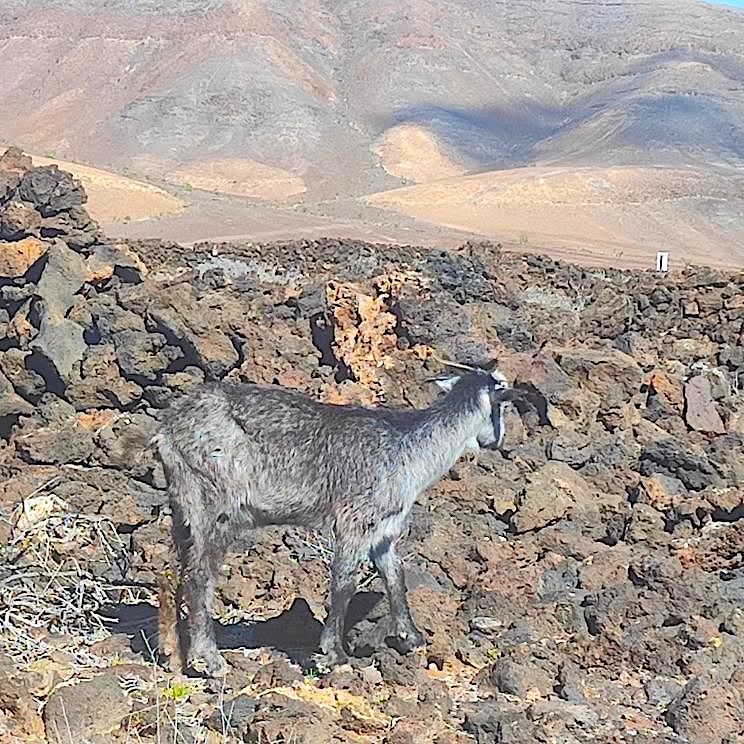
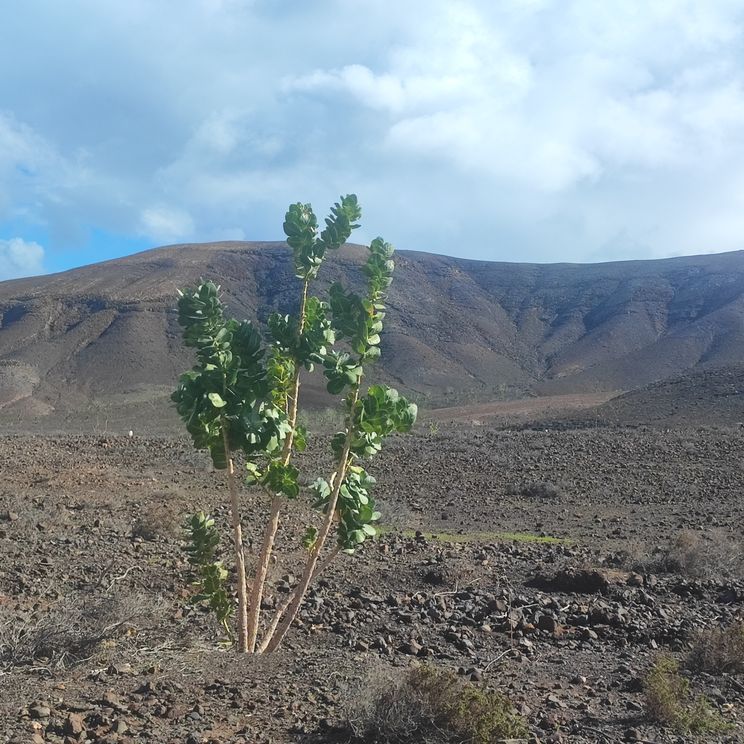
Tip: On the way to Pozo Negro, the archaeological site of La Atalayita is worth seeing (accessible via a gravel road). Here you will find remains of the indigenous people and wild goats in a true lunar landscape. On this day, I am alone with the pretty goats – it's good for the soul!
Practical information
Getting to Fuerteventura
The international airport is 5 km from the capital, Puerto del Rosario. All major British charter airlines fly to the island in just over four hours. Ferries run regularly to the neighbouring islands from Morro Jable in the south and Corralejo in the north.
The weather on Fuerteventura
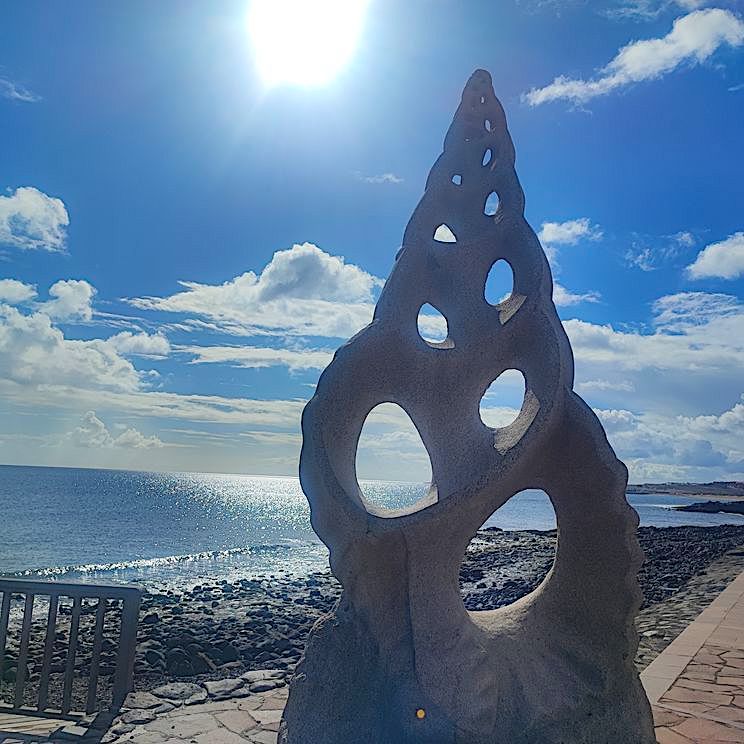
The climate in the Canary Islands is considered one of the best in the world – it's not for nothing that they are called the ‘islands of eternal spring’. Fuerteventura has an average of only 5 rainy days a year, and there are no really cold days here. You can swim in the sea all year round.
The only unpleasant time of year is during the few weeks when the ‘Calima’ arrives – a desert wind from the Sahara that brings heat and lots of sand dust. I remember seeing cars covered in dust in the past.
Accommodation on Fuerteventura
There is a wide range of accommodation options. On the Patronato de Turismo de Fuerteventura website, you will find all the options, including the so-called ‘alojamientos rurales’ – rural accommodation.
My recommendations:
• In Puerto del Rosario: Hotel Mirador de Fuerteventura (formerly a Parador) in a prime location by the sea
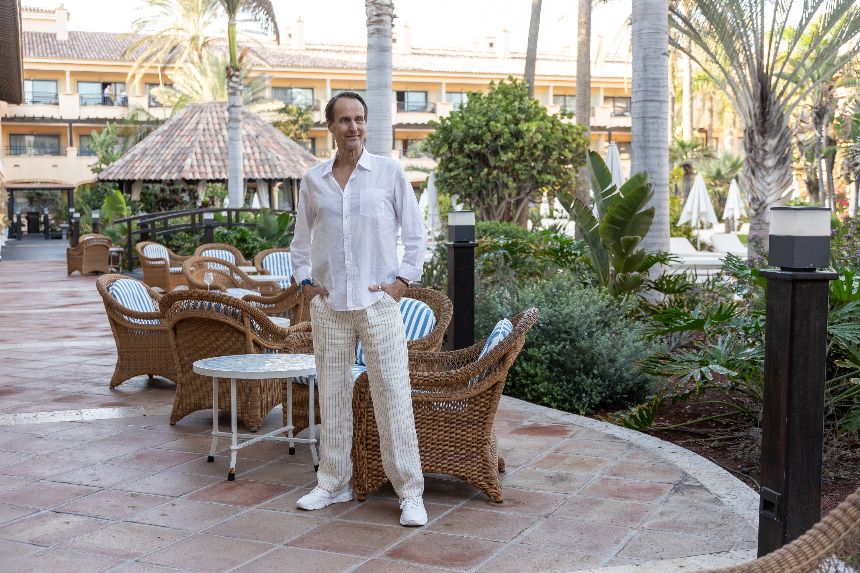
• Upscale segment: Secrets Bahía Real Resort & Spa in Corralejo – still considered the best hotel on the island
• Near the airport: Sheraton Fuerteventura Golf & Spa Resort in Caleta de Fuste
• My favourite for my next visit: Casa Montelongo in La Oliva with an interesting mix of traditional architecture, art, and modern design

Getting around Fuerteventura
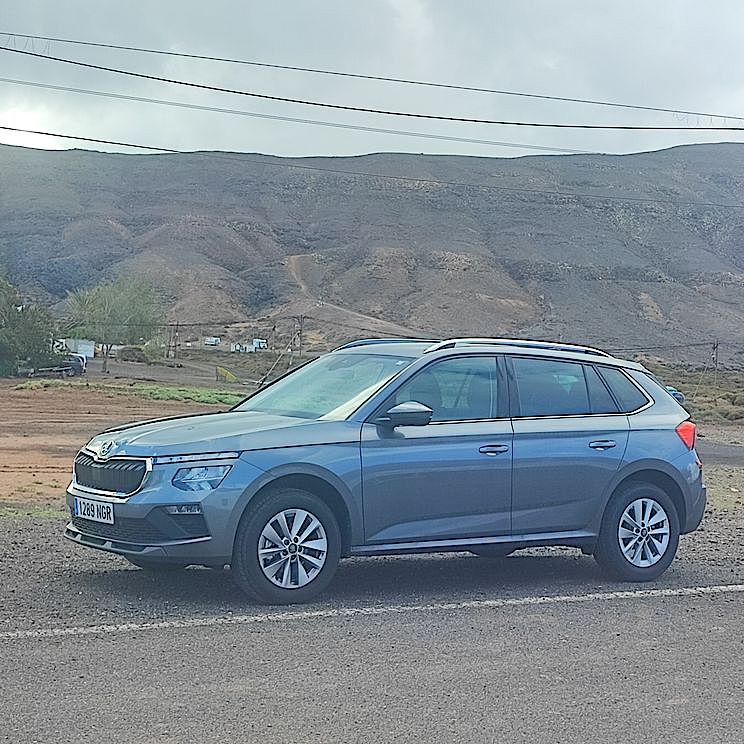
Fuerteventura has a good bus network with 17 lines connecting the island's northern and southern parts. However, I recommend renting a car or even a jeep. With a few exceptions (e.g., Cofete), the roads are well developed. For the more athletically inclined, a bicycle is recommended.
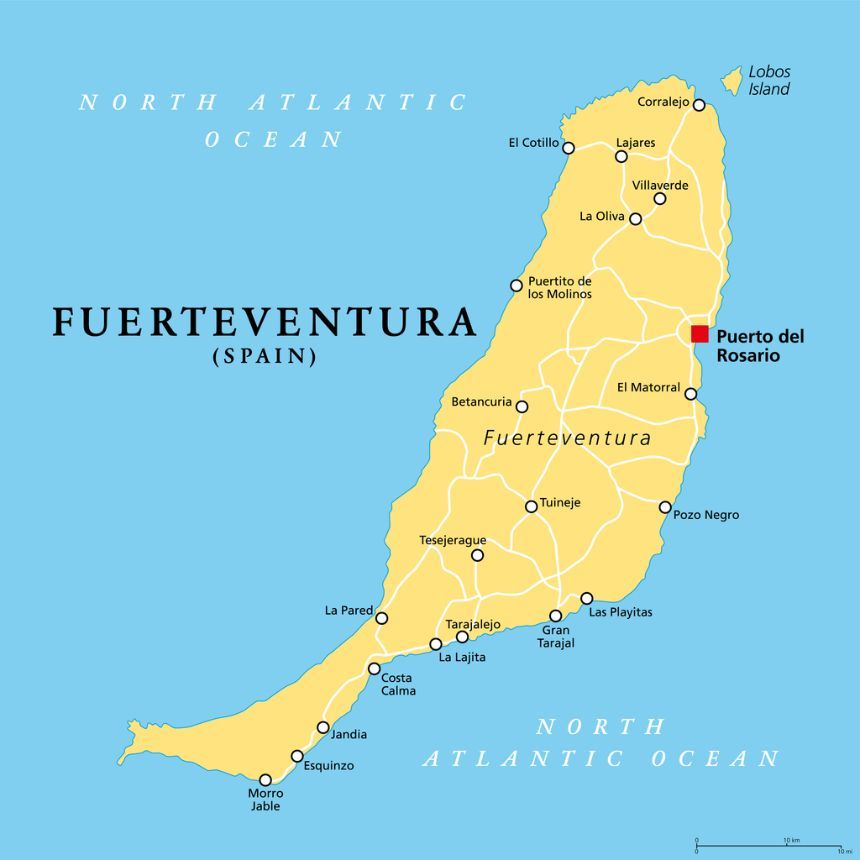
The most important distances from the airport:
• Corralejo: 39 km, aprox. 40 minutes
• Morro Jable: 84 km, approx. 1 hour 15 minutes
• Costa Calma: 65 km, approx. 60 minutes
• Caleta de Fuste: 8 km, approx. 10 minutes
Further information about Fuerteventura can be found on the Patronato de Turismo website.
Your Fuerteventura stories
Have you ever been to Fuerteventura? If so, tell me about your favourite places on this extraordinary island. I'm eager to hear about your experiences!
P.S. Many thanks to the Patronato de Turismo and Sandra Waldherr Hansen, Sales Director at Secrets Bahía Real Resort & Spa, for all their tips. My trip was supported by the Patronato de Turismo de Fuerteventura, which provided a rental car. However, this did not influence my reviews in any way. I paid for the hotels and meals myself.
I combined this trip with a short stay in Las Palmas de Gran Canaria, one of my favourite cities. In 2023, I wrote an article about the largest city in the Canary Islands. If you are also interested in the neighbouring island of Lanzarote, take a look at my travel report.