Cascais Travel Guide: Beaches, Bond & Fishing Charm
Discover Cascais & Estoril: royal history, James Bond's birthplace, golden beaches, and fishing-village charm on Portugal's stunning Lisbon coast
Cascais & Estoril: Between Fishing-Village Charm and Espionage Glamour
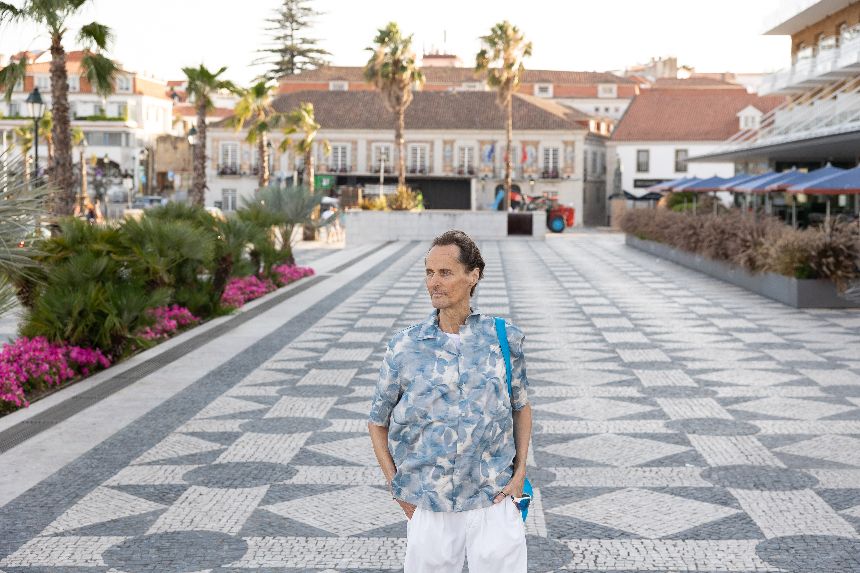
Off to Cascais
I first visited Cascais (pronounced "kash-kaish") in 2015. I liked it so much that it was high time for another visit in June 2026. Hard to believe, but at that very moment Central Europe was in the grip of a heatwave that spared me entirely in Cascais. I thoroughly enjoyed the pleasant summer temperatures and, above all, the slightly cool evenings.
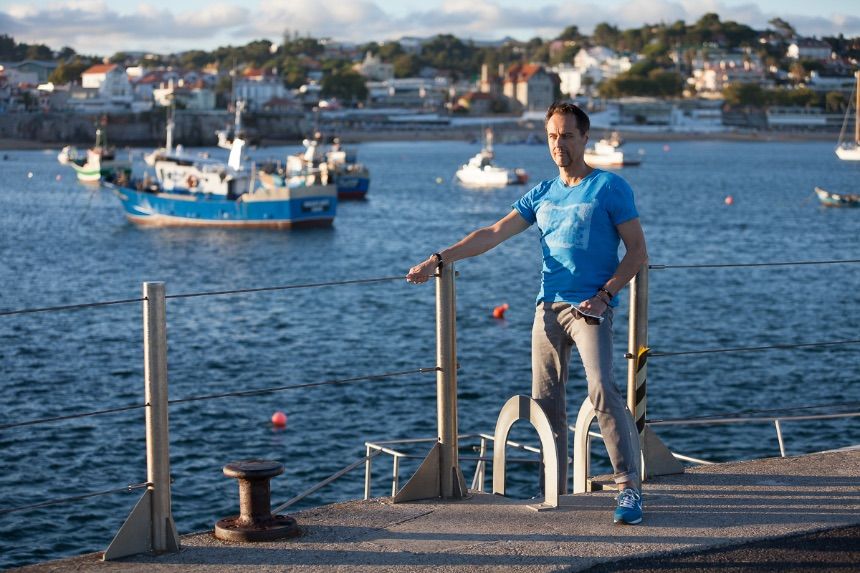
Seeing the Coast from Above
A helicopter flight with Portugal Helicopters was a fantastic start to my trip. Their base is in Algés, just north of Lisbon. Under a brilliant blue sky, I flew as the sole passenger in a state-of-the-art helicopter over the coastline north of Lisbon and fell into a genuine photo frenzy. Behind me lay the famous 25 de Abril Bridge, which bears a strong resemblance to the Golden Gate Bridge in San Francisco, and ahead of me the coast with its picturesque towns and mountains in the background. In short — a perfect start to a wonderful trip!
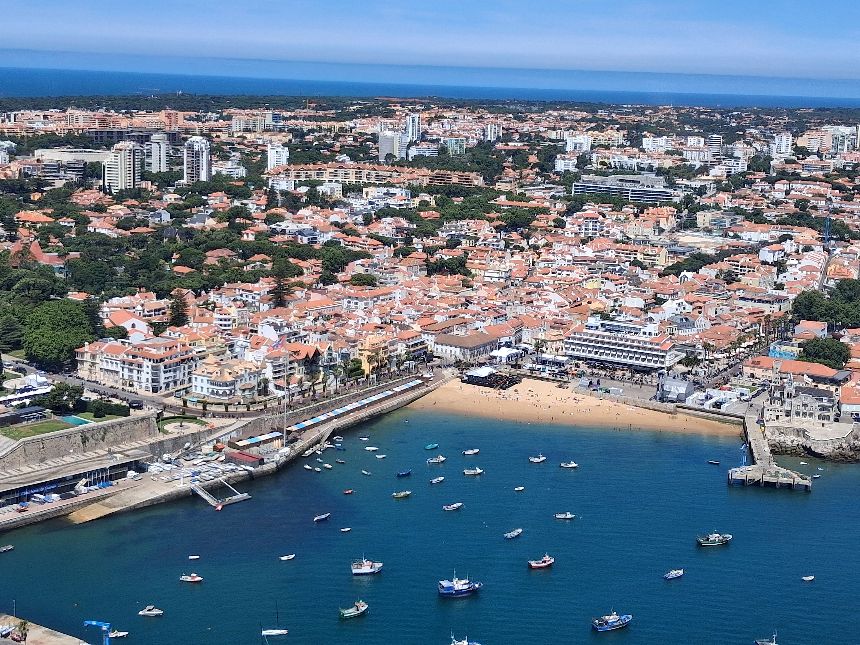
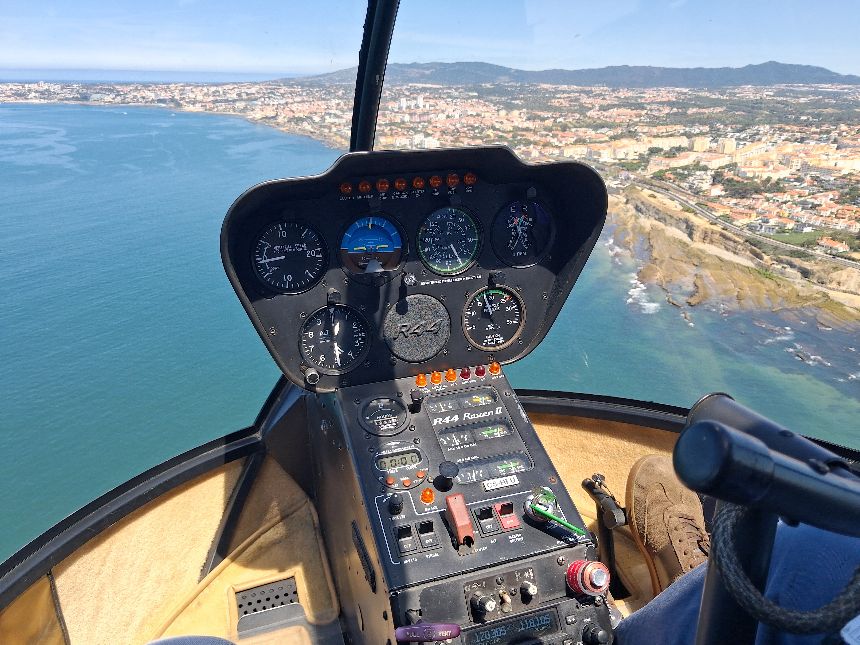
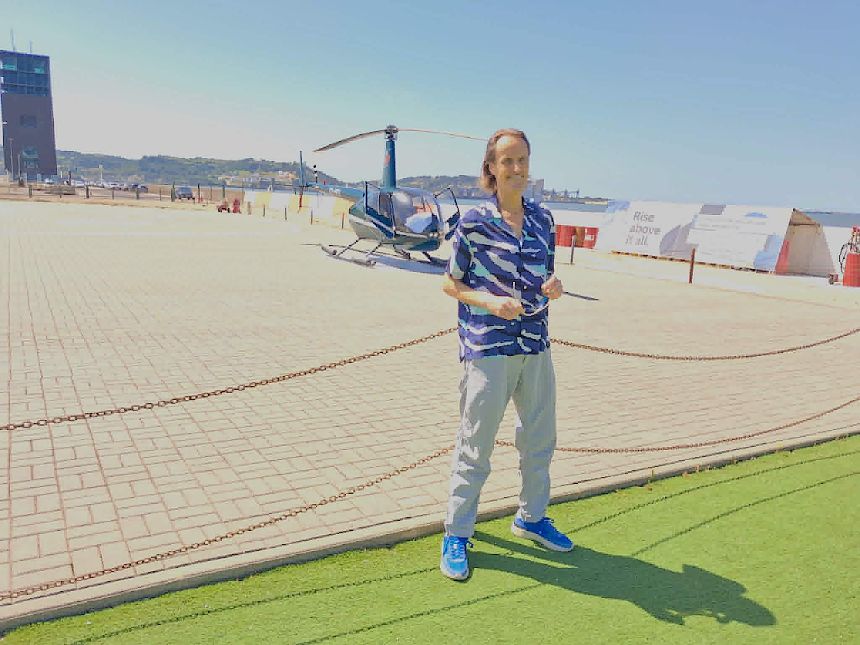
You can book this and many other flights directly through Portugal Helicopters — well worth it!
After a delicious fish luncheon at Eduardo das Conquilhas, I checked into the four-star Vila Galé hotel in Estoril. More on that later.
Estoril — Plenty of Yesterday's Glamour
Estoril, rich in tradition, blends seamlessly into Cascais, though I liked Cascais even more. Here are the activities worthwhile in Estoril:
1) A stroll through the casino gardens — the casino is considered the largest in Europe. In the evening it's spectacularly lit up. If, like me, you're not a gambler, you can enjoy a drink at the bar or catch a show.
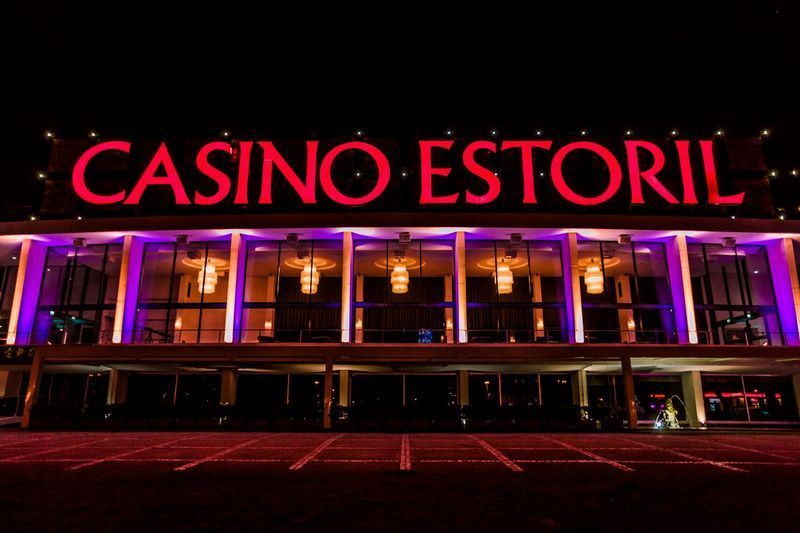
2) A walk along Estoril's beach promenade is of course a must. Some of the somewhat aged buildings hint at why the town was so popular with high society in the 1950s.

3) James Bond and Estoril
The venerable Palácio Estoril Hotel & Golf was built in 1930 and has a fascinating history. In the 1950s, it was frequented by international spies — reportedly up to 3,000 were in Estoril at the time — including Ian Fleming, who invented his famous character James Bond here, inspired by the spy Popov. The first James Bond novel, "Casino Royale," was written here in 1953. In 1968, "On Her Majesty's Secret Service" was filmed here, and the lead actors, George Lazenby and Diana Rigg, stayed at the Palácio Estoril.
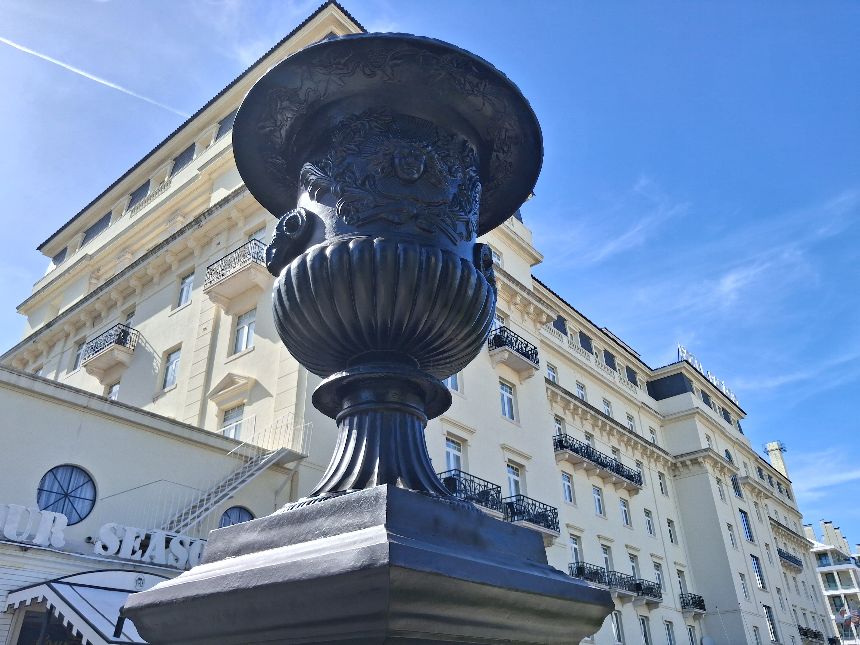
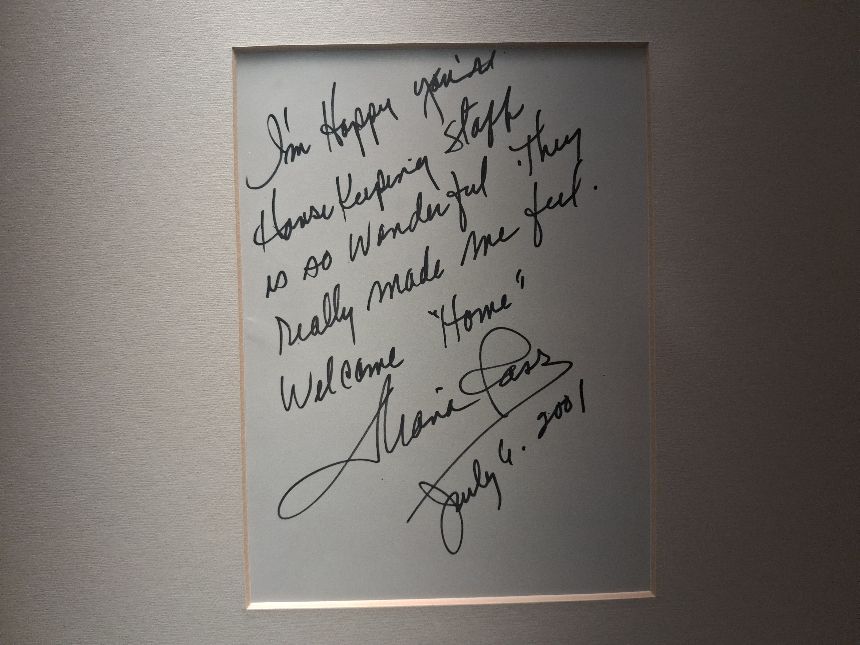
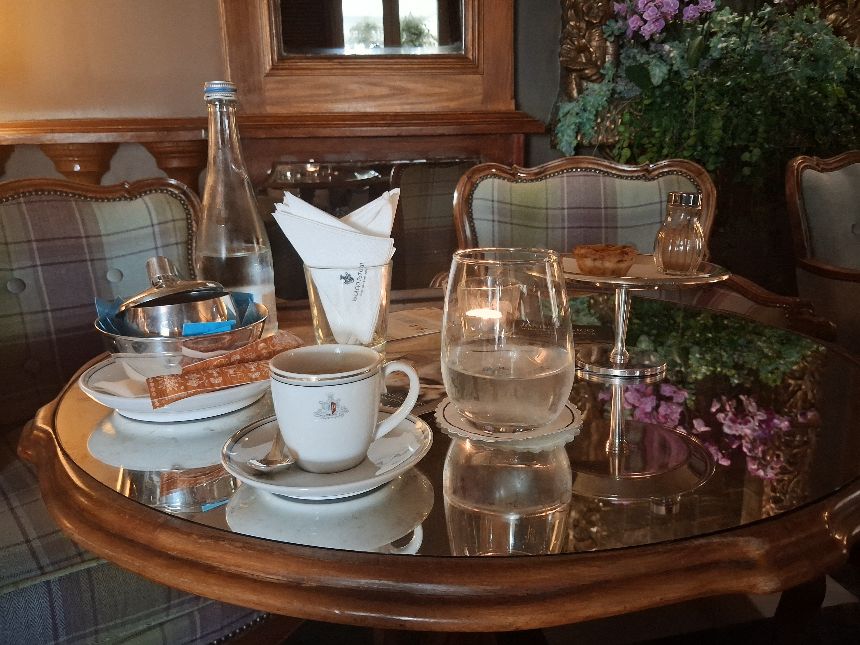
I treated myself to a coffee at the hotel's "old school" bar, served with great style by an attentive waiter. My double espresso and water, served with a Pastel de Nata so typical of Portugal, came to €8.50. On Düsseldorf's Königsallee I'd pay almost double that. Afterward I looked through the many photos of crowned heads, movie stars, and singers, including Grace Kelly, Diana Ross, Joan Baez, and Gina Lollobrigida. The small museum is also worth a visit. Incidentally, the Palácio Estoril also has an excellent wellness center.
Hotel Tip: Vila Galé Estoril
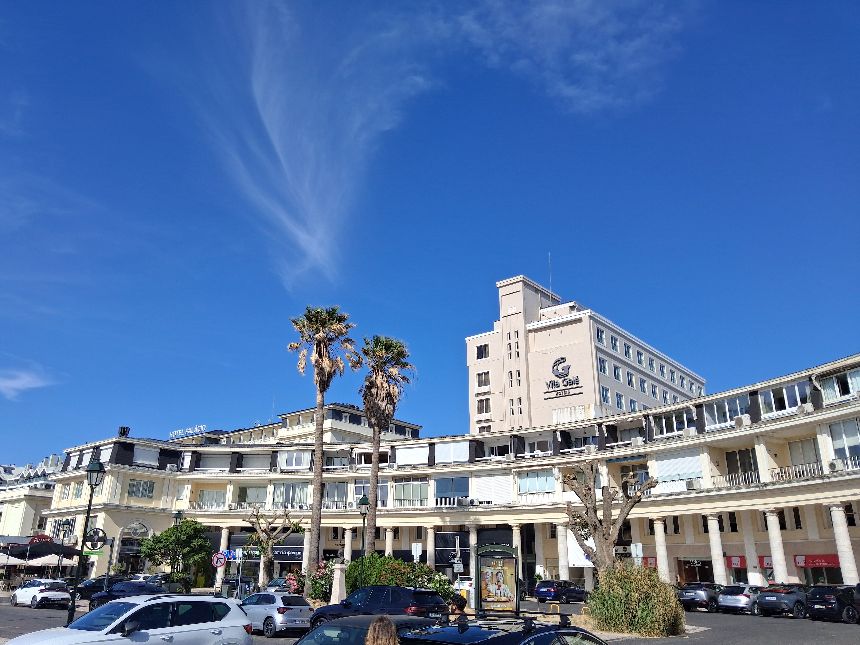
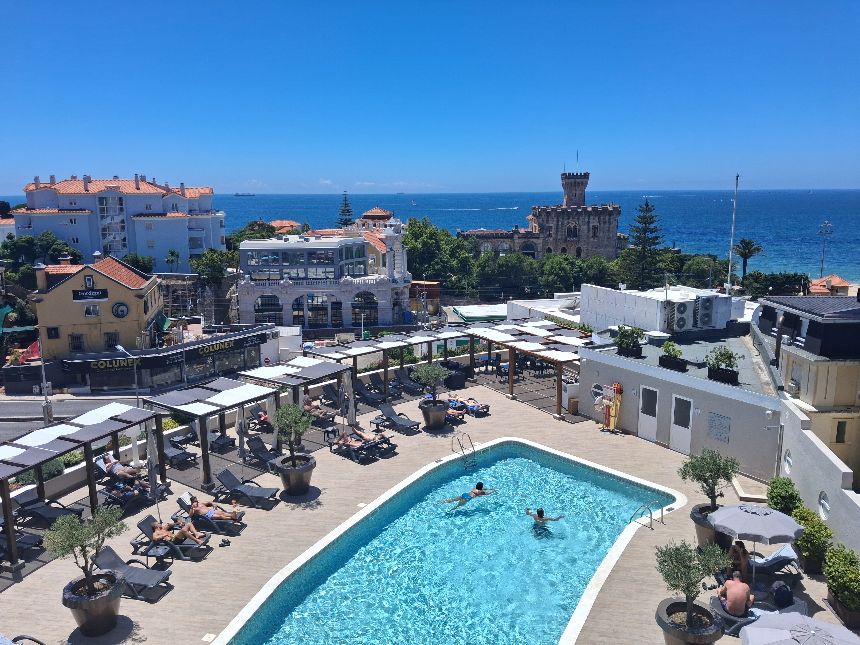
The Vila Galé Estoril mentioned earlier is located right next door. I felt very much at home here, thanks to friendly staff, a good breakfast, and a lovely pool area. From my comfortable room, the view out to the sea was magnificent.
By Train to Cascais
It's only a few minutes' walk from the Vila Galé to Estoril's historic train station. From there, trains run to Lisbon and to Cascais, which is reached in just a few minutes along a route hugging the coast (ticket €2.00 per ride — as of June 2026). Alternatively, you can stroll to Cascais along the beach promenade in 20 to 30 minutes — or take a taxi for around €6 (as of June 2026).
Colorful Bustle at the Cascais Market
Right near the Cascais train station is the huge, well-worth-seeing market hall. Alongside plenty of local produce and, of course, all kinds of seafood, you'll also find a few modern restaurants and bars here, plus a charming inner courtyard with craft stalls. The market opens as early as 6:30 a.m., and stalls close at 2 p.m.
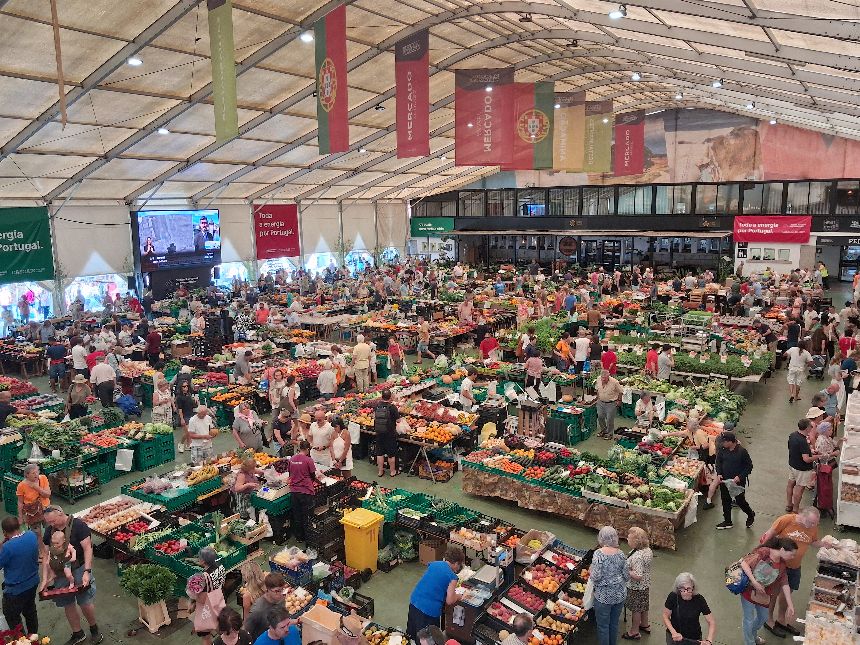
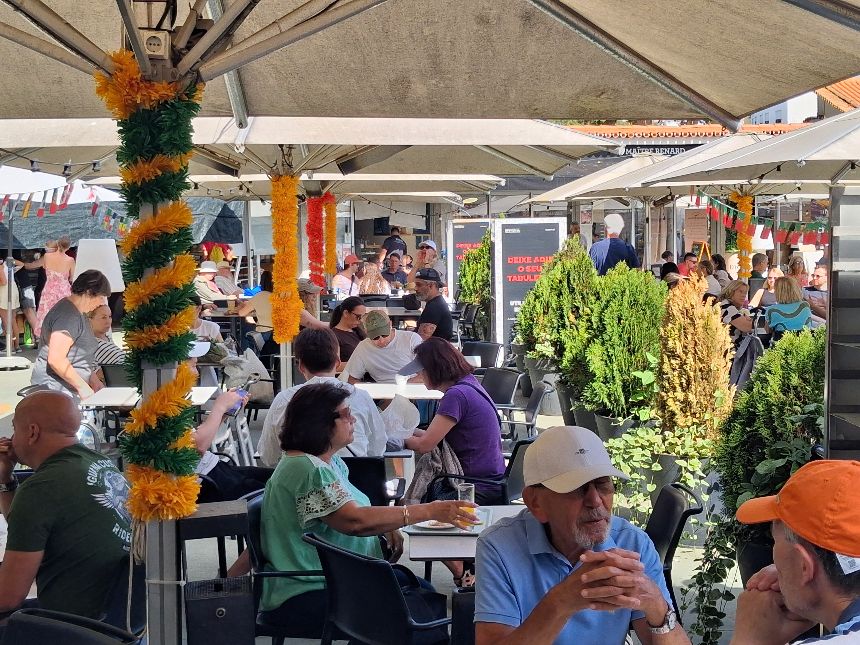

Glamour and Glory in a Former Fishing Village
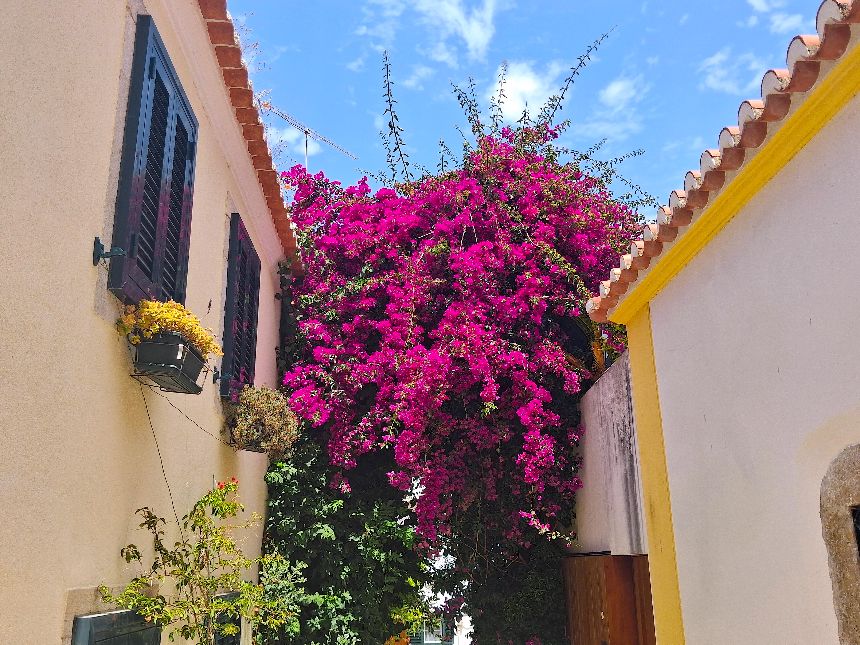
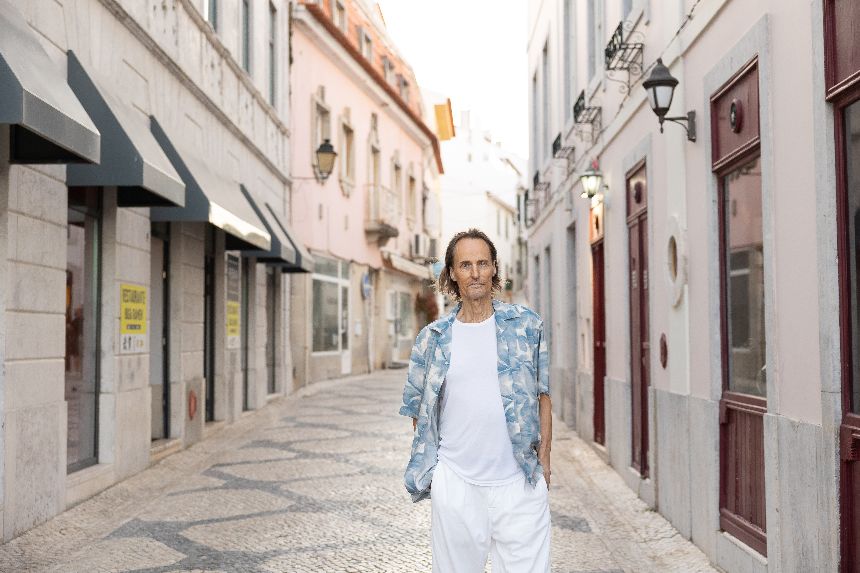
Cascais, once the summer residence of the Portuguese royal family and a meeting place for European high society, is home to numerous grand buildings. At the same time, the town — with around 35,000 residents — has retained its charm as a fishing village. Let yourself drift through the many lanes with their boutiques, cafés, and restaurants. Here and there you can even admire some street art.
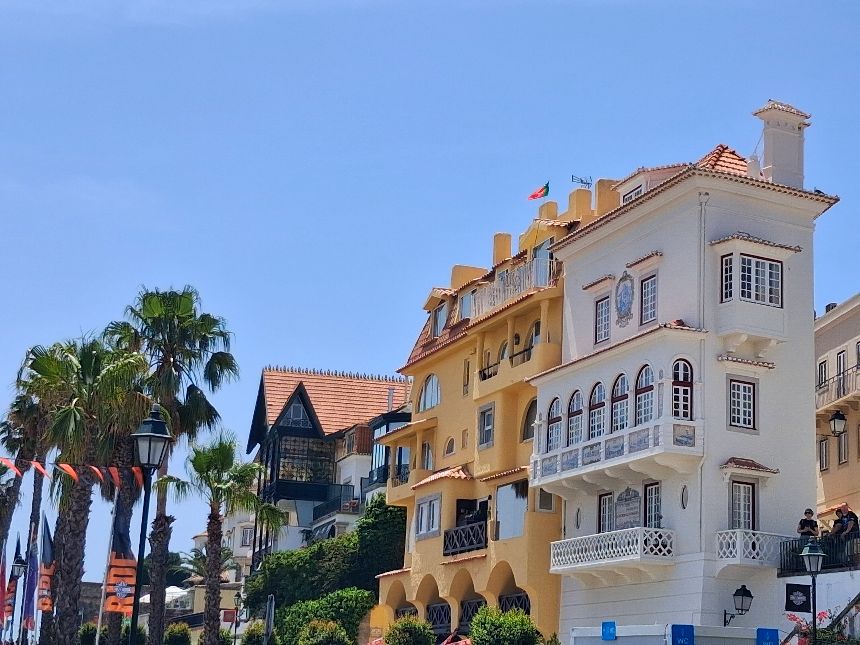
The Marina of Cascais — A Successful Mix of Old and New
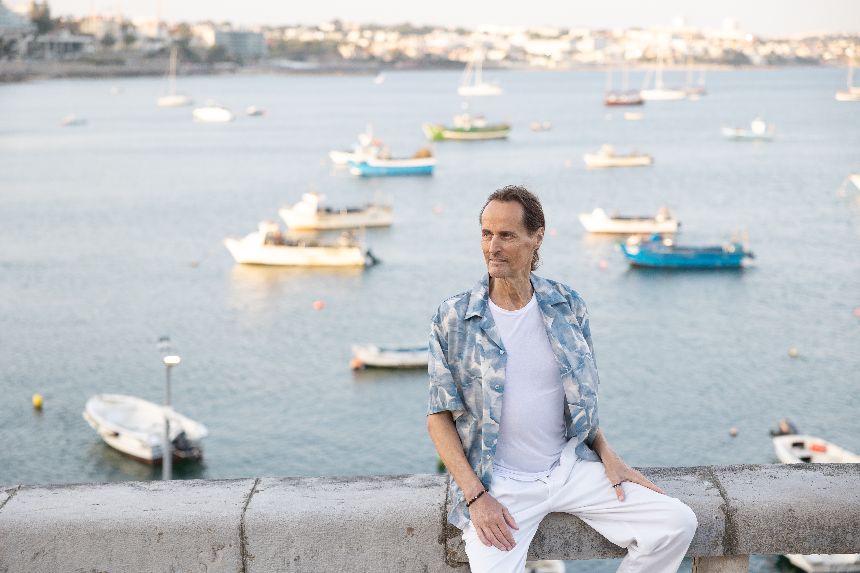
From the center of Cascais, it's just a few minutes' walk to the marina, well worth seeing, with numerous luxury boutiques and restaurants. Just above it, the 16th-century citadel towers. It once served as a summer residence for royal families (open to the public).
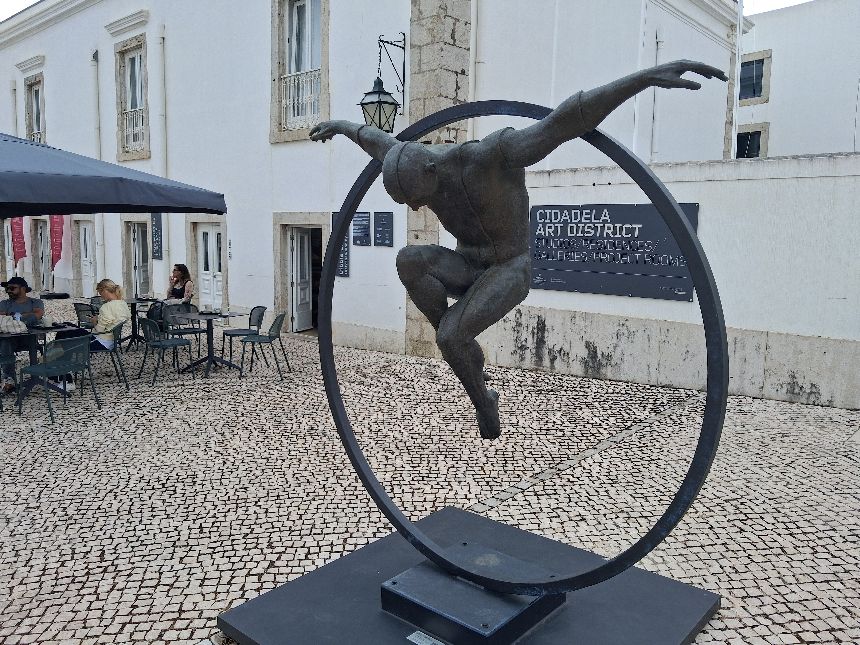
Within its mighty walls you will find a five-star hotel from the Pestana chain and an "Art District" with galleries and cafés. A visit is worthwhile, not least for the beautiful photo opportunities. A plaque next to the statue of King Carlos I commemorates the fact that Cascais was the first town in Portugal to have electricity (1878). Incidentally, the very first tennis tournament ever held also took place here.
Museums in Cascais
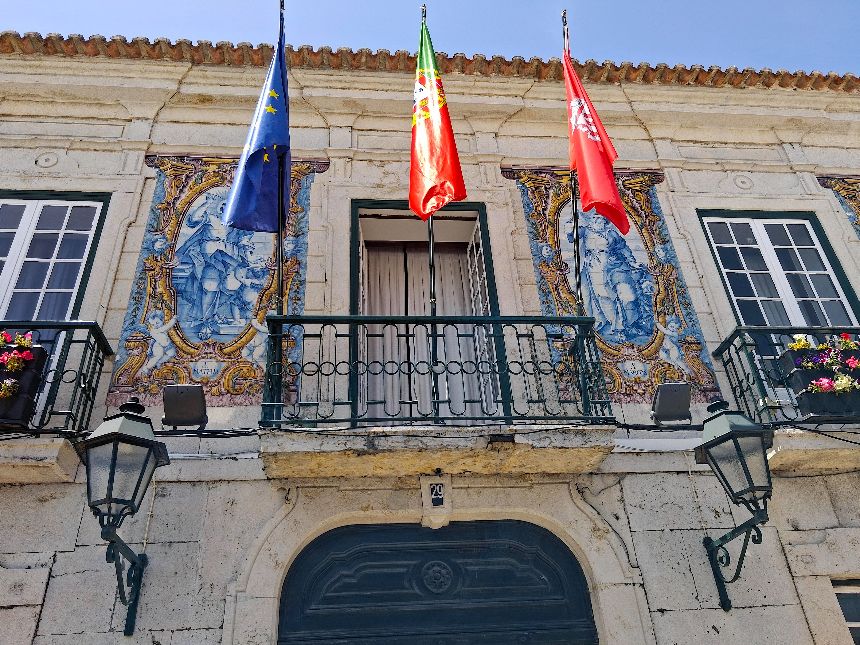
You can trace the history of Cascais and Estoril at the small "Museu da Vila," located on the ground floor of the town hall right in the center. Admission is free. Right next door is the stylish Turismo Cascais info center, which includes a "workspace" (for a fee) for digital nomads — Portugal has become very popular with them in recent years. Cascais has numerous other museums; take a look here.
Inês from Turismo Cascais told me a curious fact: in the prudish 1950s, police would occasionally measure the length of women's bathing suits. Those deemed too short were penalized — unbelievable. Naturally, all that changed fundamentally once the beautiful and wealthy crowd began flocking in.
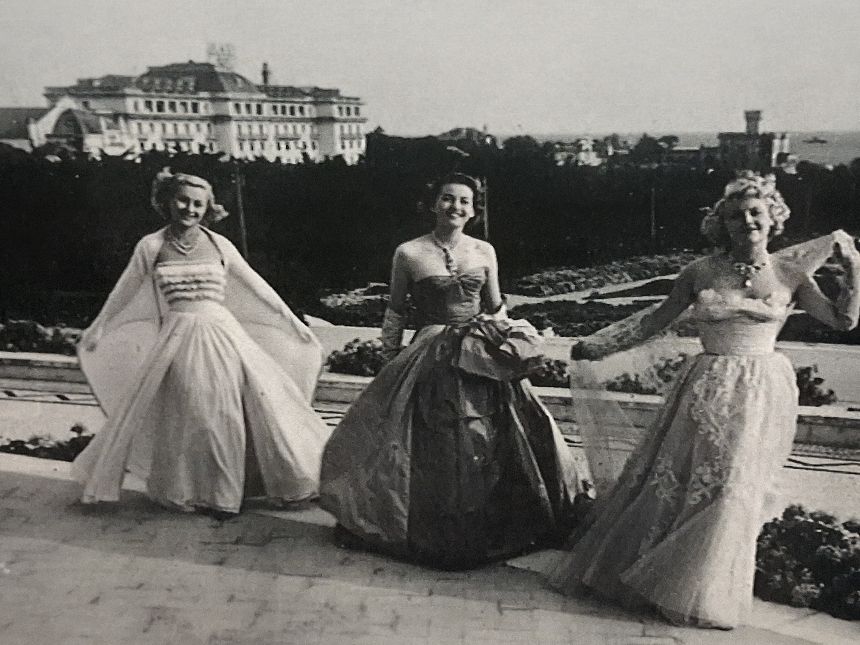
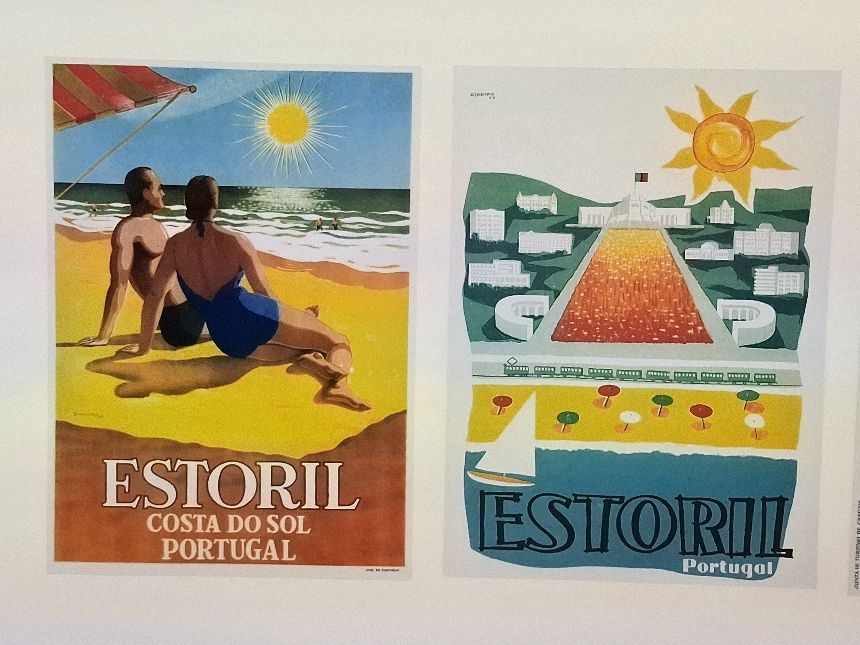
The Duke of Windsor, who had abdicated as King Edward VIII and was also known as the "Traitor King," sought refuge in Lisbon and Cascais after his espionage for Germany before World War II came to light. The things that have happened in Cascais!
Instagram Spot in Cascais
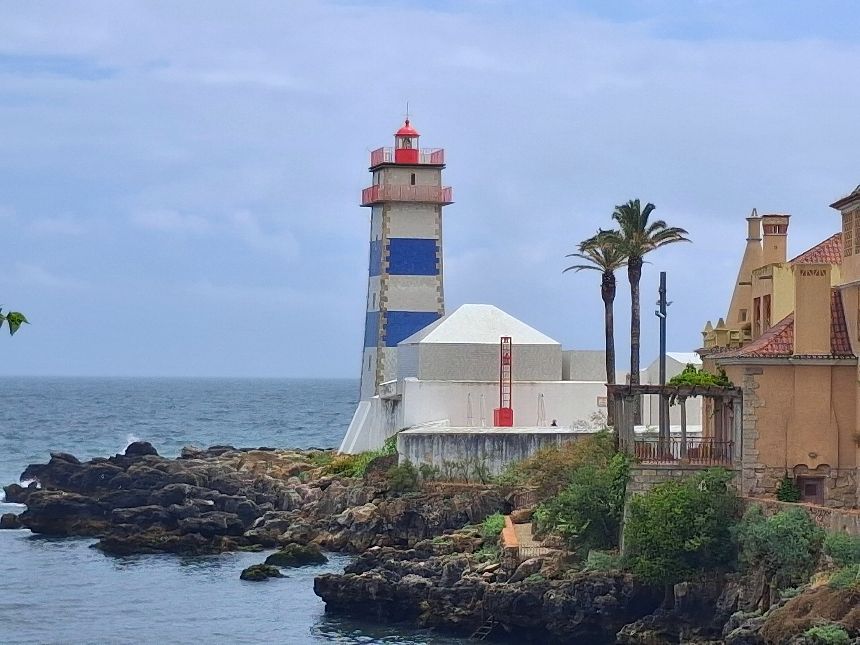
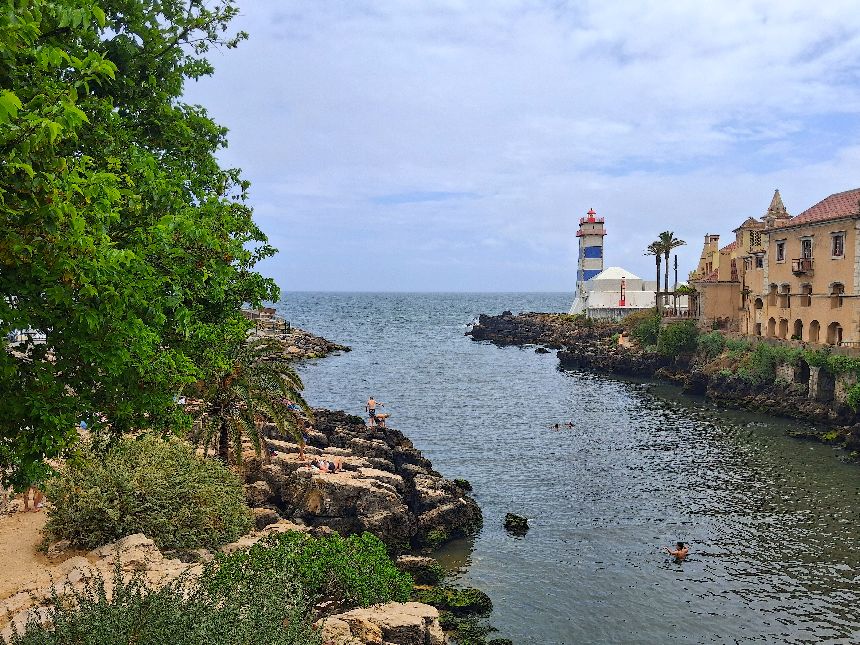
The most famous view in Cascais is of the lighthouse built in 1868, home to the Santa Marta Museum, just behind the marina. Tourists line up along the path to snap the best Instagram photo of this picturesque area. The museum showcases the history of Portugal's numerous lighthouses. A spiral staircase takes you up the 36-meter-high lighthouse for the best views.
Coast and Excursions
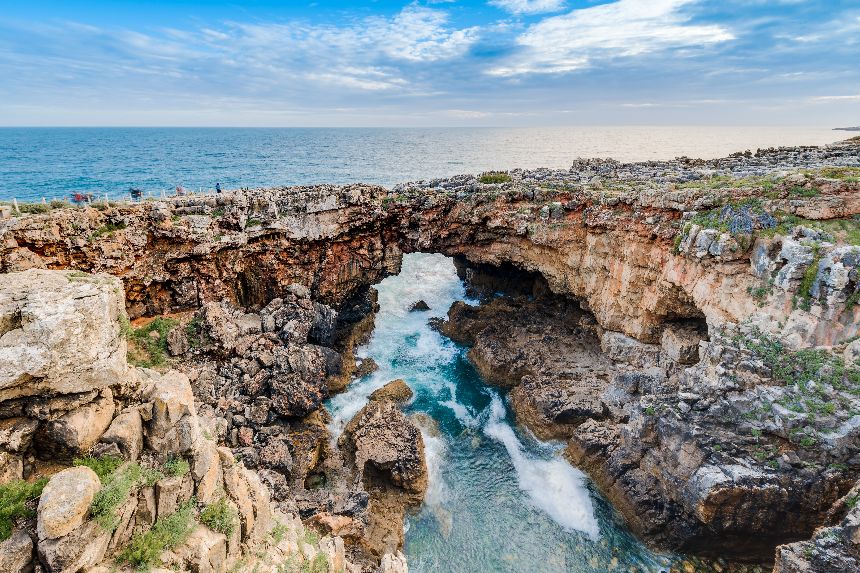
Just over two kilometers from the center lies Boca do Inferno ("Hell's Mouth"), a steep, sea-carved coastline. At high tide, the waves are forced into the vertical rock chimneys and shoot far up onto land — a truly breathtaking spectacle! Tip: Visit Boca do Inferno shortly before sunset.
With a rental car, it took me about 20 minutes to reach Cabo da Roca, the westernmost point of mainland Europe. Perched 140 meters above sea level is the lighthouse here, the second-oldest in Portugal. During my visit, a strong wind was blowing, making it tricky to take photos at times.
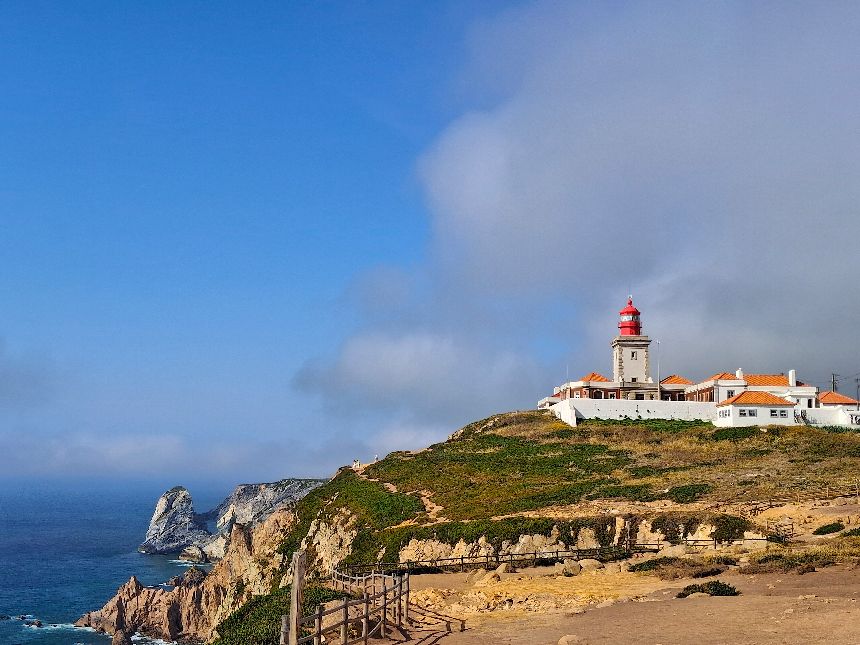
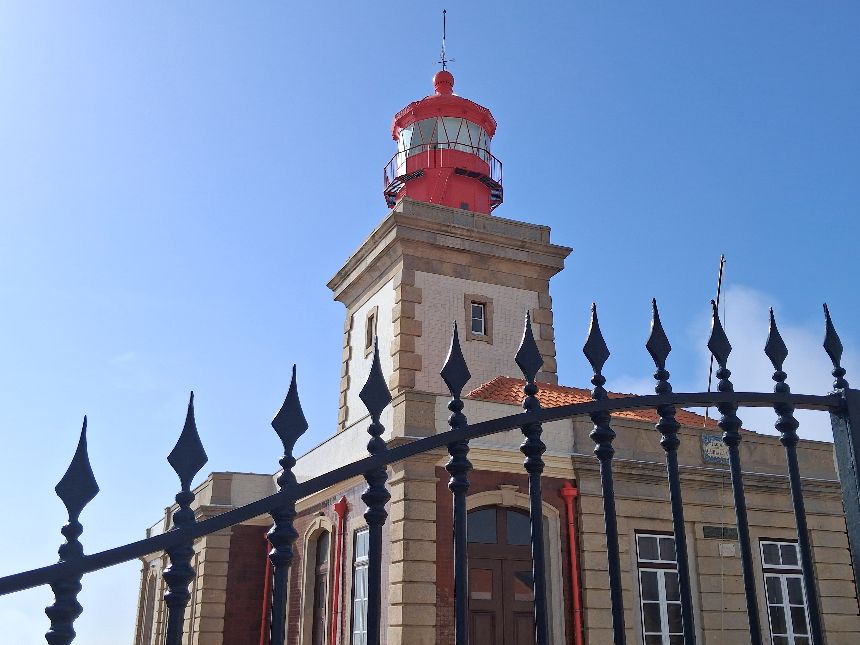
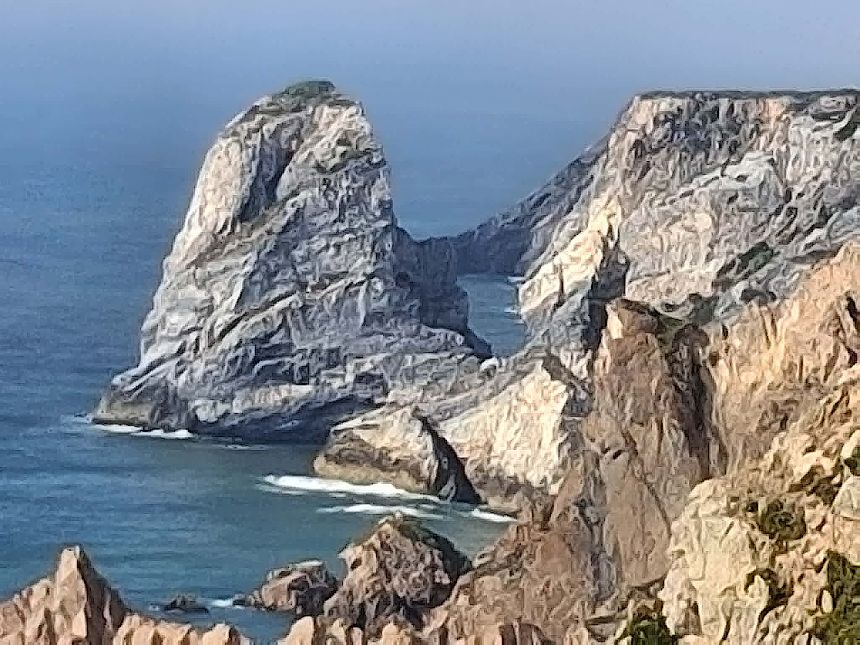
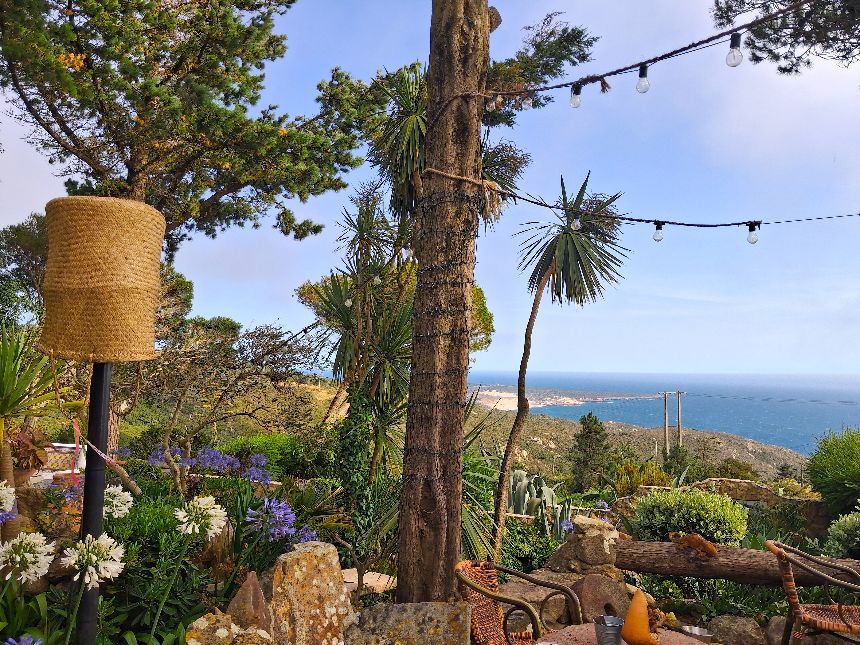
Still, I managed to capture the impressive cliffs and walked along the many paths to enjoy breathtaking views. Tip: A few kilometers from Cabo da Roca is the Moinho Dom Quixote windmill with a restaurant that has a picturesque terrace with a fantastic view all the way to the sea — don't miss it under any circumstances!
Eating and Drinking in Cascais
Cascais naturally offers restaurants of every kind. Most Portuguese restaurants focus on fish and seafood, while a few Italian and Asian restaurants offer variety. Here are a few personal tips:
The long-established Eduardo das Conquilhas in the Parede district is a paradise for fish and seafood lovers. Not suitable for vegetarians.
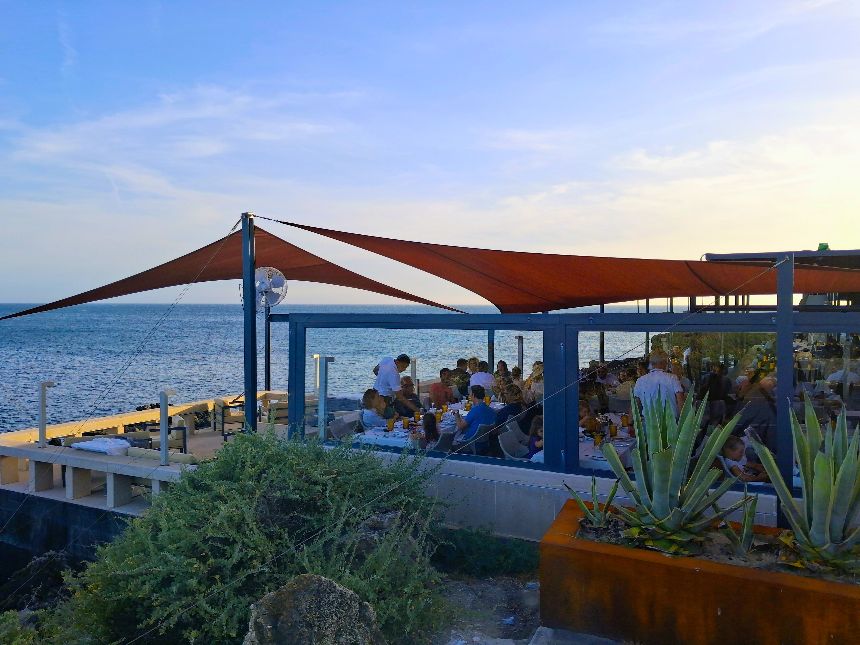
The same applies to the stylish Furnas do Guincho, right on the sea a little outside Cascais. Here I enjoyed a seafood curry and, above all, the view of the nearby Atlantic.
The small, very pleasant seafood bar Sr. Manuel on the lively Rua Afonso Sanches also has plenty from the sea. After all that seafood, I asked for a vegetarian dish here and was served a delicious vegetable risotto.
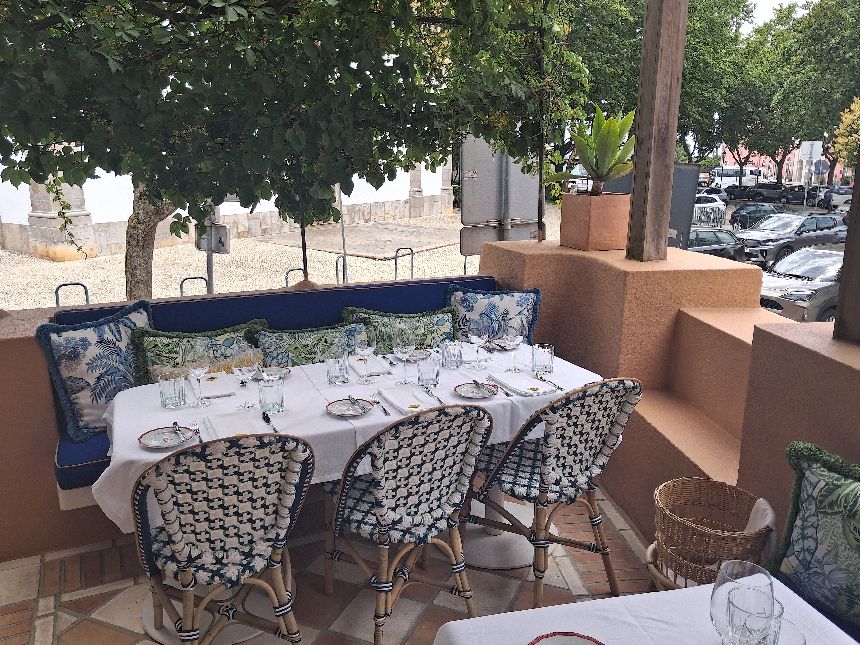
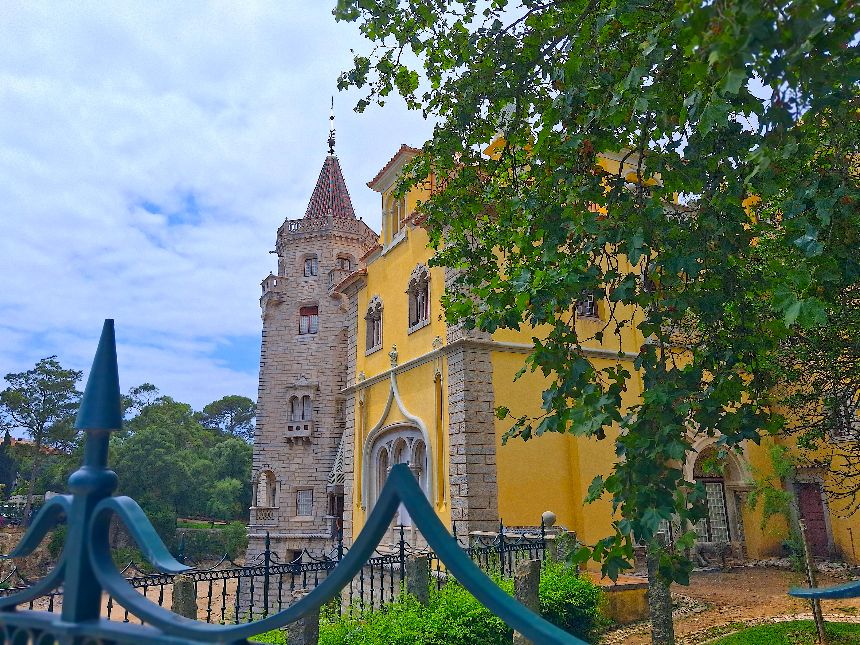
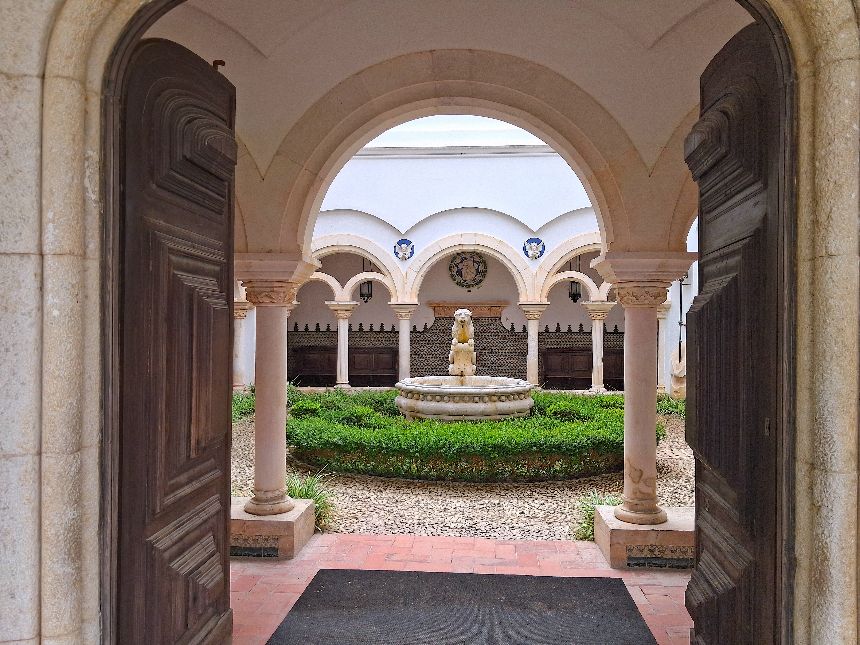
I really enjoyed Casa do Largo in the pretty Parque Marechal Carmona. A very inviting terrace, attentive service, and a delicious salad won me over. Happy chickens roam freely in the park. During a break on a bench, no fewer than three of them "visited" me — presumably hoping to snag something edible. The park is an oasis of calm with abundant plant life. It's also home to two museums: the Museu Condes de Castro Guimarães and the Museu Cascais. Both offer insight into local history and culture.
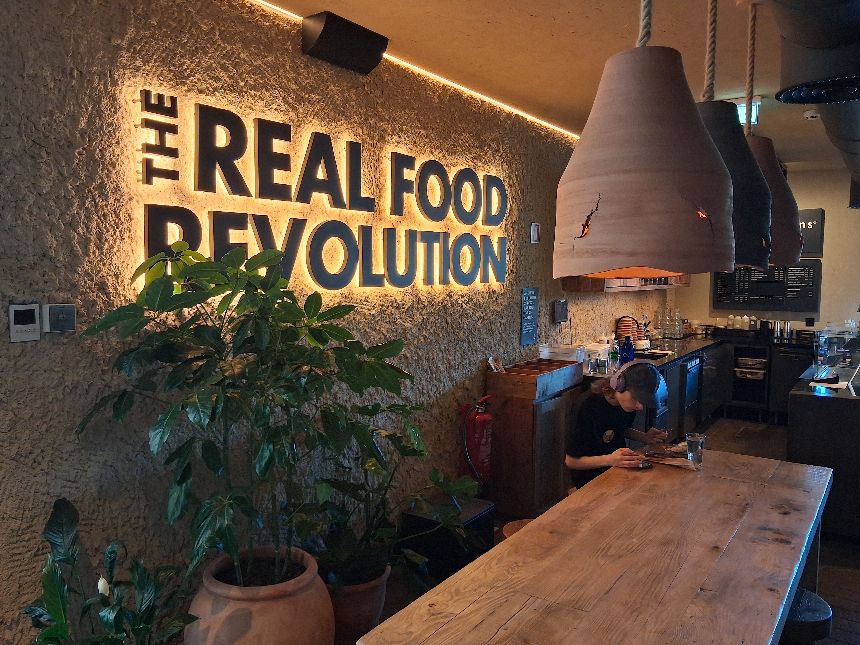
For vegetarians, vegans, and lovers of healthy cuisine, Honest Greens right by the train station in Cascais is recommended. Very hip, with a young staff, a lovely terrace, and delicious dishes made with fresh, mostly organic ingredients. Thumbs up!
Coffee Enjoyment in Cascais and Estoril
Cafés and ice cream parlors are especially plentiful in Cascais and remain popular well into the evening. My favorite was the small, trendy Euphoria Coffee & Brunch on the aforementioned Rua Afonso Sanches. Excellent espresso and a good selection of sandwiches, including vegetarian and vegan options!

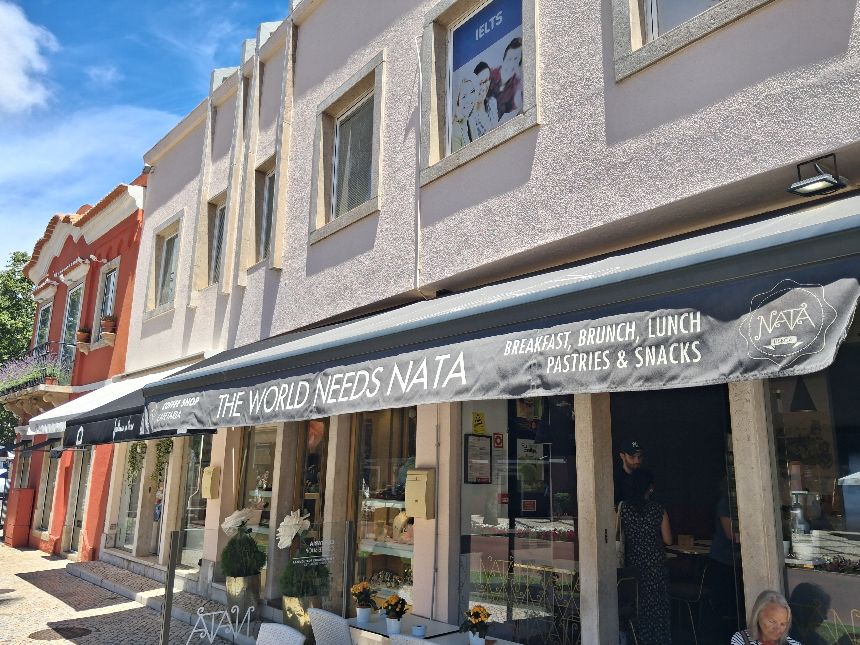
Nata in the center of Cascais offers the famous pastéis de nata in several varieties and has a charming little terrace. That said, the best pastéis are reportedly from the Manteigaria branches. I didn't get around to trying them, having already overindulged in sweets once again.
Of course, I also had to try the long-established Garrett in Estoril, especially since it's located directly across from the Vila Galé. Garrett has been around since 1934. The pancakes, available in all sorts of varieties, are simply outstanding here.
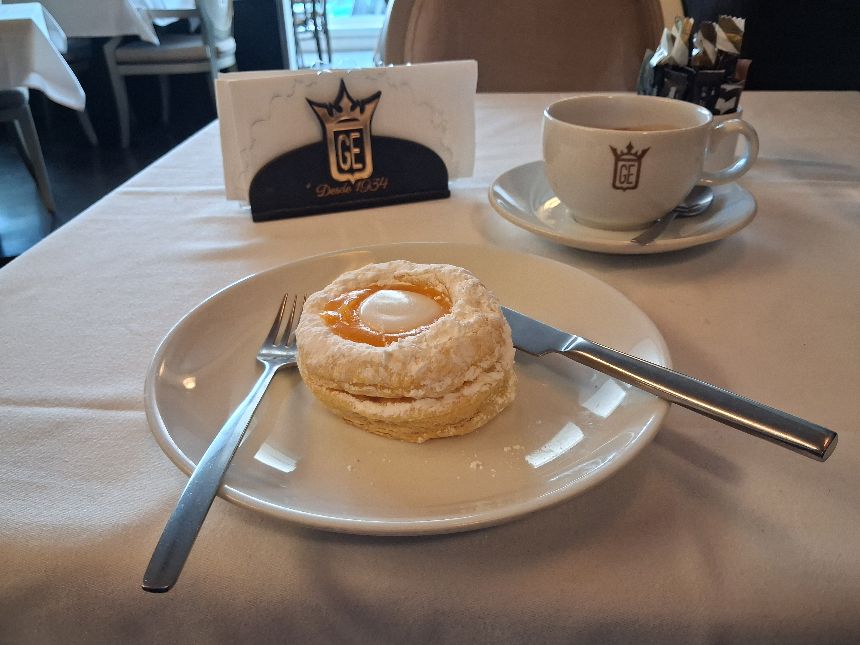
A tip for those with a sweet tooth: try the sinfully sweet “Maravilhas”, the house speciality.
Beaches In and Around Cascais
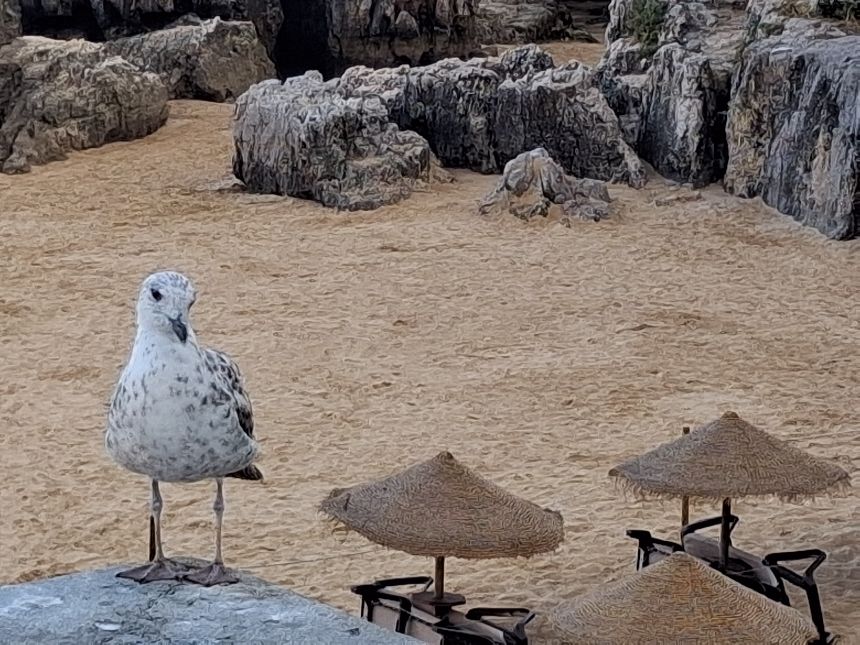
Right in the center of Cascais, you'll find the popular town beaches Praia da Conceição and Praia da Duquesa. With their golden sand and calm water, they are perfect for families. A particular highlight is the small Praia da Rainha, once the private beach of Queen Amélia. With its turquoise water, it's undeniably picturesque, though it's often crowded during peak season.
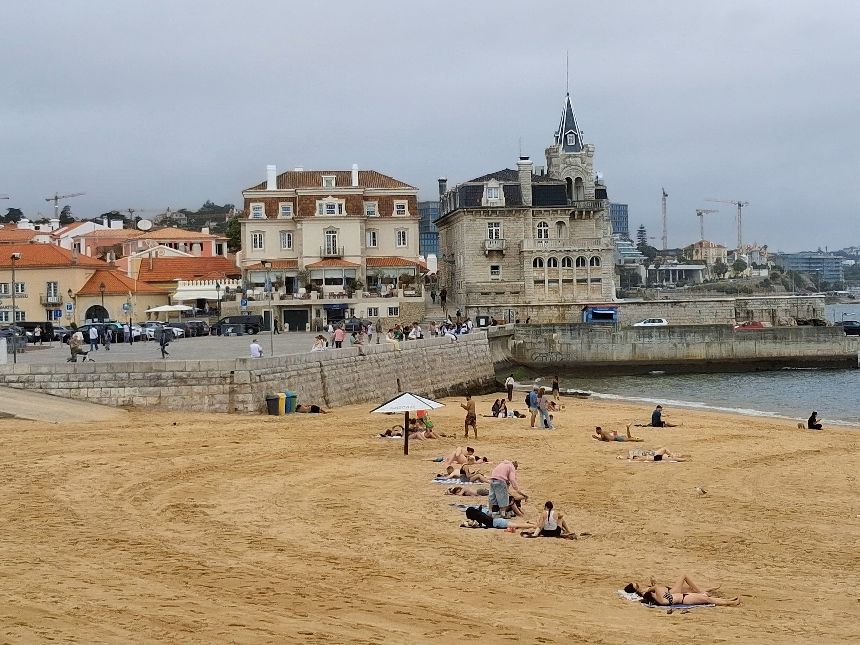
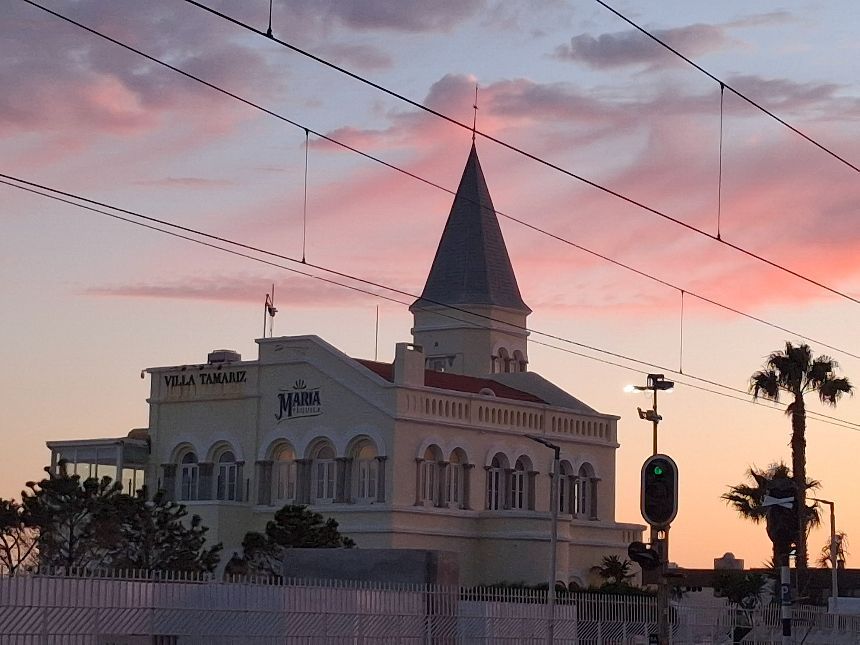
In Estoril, Praia do Tamariz — a long sandy beach in front of the Casino Estoril — is very popular. Here, too, the water is calm. Along the promenade you'll find several restaurants with lovely terraces. At low tide, natural pools form here — ideal for families.
Surfers and anyone who likes it a bit wilder will find their paradise at the broad Praia Guincho (about a 15-minute drive from Cascais), with its strong waves and winds. This beach, set in a dramatic landscape, isn't particularly suited for children, especially given the rather cool water temperatures. Regular buses run from Cascais to Praia Guincho.
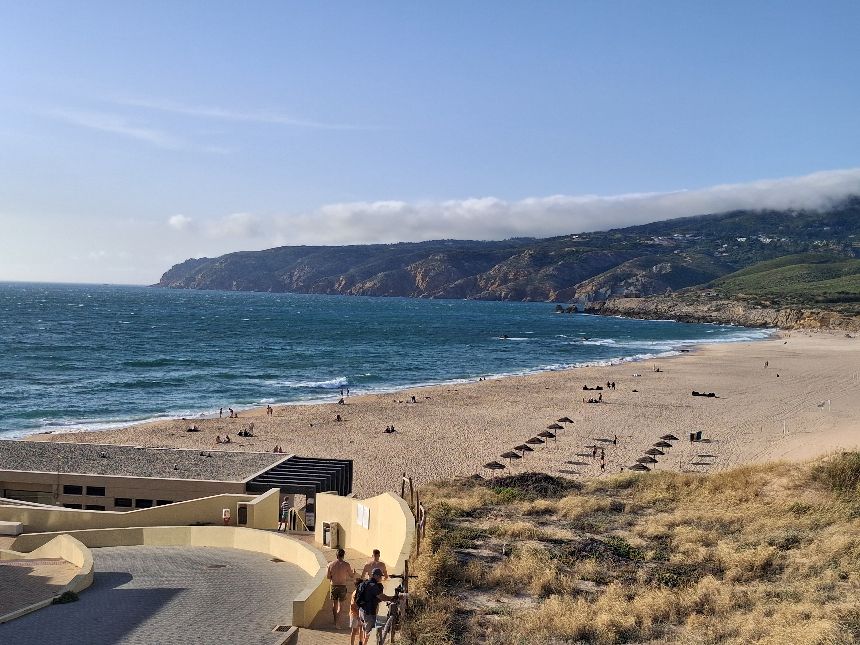
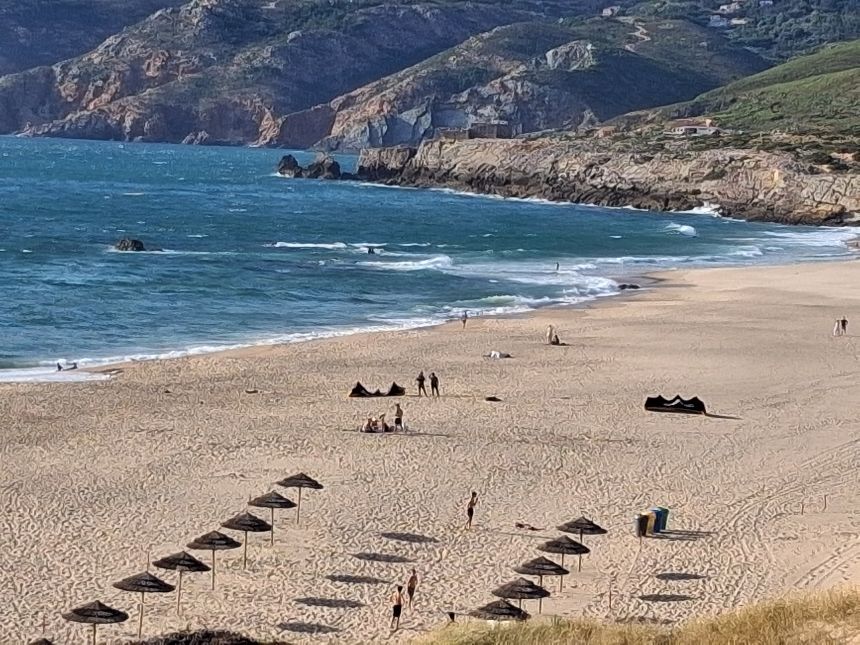
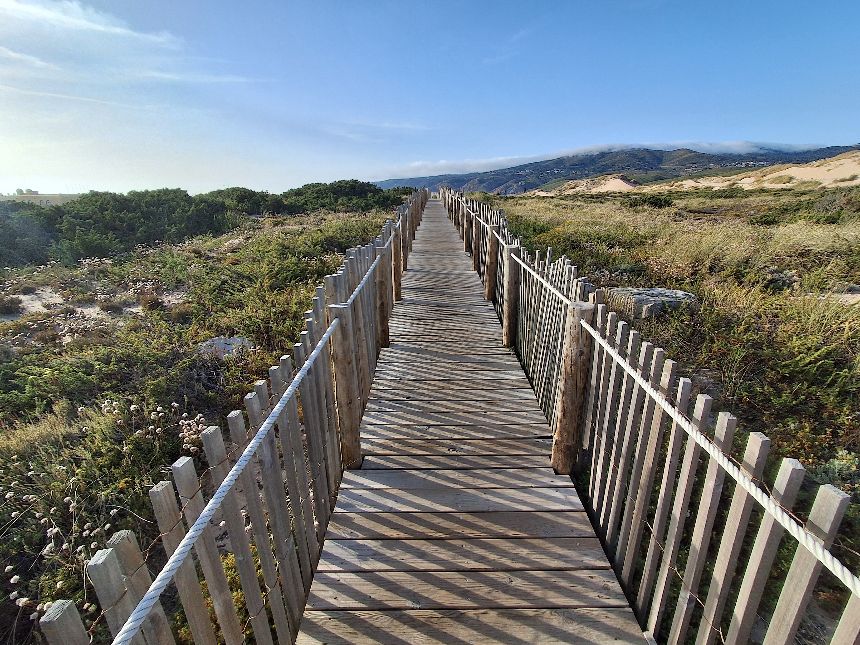
Tip: Take a comfortable hike along the nature trail through the dunes and enjoy the view of the hills of the Serra de Sintra.
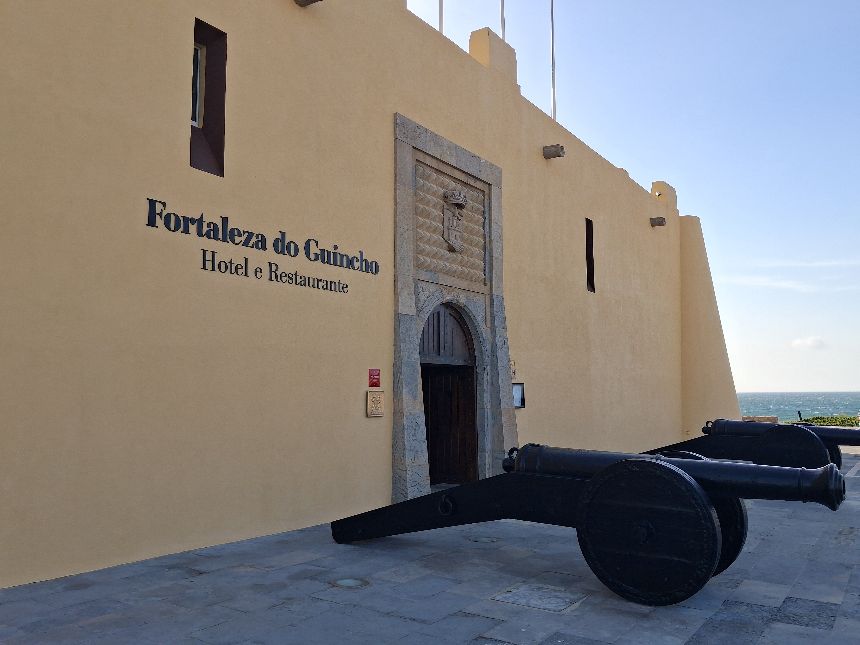
I also took a look inside the five-star Fortaleza do Guincho hotel, which was converted from a former fortress (one of many along the Lisbon coastline). From the outside, this luxury lodging doesn't look particularly inviting, but its charm unfolds inside, with a chic lobby and a restaurant right on the sea.
Tip from a Local
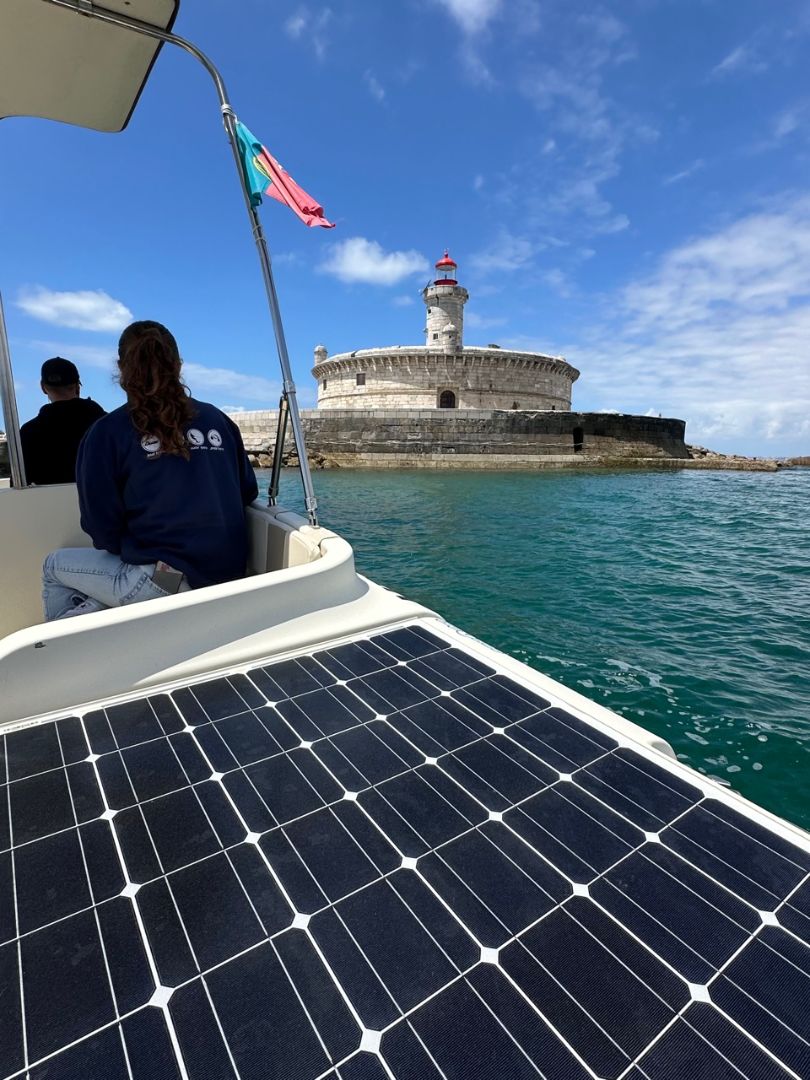
Inês Oliveira, Press & PR Manager at Turismo Cascais, recommends a newly relaunched boat tour from Cascais to the legendary Bugio Lighthouse, where you can also visit one of the many forts along the coast. This is where the mighty Tagus River flows into the Atlantic — well worth seeing! Look here for more information.
Where to Stay in Cascais and Surroundings
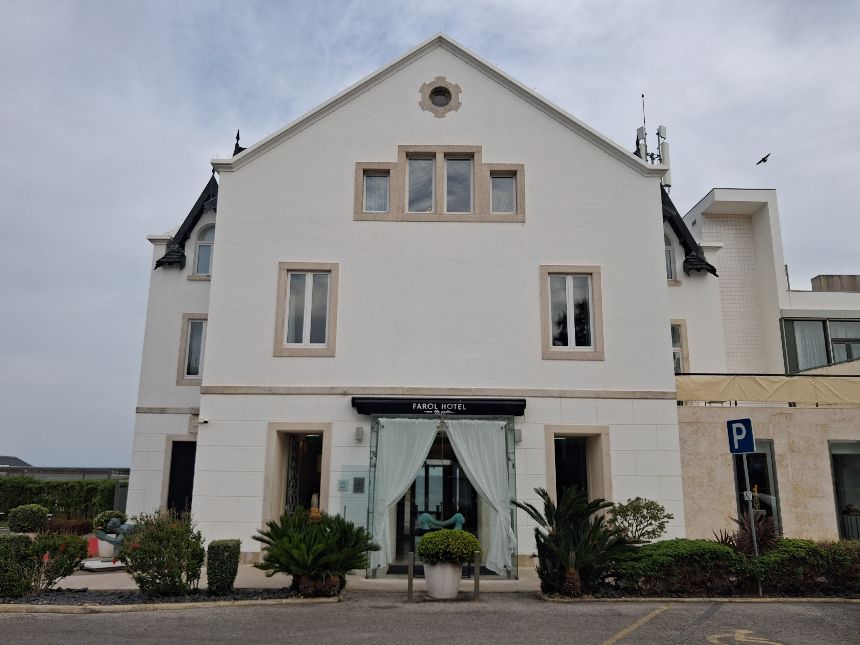
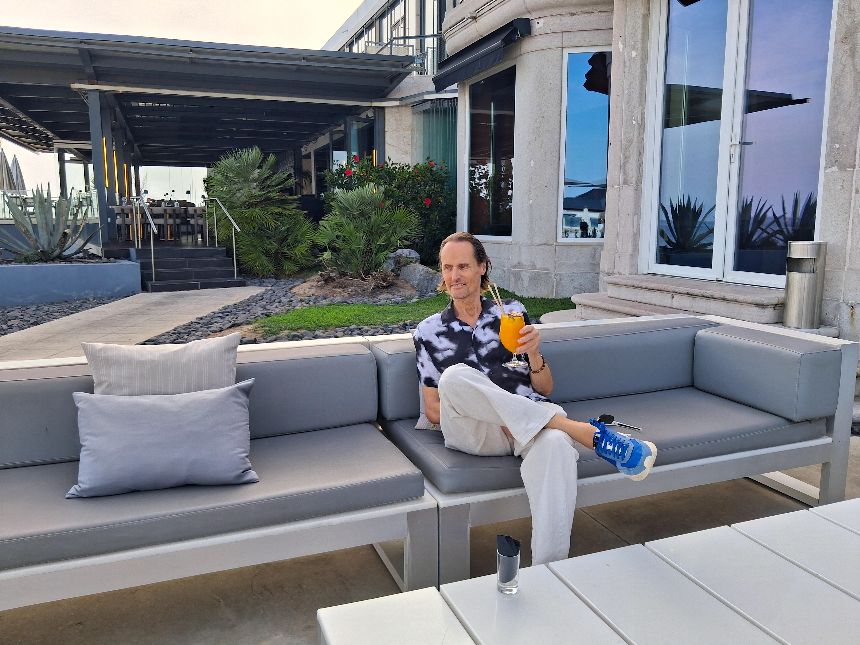
I have already mentioned a few hotels, such as the Vila Galé Estoril. If you're looking for something special, the Farol, a bit outside Cascais, is a great choice. Located right on the sea, this five-star boutique hotel is filled with bold, modern art that suited my taste perfectly.

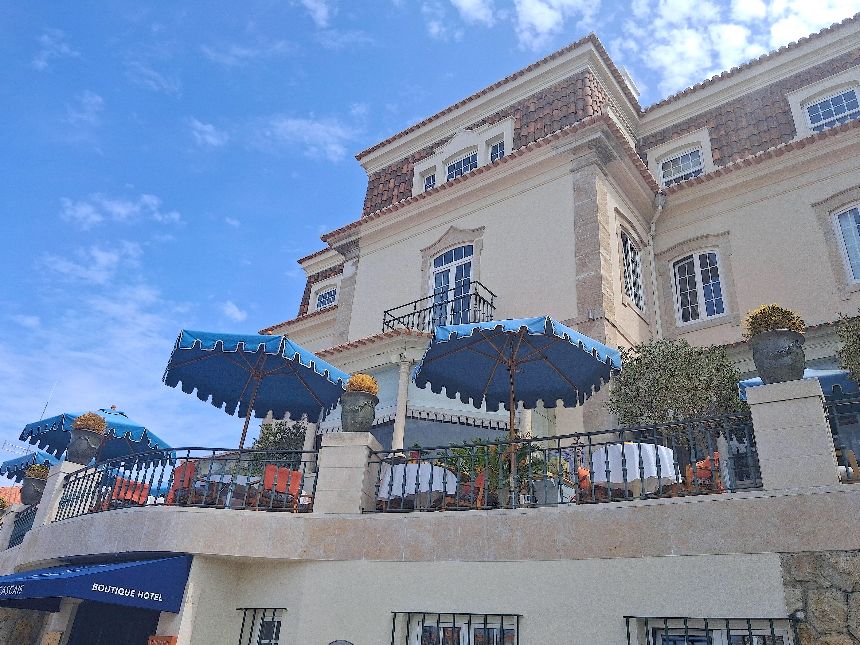
For anyone wanting to stay (almost) right in the heart of the action, the small Villa Cascais Boutique Hotel, housed in an old villa, is a great choice.
Getting to Cascais
The nearest airport is Lisbon, about 36 km from Cascais. By metro and train, you can reach Cascais in around 90 minutes. A taxi is considerably faster, but also quite a bit more expensive. On my return trip, I paid €45. The trip from Lisbon Airport is reportedly significantly more expensive.
My Conclusion
Eleven years after my first visit, Cascais captivated me all over again. Even though—or perhaps because—the town has kept its fishing-village charm despite all the glamour, this mix of royal history, spy nostalgia, and relaxed coastal living is what makes the region so special.
For solo travelers, Cascais is ideal: manageable, safe, with short distances and plenty of cultural and culinary touchpoints to strike up a conversation. Couples will find romantic spots like Praia da Rainha or a sunset at Boca de Inferno, along with stylish hotels like the Farol. Families are well catered for too, with the town beaches, the park with its free-roaming chickens, and the short distances making the region easy to travel with kids.
Whether you're following in James Bond's footsteps, eating your way through the market hall, or simply strolling along the sea, Cascais and Estoril are worth it for every type of traveler. I will definitely be back.
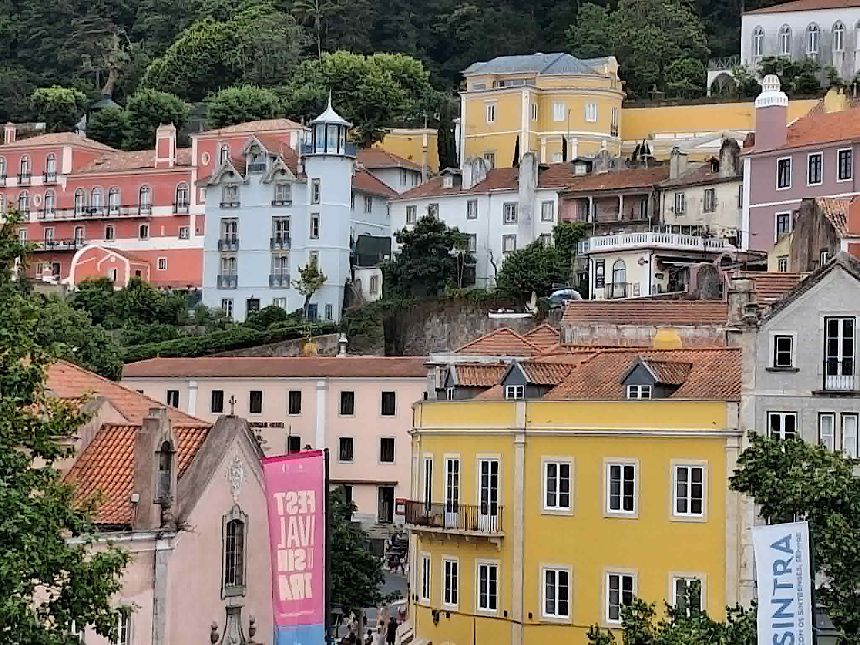
Another highlight was my day trip to Sintra, one of the most appealing places in Portugal with spectacular palaces and gardens. I will cover that excursion in a separate article.
Cascais pairs wonderfully with a stay in Lisbon. Look at my tips for the Alfama, the old town of Portugal's capital.
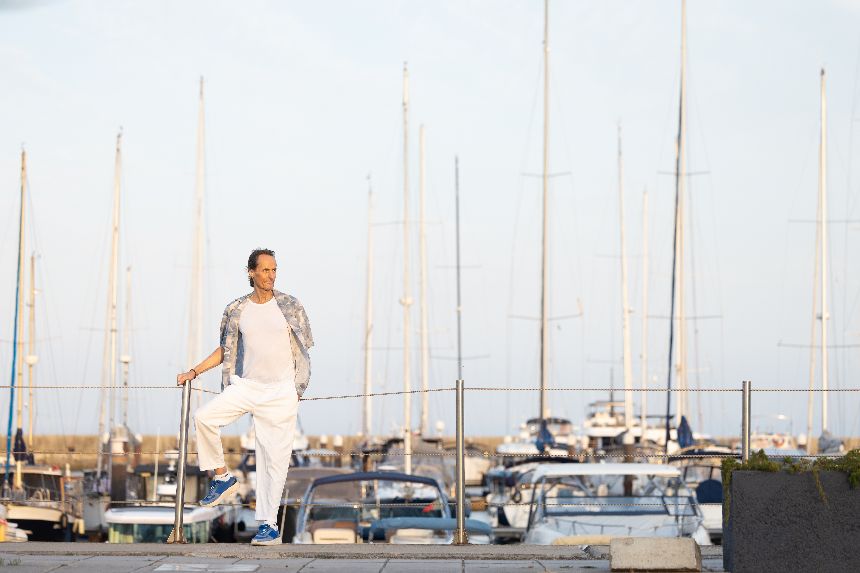
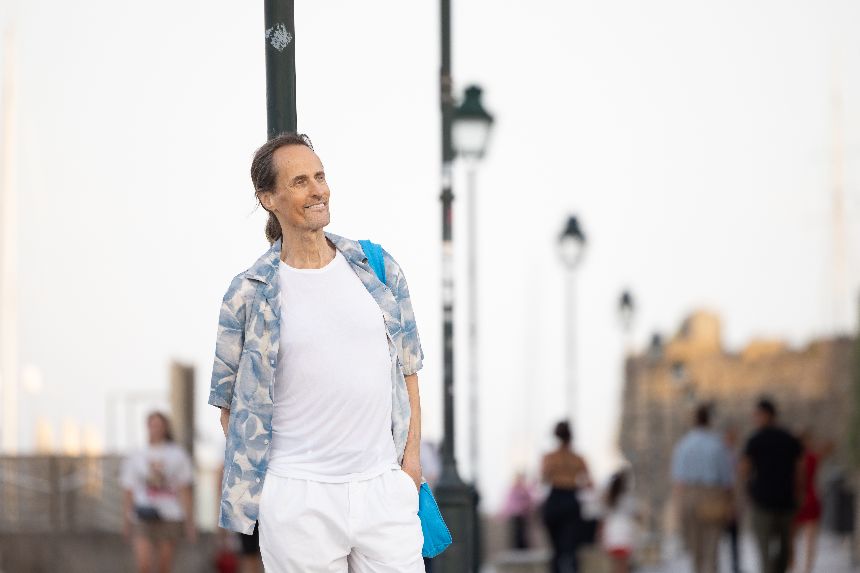
The photos of myself were taken by Gonçalo Barriga, a very professional photographer from Lisbon. I had worked with him in 2015, and it was a pleasure to do another shoot this time.
*My trip has been supported by Turismo Cascais. This has in no way influenced my evaluations.*
PROMOTION