The Art of Mindful Phone Use: Reclaiming Presence in a Connected World
How I learned to love and hate my phone at the same time - and why setting digital boundaries might save your sanity
The Art of Mindful Phone Use: Reclaiming Presence in a Connected World
We all have a complicated relationship with our smartphones. These little devices have become our best friends and worst enemies, our lifelines and our distractions. After a particularly jarring coffee shop experience, I've been reflecting on how mobile phones are reshaping our social fabric - and not always for the better.
When Coffee Shops Become Call Centers
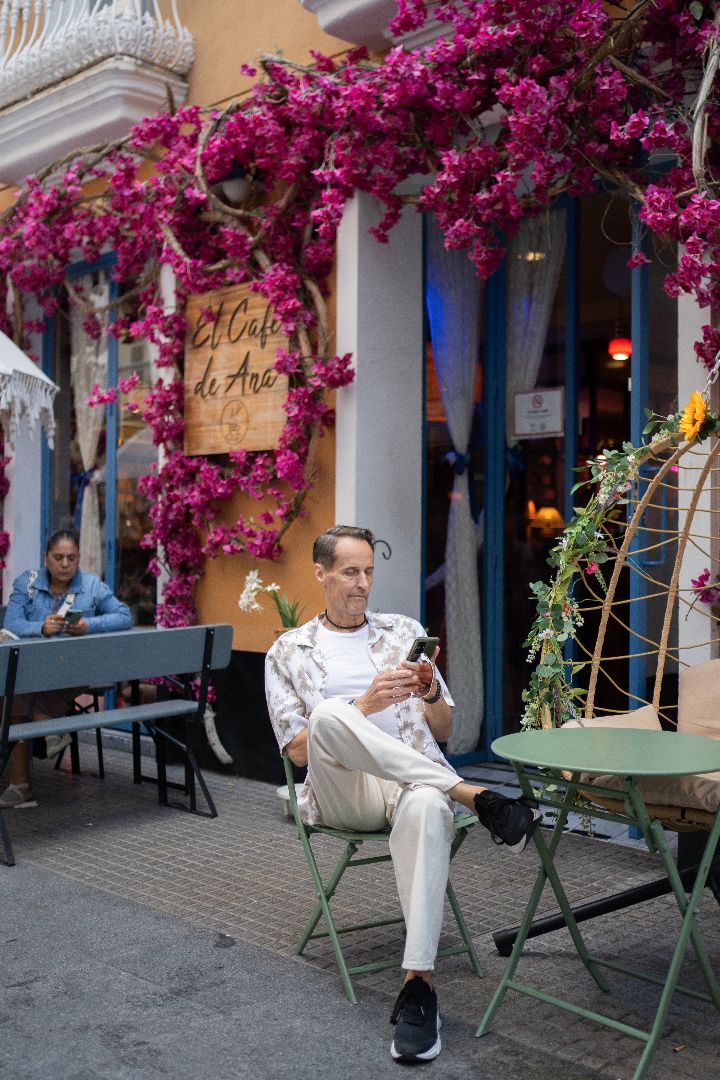
Picture this: It's a beautiful sunny day, perfect for enjoying a quiet double espresso "al fresco" after my gym workout. I settle into my favorite coffee shop's outdoor seating, looking forward to some peaceful moments. Then reality hits.
An older gentleman sits nearby, pulls out his phone, and begins shouting into what we Germans call a "handy." Within five minutes, I know intimate details about his business dealings. I relocate next to a couple, hoping for tranquility.
But it gets worse.

"My name is Vladimir, like Putin!" the man bellows into his phone. When that call ends, Vladimir launches into a photo slideshow with a companion who responds with twenty-five enthusiastic "WOWs" at maximum volume. Then comes another call, and the entire neighborhood becomes unwilling participants in his business negotiations.
I quickly check my emails and retreat home to find the silence I was craving.
The Digital Wellness Dilemma: Setting Personal Boundaries
This experience made me realize something crucial: many people have lost the art of mindful technology use. As a content creator, I need - of course - my smartphone to upload content on Instagram and stay connected with my community. While I'm active on Instagram and appreciate staying connected, I've established firm digital boundaries that many find surprising:
• No phones on the street - I watch where I'm walking, not my screen
• No phones during meals - food and conversation deserve full attention
• No phones at the gym - yes, I've actually seen someone doing dumbbell exercises while talking on their phone
• Bedroom is a phone-free zone - I either sleep or engage in activities that don't require digital devices
These aren't radical concepts, yet they seem revolutionary in our hyper-connected world.

The Dangerous Rise of Distracted Living
We've all encountered the walking zombies - people so absorbed in their screens they bump into others or walk into traffic. The statistics are alarming: distracted walking injuries have increased significantly, and don't get me started on texting while driving.
I have a friend who used to call me while cycling, speaking in breathless gasps as she navigated traffic. Another friend always answers his phone, regardless of the situation. During a restaurant dinner, his loud "¡Sí!" echoed across the dining room before he stepped outside to continue his conversation. His phone stays within arm's reach even during sleep, because apparently his boss might need to discuss "urgent" matters at midnight.
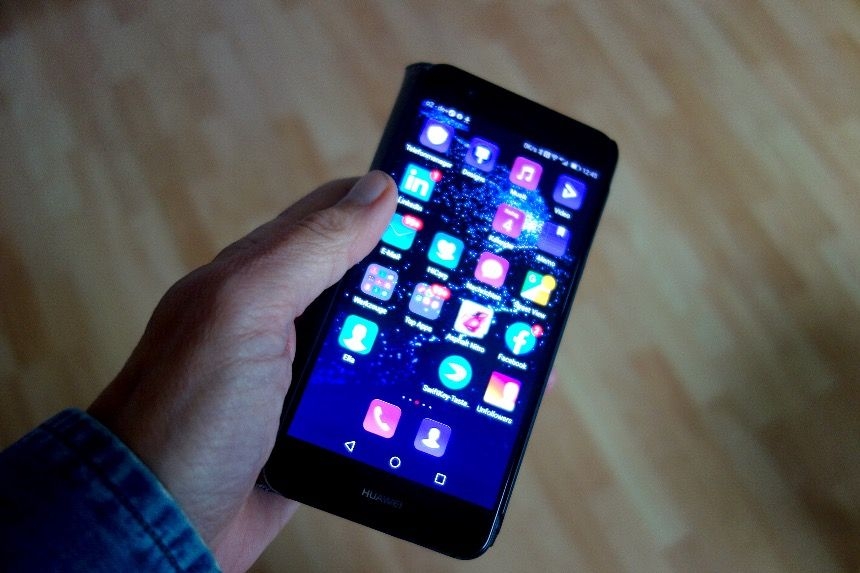
Question: When did we decide that being constantly available became more important than being present?
Cultural Perspectives on Phone Etiquette
Different cultures handle mobile phone etiquette in fascinating ways. Japan serves as an excellent role model - train commuters are asked to switch phones to "manner mode" (silent or vibrate). Social harmony is so valued that if someone's phone rings in public, they quickly silence it and look genuinely embarrassed.
Countries like Italy and Spain embrace the opposite approach. Public phone conversations about personal matters are commonplace, and volume control seems optional. Unfortunately, this trend is spreading to Germany and beyond.
The Sustainability and Mindfulness Connection
Beyond social etiquette lies another concern: environmental responsibility. Why do people feel compelled to upgrade their phones every two years? How many functions do most users actually know and utilize?
I don't care about having the latest model. My phone serves its purpose, and replacing it unnecessarily contributes to electronic waste and environmental harm.
This connects directly to mindfulness - being intentional about our technology consumption, just as we might be mindful about our food or spending habits.
5 Simple Rules for Mindful Phone Use
Ready to reclaim control over your digital life? Try these strategies:
1. Create phone-free zones - bedrooms, dining areas, or specific times of day
2. Practice the "phone stack" - when dining with others, everyone places phones in the center of the table
3. Use "manner mode" in public spaces - respect others' right to peace
4. Implement the 3-second rule - pause before answering calls to consider if it's truly urgent
5. Schedule "digital sabbaths" - designate specific times for complete disconnection
The Bottom Line: Technology Should Serve Us, Not Rule Us
Smartphones are incredible tools that can enhance our lives, connect us with loved ones, and provide instant access to information. However, they become problematic when we lose conscious control over how and when we use them.
The goal isn't to eliminate technology - it's to use it intentionally.
What's your biggest smartphone pet peeve? Do you have digital boundaries that work for you? Share your thoughts and digital detox strategies in the comments below.
For more thoughts on mindfulness and how it can improve our daily lives, check out my article on why mindfulness can improve our health.